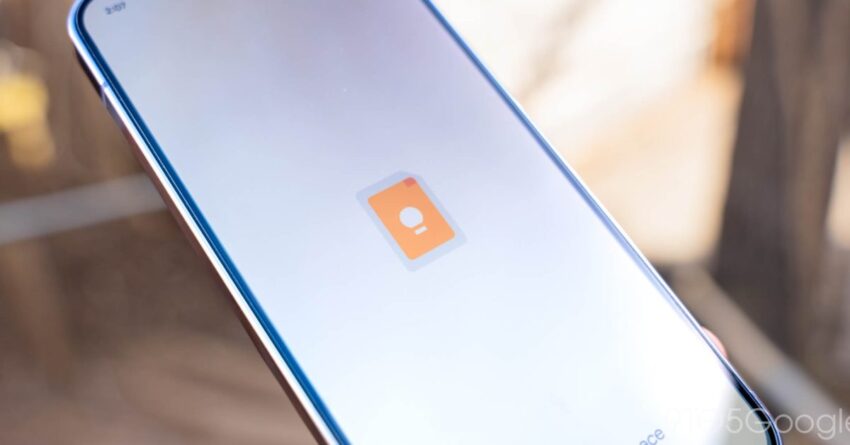
google keep for wear os can no Google Keep for Wear OS has undergone significant changes following the migration of its Tasks feature, resulting in the loss of the ability to set reminders.
google keep for wear os can no
Overview of Google Keep and Its Features
Google Keep is a note-taking service developed by Google, designed to help users capture and organize their thoughts, ideas, and tasks. Launched in 2013, it has evolved into a versatile tool that integrates seamlessly with other Google services, such as Google Drive and Google Docs. Users can create notes, lists, and reminders, which can be accessed across multiple devices, including Android, iOS, and web platforms.
One of the standout features of Google Keep is its ability to set reminders. This functionality allows users to receive notifications based on time or location, making it easier to remember important tasks or events. However, recent changes have raised concerns, particularly among Wear OS users, who rely on the platform for quick access to their notes and reminders.
The Migration of Tasks
In late 2022, Google announced a migration of its Tasks feature from Google Keep to Google Tasks. This transition aimed to consolidate task management within the Google ecosystem, providing users with a more streamlined experience. While the migration process was relatively straightforward for users on Android, iOS, and the web, it came with certain drawbacks.
One significant downside was the loss of location-based reminders, which had been a valuable feature for many users. This change was particularly noticeable for those who relied on Google Keep to manage their daily tasks and reminders effectively. However, the implications of this migration were even more pronounced for Wear OS users.
Impact on Wear OS Users
Wear OS, Google’s smartwatch operating system, is designed to provide users with quick access to notifications, apps, and information directly from their wrists. For many users, Google Keep has been an essential app on Wear OS, allowing them to create and manage reminders on the go. However, with the recent migration, Google Keep for Wear OS has lost the ability to create reminders entirely.
Loss of Functionality
The inability to set reminders on Google Keep for Wear OS represents a significant reduction in functionality for users who depend on their smartwatches for task management. Previously, users could quickly create reminders using voice commands or by tapping on their devices. This feature was particularly useful for those who needed to manage their tasks while multitasking or on the move.
Now, Wear OS users are left with limited options for managing their reminders. While they can still view existing notes and reminders created on other platforms, the lack of the ability to create new reminders directly from their smartwatches is a notable setback. This change has sparked frustration among users who valued the convenience that Google Keep provided.
Stakeholder Reactions
The response from the user community has been mixed, with many expressing disappointment over the loss of functionality. Users have taken to forums and social media platforms to voice their concerns, highlighting the importance of reminders in their daily lives. Some have suggested that the change undermines the overall utility of Wear OS, particularly for those who rely on their smartwatches for productivity.
In contrast, Google has not yet issued a formal statement addressing the concerns raised by users. The company has historically focused on enhancing the integration between its various services, and it remains to be seen whether they will address the limitations imposed by the recent migration.
Alternative Solutions
In light of the changes to Google Keep for Wear OS, users may need to explore alternative solutions for managing their reminders. Several other task management apps are available that offer similar functionality, including:
- Todoist: A popular task management app that allows users to create tasks, set deadlines, and receive reminders. Todoist is available on multiple platforms, including Wear OS, making it a viable alternative for users seeking a comprehensive task management solution.
- Microsoft To Do: This app integrates well with Microsoft services and offers features such as task creation, reminders, and collaboration. It is also compatible with Wear OS, providing users with a robust alternative.
- Any.do: Known for its clean interface and user-friendly design, Any.do allows users to create tasks and set reminders. It also offers a calendar view, making it easier to manage tasks and deadlines.
While these alternatives may not offer the same integration with Google services as Google Keep, they can provide users with the functionality they need to manage their tasks effectively.
Future Implications
The migration of Tasks from Google Keep to Google Tasks raises important questions about the future of Google’s productivity tools. As the company continues to refine its services, users may wonder whether further changes are on the horizon. The loss of reminder functionality on Wear OS could signal a shift in how Google prioritizes its applications and user experience.
Additionally, the feedback from users regarding this change may influence future updates and developments. Google has a history of responding to user feedback, and it is possible that they may consider reintroducing reminder functionality to Google Keep for Wear OS if there is sufficient demand.
Conclusion
The recent migration of Tasks from Google Keep to Google Tasks has resulted in significant changes for users, particularly those on Wear OS. The loss of the ability to create reminders directly from smartwatches has left many users feeling frustrated and seeking alternative solutions. As Google continues to evolve its productivity tools, the implications of these changes will be closely monitored by users and industry observers alike.
While alternatives exist, the integration and convenience that Google Keep once provided for Wear OS users may be difficult to replicate. Moving forward, it will be essential for Google to consider user feedback and adapt its services to meet the needs of its diverse user base.
Source: Original report
Was this helpful?
Last Modified: January 24, 2026 at 8:48 am
0 views