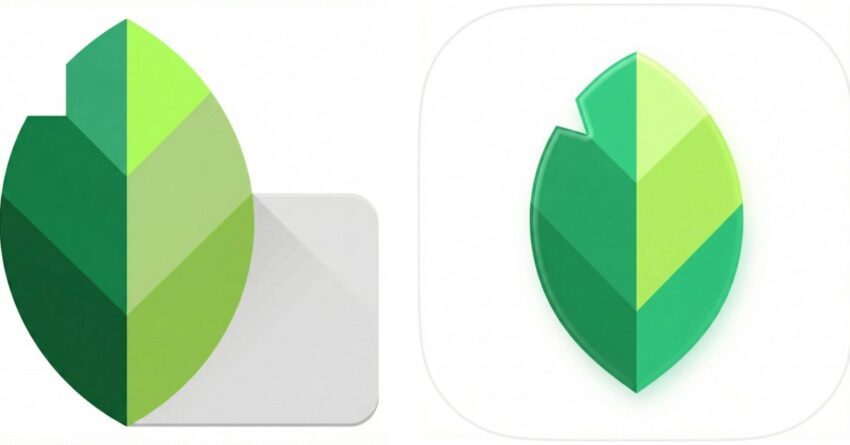
google is bringing the big snapseed redesign Google has officially announced the arrival of a significant redesign for its popular photo-editing application, Snapseed, on Android devices.
google is bringing the big snapseed redesign
Overview of Snapseed’s Evolution
Snapseed, initially launched in 2011, has undergone numerous updates and enhancements over the years, establishing itself as a leading application for mobile photography enthusiasts. Acquired by Google in 2012, the app has consistently evolved, integrating advanced editing tools and features that cater to both amateur and professional photographers. The recent announcement regarding the redesign for Android follows the release of Snapseed 3.0 for iOS in June, which introduced a host of new features and a refreshed user interface.
Key Features of the Snapseed Redesign
New User Interface
One of the most notable changes in the Snapseed redesign is its user interface. The updated design aims to provide a more intuitive and streamlined experience for users. The new layout emphasizes ease of navigation, allowing users to access tools and features more efficiently. The redesign includes a cleaner aesthetic, with a focus on minimalism that enhances the overall user experience.
Enhanced Editing Tools
Alongside the visual overhaul, Snapseed 3.0 introduces several enhanced editing tools that expand the creative possibilities for users. These tools include:
- Selective Adjustments: Users can now make precise adjustments to specific areas of an image, allowing for more targeted edits.
- New Filters: The update brings a variety of new filters that can be applied to images, providing users with more options for creative expression.
- Improved Healing Tool: The healing tool has been refined to offer better results, making it easier to remove unwanted elements from photos.
- Curves and Levels Adjustments: Advanced users will appreciate the addition of curves and levels adjustments, which provide greater control over tonal adjustments.
Performance Improvements
In addition to the new features, the Snapseed redesign also focuses on performance improvements. The app is designed to run more smoothly on Android devices, reducing lag and enhancing responsiveness. This is particularly important for users who work with high-resolution images, as it ensures a seamless editing experience.
Implications for Users
The redesign of Snapseed for Android is expected to have several implications for users. Firstly, the enhanced user interface and new features may attract a broader audience, including those who may have previously found the app overwhelming or difficult to navigate. The focus on usability is likely to encourage more users to explore the app’s capabilities, ultimately leading to increased engagement.
Moreover, the introduction of advanced editing tools positions Snapseed as a competitive alternative to other photo-editing applications available on the market. Users who seek professional-grade editing capabilities on their mobile devices may find Snapseed to be a compelling option, especially with its free availability.
Stakeholder Reactions
The announcement of the Snapseed redesign has garnered attention from various stakeholders within the photography and technology communities. Professional photographers and content creators have expressed enthusiasm about the new features, particularly the selective adjustments and improved healing tool. Many users have taken to social media to share their excitement and anticipation for the update, indicating a strong demand for the app’s continued evolution.
On the other hand, some users have voiced concerns regarding the potential learning curve associated with the new interface. While the redesign aims to simplify navigation, long-time users may need time to adjust to the changes. Google has acknowledged this feedback and is expected to provide tutorials and resources to help users acclimate to the new design.
Background on Snapseed’s Popularity
Snapseed’s rise to popularity can be attributed to its powerful editing capabilities combined with the convenience of mobile accessibility. Unlike many other photo-editing apps that require a subscription or one-time purchase, Snapseed is available for free, making it accessible to a wide range of users. This has contributed to its widespread adoption among both casual users and professionals.
Furthermore, Snapseed has built a loyal user base through continuous updates and improvements. Google’s commitment to enhancing the app has ensured that it remains relevant in an ever-evolving digital landscape. The introduction of new features and tools has kept users engaged and has encouraged them to explore the app’s full potential.
Future Prospects for Snapseed
As Snapseed continues to evolve, the future prospects for the app appear promising. The recent redesign is just one step in a series of planned updates aimed at enhancing user experience and expanding functionality. Google has indicated that it will continue to listen to user feedback and implement changes that align with the needs and preferences of its audience.
Moreover, the growing trend of mobile photography suggests that applications like Snapseed will remain in high demand. As more individuals turn to their smartphones for photography, the need for robust editing tools will only increase. Snapseed’s ability to adapt to these trends will be crucial in maintaining its position as a leader in the mobile photo-editing space.
Conclusion
The redesign of Snapseed for Android marks a significant milestone in the app’s journey, reflecting Google’s commitment to enhancing user experience and expanding creative possibilities. With its new user interface, enhanced editing tools, and performance improvements, Snapseed is poised to attract a diverse range of users, from casual photographers to professionals seeking advanced editing capabilities.
As the app continues to evolve, it will be interesting to observe how users respond to the changes and how Snapseed adapts to meet their needs. The future of mobile photography is bright, and Snapseed is well-positioned to play a pivotal role in shaping that future.
Source: Original report
Was this helpful?
Last Modified: January 6, 2026 at 10:40 pm
2 views