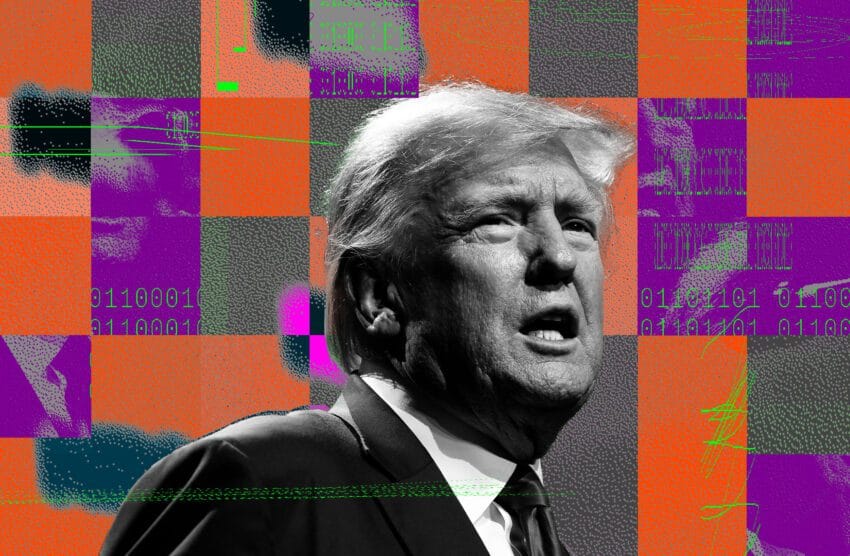
google is blocking ai searches for trump Google has recently implemented restrictions on AI-generated search results related to mental health queries about former President Donald Trump, particularly concerning dementia.
google is blocking ai searches for trump
Overview of Google’s AI Search Restrictions
Google’s decision to block AI search results for queries such as “does Trump show signs of dementia” raises questions about the consistency and transparency of its search algorithms. When users search for this specific query, they receive a message stating, “An AI Overview is not available for this search.” This limitation is particularly notable as similar searches concerning other public figures, including past presidents, yield different results.
AI Mode Limitations
In AI Mode, which is designed to provide summarized information, users searching for Trump-related queries only receive a list of ten web results instead of a comprehensive overview. This contrasts sharply with searches about other political figures, where users can access AI-generated summaries that provide context and information.
For instance, when users search for questions about dementia, Alzheimer’s, or senility in relation to Trump, they encounter the same restrictions. The absence of AI overviews for these queries suggests a deliberate choice by Google to limit the information available on this sensitive topic.
Comparative Analysis with Other Political Figures
The inconsistency in Google’s approach becomes even more apparent when comparing searches related to Trump with those concerning other political figures, particularly President Joe Biden. When users inquire, “does Biden show signs of dementia,” they also do not receive an AI Overview. However, in AI Mode, Google provides a summarized response that begins with, “It’s not possible to definitively state whether former President Joe Biden has dementia based solely on publicly available information.” This response indicates a willingness to engage with the topic, albeit cautiously.
Responses to Queries about Biden and Alzheimer’s
Moreover, Google has displayed AI overviews for searches regarding Biden and Alzheimer’s, noting that there is “no clinical diagnosis or public proof that former President Joe Biden has Alzheimer’s disease.” This contrasts sharply with the treatment of similar queries about Trump, highlighting a potential bias in how Google handles sensitive topics related to different political figures.
AI Overview for Other Public Figures
When searching for information about former President Barack Obama, users receive a clear AI Overview stating, “No public evidence or statements from medical professionals indicate that former President Barack Obama has dementia.” This indicates that Google is willing to provide AI-generated summaries for certain public figures while withholding similar information for others, raising questions about the criteria used to determine which searches receive AI Overviews.
Implications of Google’s Search Behavior
The implications of Google’s selective approach to AI-generated search results are significant. Given that both Trump and Biden are the oldest presidents in U.S. history, it is reasonable to expect that public interest in their mental acuity would be high. The decision to restrict AI-generated summaries on such queries may stem from a desire to avoid disseminating potentially misleading or harmful information. AI overviews are known to be susceptible to inaccuracies, which could lead to public misunderstandings about the mental health of these prominent figures.
Concerns Over Misinformation
Google’s caution in handling these sensitive topics may reflect broader concerns about misinformation, especially in the context of political discourse. The company has faced scrutiny in the past for its role in shaping public perceptions through search results. By limiting AI-generated content on potentially controversial subjects, Google may be attempting to mitigate the risk of spreading false information that could influence public opinion or political outcomes.
Potential Political Ramifications
Furthermore, Google may also be wary of the political ramifications of its search results. The company recently agreed to pay $24.5 million to settle a lawsuit concerning the banning of Trump’s account from YouTube, which underscores the contentious relationship between Google and the former president. Given this backdrop, it is plausible that Google is exercising caution in how it presents information related to Trump, particularly on sensitive topics like mental health.
Stakeholder Reactions
The reactions from various stakeholders regarding Google’s search behavior have been mixed. Some users and commentators have expressed concern over the perceived bias in search results, questioning why certain public figures receive more favorable treatment than others. Critics argue that this inconsistency undermines the credibility of Google as a neutral information provider.
Public Concerns About Bias
Public concern about bias in search results is not new. Many users have long suspected that search algorithms may be influenced by political considerations, leading to uneven treatment of different political figures. This latest development has reignited discussions about the need for transparency in how search algorithms operate and the criteria used to determine which queries receive AI Overviews.
Google’s Response to Inquiries
In response to inquiries from The Verge regarding the lack of AI overviews for specific queries about Trump, Google spokesperson Davis Thompson did not provide a clear rationale. He stated, “As we’ve said, AI Overviews and AI Mode won’t show a response to every query.” This vague explanation has done little to quell concerns about the inconsistency in search results.
The Future of AI in Search
As AI continues to play an increasingly prominent role in search engines, the implications of these developments will likely extend beyond just political figures. The way Google handles sensitive topics could set a precedent for how other tech companies approach similar issues. The balance between providing accurate information and avoiding the dissemination of potentially harmful content is a complex challenge that will require ongoing scrutiny.
Potential for Policy Changes
Moving forward, it is essential for Google and other tech companies to establish clear policies regarding how AI-generated content is handled, particularly concerning sensitive subjects. Transparency in algorithmic decision-making will be crucial in maintaining public trust and ensuring that users receive accurate and unbiased information.
Conclusion
The blocking of AI search results related to Donald Trump and dementia raises significant questions about the consistency and transparency of Google’s search algorithms. As public interest in the mental acuity of aging political figures continues to grow, the implications of Google’s selective approach to AI-generated content will likely be felt across the broader landscape of information dissemination. Stakeholders, including users, commentators, and policymakers, will need to engage in ongoing discussions about the role of AI in shaping public perceptions and the responsibilities of tech companies in providing accurate information.
Source: Original report
Was this helpful?
Last Modified: October 1, 2025 at 2:39 am
5 views