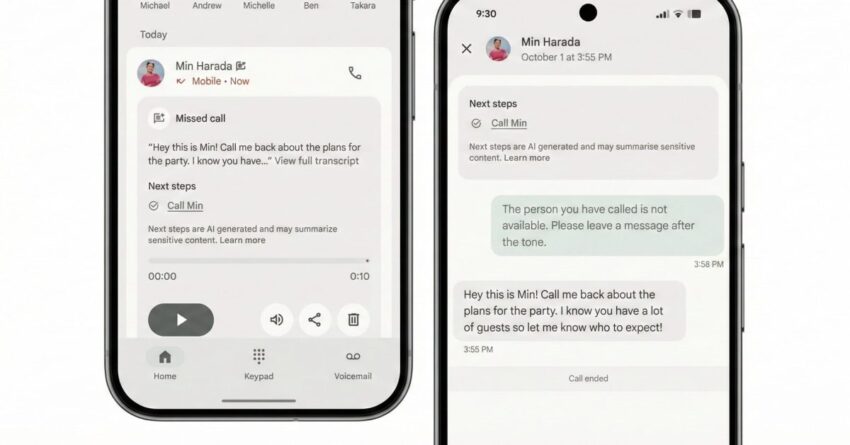
google confirms take a message microphone bug Google has officially acknowledged a bug affecting the “Take a Message” feature in its Pixel Phone app, leading to the decision to disable this functionality on older Pixel models.
google confirms take a message microphone bug
Understanding the Bug
The “Take a Message” feature, designed to allow users to leave audio messages for callers when they are unavailable, has been a useful tool for many Pixel phone users. However, reports surfaced indicating that, for a small number of users, this feature inadvertently transmitted audio to the caller, raising significant privacy concerns. The issue was particularly alarming because it could result in unintended audio being heard by the person on the other end of the line, potentially compromising sensitive conversations.
Google’s Response
In response to these concerns, Google has confirmed the existence of the bug and has taken immediate action. The company announced that it would disable the “Take a Message” feature on the Pixel 4 and Pixel 5 series of phones. This decision underscores Google’s commitment to user privacy and security, as the company aims to prevent any further incidents that could arise from this malfunction.
Scope of the Issue
While the bug appears to affect only a small number of users, the implications are significant. Privacy is a paramount concern for smartphone users, and any feature that inadvertently exposes private audio can lead to a loss of trust in the device and the brand. The Pixel series, known for its clean Android experience and advanced features, may face scrutiny as users weigh the risks of using certain functionalities.
Technical Background
The “Take a Message” feature operates by allowing users to record audio messages when they cannot answer a call. This feature is integrated into the Pixel Phone app, which is designed to enhance user experience by providing alternatives for communication. However, the technical glitch that caused audio to be sent to the caller instead of being recorded has raised questions about the robustness of the app’s design and testing processes.
Google has not disclosed the specific technical details of the bug, leaving many to speculate about the underlying causes. It is unclear whether the issue stemmed from a software update, a coding error, or a flaw in the app’s architecture. Regardless of the cause, the incident highlights the importance of rigorous testing and quality assurance in software development, particularly for features that handle sensitive user data.
Implications for Users
The disabling of the “Take a Message” feature on the Pixel 4 and 5 series has immediate implications for users. For those who relied on this functionality, the loss may be inconvenient, particularly in situations where leaving a message is necessary. Users may now need to seek alternative methods for communicating when they are unable to answer calls, such as using third-party messaging apps or relying on traditional voicemail services.
Impact on User Trust
Trust is a critical component of the relationship between technology companies and their users. Incidents like this can erode that trust, leading users to question the reliability and security of their devices. Google must work diligently to reassure users that their privacy is a top priority. This may involve not only fixing the bug but also enhancing transparency around how user data is handled and protected.
Long-Term Consequences
In the long term, the incident may prompt Google to reevaluate its approach to feature development and testing. As smartphones become increasingly integrated into daily life, the stakes for privacy and security continue to rise. Users expect their devices to safeguard their personal information, and any lapse can lead to reputational damage.
Stakeholder Reactions
The response from stakeholders, including users, tech analysts, and privacy advocates, has been mixed. Some users have expressed frustration over the bug, particularly those who found the “Take a Message” feature to be a valuable tool. Others have praised Google for its swift action in disabling the feature, recognizing the importance of prioritizing user privacy over convenience.
Community Feedback
Online forums and social media platforms have become venues for users to share their experiences and opinions regarding the bug. Many have recounted instances where they felt their privacy was compromised, while others have shared their relief at the prompt response from Google. This feedback loop is crucial for Google as it navigates the aftermath of the incident and seeks to restore user confidence.
Expert Opinions
Tech analysts have weighed in on the situation, emphasizing the need for companies to prioritize privacy in their product offerings. Experts suggest that Google should consider implementing more robust testing protocols to prevent similar issues in the future. Additionally, they recommend that the company invest in user education to help individuals understand how to protect their privacy while using smartphone features.
Looking Ahead
As Google moves forward, the company faces the challenge of addressing the current bug while also ensuring that its products remain competitive in a crowded market. The Pixel series has garnered a loyal following due to its unique features and integration with Google services. However, maintaining that loyalty will require ongoing commitment to user privacy and security.
Future Updates and Features
In light of this incident, Google may consider revisiting the design of the “Take a Message” feature to enhance its reliability and security. Future updates could include improved privacy controls, allowing users to manage how their audio messages are handled. Additionally, Google may explore alternative methods for users to leave messages without compromising their privacy.
Broader Industry Implications
This incident also serves as a reminder for the broader tech industry about the importance of privacy. As more companies develop features that rely on audio and video communication, the potential for similar bugs increases. Industry-wide standards for privacy and security testing may become necessary to protect users and maintain trust in technology.
Conclusion
The confirmation of the “Take a Message” bug by Google and the subsequent decision to disable the feature on older Pixel models highlights the critical intersection of technology and user privacy. As the company navigates the implications of this incident, it must prioritize transparency, user education, and robust testing protocols to restore confidence among its user base. The future of the Pixel series will depend not only on innovative features but also on a steadfast commitment to safeguarding user privacy in an increasingly connected world.
Source: Original report
Was this helpful?
Last Modified: January 29, 2026 at 4:55 am
0 views