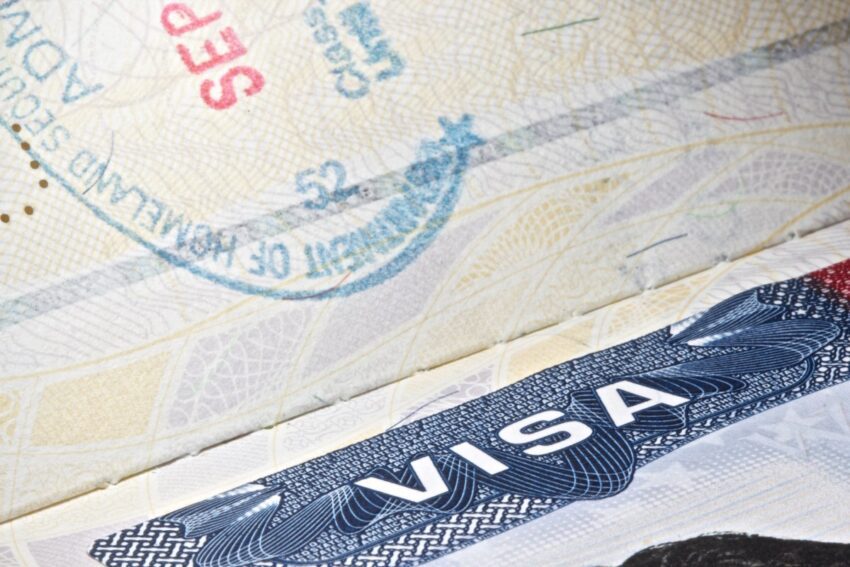
google and apple reportedly warn employees on Google and Apple have issued warnings to their employees on work visas, advising them to refrain from international travel amid prolonged visa processing delays.
google and apple reportedly warn employees on
Background on Visa Processing Delays
The U.S. visa system has faced significant challenges in recent years, exacerbated by the COVID-19 pandemic and subsequent policy changes. The backlog in visa processing has become a pressing issue, affecting many foreign workers who rely on timely visa renewals to maintain their employment status in the United States. This situation has been further complicated by staffing shortages at U.S. embassies and consulates, which have struggled to resume normal operations following pandemic-related closures.
As a result, employees who require visa stamps to re-enter the U.S. after international travel are facing increased uncertainty. The delays can range from several weeks to several months, leaving many in precarious situations regarding their employment and residency status. This has prompted companies like Google and Apple to take proactive measures to protect their workforce.
Company Responses and Employee Guidance
Law firms representing both Google and Apple have communicated the heightened risks associated with international travel for employees on work visas. In their advisories, they have emphasized that employees should carefully consider the implications of leaving the country, particularly if they need to obtain a new visa stamp upon their return.
Specific Warnings Issued
The warnings from legal representatives highlight several key points:
- Employees should avoid international travel unless absolutely necessary.
- If travel is unavoidable, employees should prepare for the possibility of extended delays in visa processing.
- Employees are encouraged to consult with legal counsel before making travel plans.
These recommendations reflect a broader concern about the stability of the visa system and its impact on the workforce. The companies are taking these steps not only to safeguard their employees but also to ensure that their operations remain unaffected by potential staffing shortages.
Implications for the Tech Industry
The tech industry heavily relies on a diverse workforce, including many employees from abroad. Companies like Google and Apple have long benefited from the skills and expertise of international talent, particularly in specialized fields such as software engineering, data science, and artificial intelligence. However, the current visa processing delays pose a significant risk to their ability to attract and retain skilled workers.
Potential Impact on Recruitment
The warnings from Google and Apple may deter potential candidates from pursuing opportunities within these companies. Prospective employees who are on work visas may reconsider their options if they perceive that international travel could jeopardize their employment status. This could lead to a talent drain, with skilled workers opting for positions in countries with more favorable immigration policies.
Furthermore, the uncertainty surrounding visa processing may also affect the companies’ ability to recruit new talent from abroad. As the tech industry continues to grow, the demand for skilled workers is at an all-time high. Companies that cannot guarantee a smooth transition for international hires may find themselves at a competitive disadvantage.
Stakeholder Reactions
The reactions to the advisories from Google and Apple have been mixed. Some stakeholders express understanding of the companies’ caution, while others criticize the broader implications for the U.S. immigration system.
Support from Employees
Many employees have expressed appreciation for the proactive measures taken by their employers. The warnings provide clarity and guidance during a time of uncertainty, allowing employees to make informed decisions about their travel plans. Employees on work visas often face unique challenges, and the support from their employers can alleviate some of the stress associated with these challenges.
Criticism from Immigration Advocates
On the other hand, immigration advocates have criticized the current state of the U.S. visa system, arguing that it disproportionately affects skilled workers. They contend that the delays are indicative of a larger systemic issue that needs to be addressed. Advocates argue that the U.S. should streamline its visa processing to ensure that talented individuals can contribute to the economy without unnecessary barriers.
Some have called for reforms to the immigration system that would allow for more efficient processing of visa applications and renewals. They argue that the current delays not only hinder individual workers but also stifle innovation and growth within the tech industry.
Long-term Consequences
The ongoing visa processing delays could have far-reaching consequences for the U.S. tech industry and the economy as a whole. If companies like Google and Apple are unable to effectively recruit and retain international talent, it could lead to a slowdown in innovation and development. The tech sector has been a driving force behind economic growth, and any impediments to its workforce could have ripple effects throughout the economy.
Global Competitiveness
The U.S. has long been viewed as a global leader in technology and innovation. However, as other countries implement more favorable immigration policies, the U.S. risks losing its competitive edge. Countries such as Canada and Australia have introduced initiatives aimed at attracting skilled workers, making them more appealing destinations for international talent.
If the U.S. does not address its visa processing challenges, it may find itself at a disadvantage in the global talent market. Companies may increasingly look to relocate operations to countries with more streamlined immigration processes, further exacerbating the talent drain.
Future Outlook
The future of the U.S. visa system remains uncertain. While the current delays are a significant concern, there is hope that improvements can be made to streamline the process. Advocacy groups continue to push for reforms that would enhance the efficiency of visa processing and reduce the backlog.
Potential Policy Changes
In response to the ongoing challenges, policymakers may consider implementing changes to the visa system. These could include:
- Increasing funding for U.S. embassies and consulates to expedite processing times.
- Implementing technology solutions to streamline the application process.
- Expanding visa categories to accommodate the needs of the tech industry.
Such changes could alleviate some of the pressure on the visa system and provide a more favorable environment for international workers. However, any reforms would require bipartisan support and a commitment to addressing the underlying issues within the immigration system.
Conclusion
The warnings issued by Google and Apple serve as a stark reminder of the challenges facing employees on work visas in the current climate. As visa processing delays continue to pose risks to international travel, companies must navigate these complexities to protect their workforce and maintain their competitive edge. The implications of these challenges extend beyond individual employees, impacting the broader tech industry and the U.S. economy as a whole. Addressing these issues will require concerted efforts from both the private sector and policymakers to ensure that the U.S. remains a destination for global talent.
Source: Original report
Was this helpful?
Last Modified: December 21, 2025 at 2:36 pm
0 views