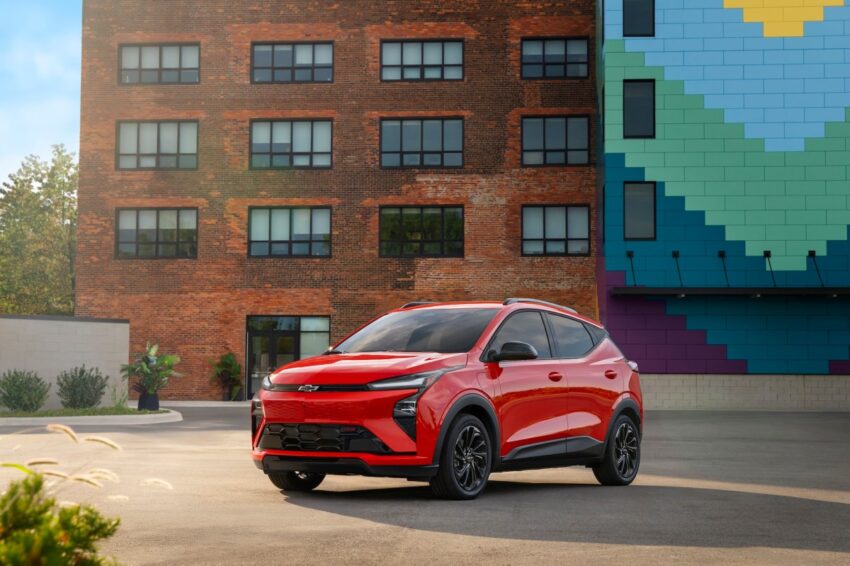
gm to end chevy bolt ev production General Motors (GM) has announced plans to cease production of the Chevy Bolt electric vehicle (EV) next year, while simultaneously relocating the production of a China-made Buick model to a U.S. factory.
gm to end chevy bolt ev production
Overview of Production Changes
In a significant shift for its manufacturing strategy, GM will discontinue the Chevy Bolt EV, a model that has been pivotal in the company’s electric vehicle lineup. This decision comes as the company aims to streamline its operations and adapt to changing market dynamics. The Bolt has been a cornerstone of GM’s efforts to establish a foothold in the electric vehicle market, but the company is now pivoting towards new models that align more closely with its future vision.
Alongside the discontinuation of the Bolt, GM is also moving the production of a Buick model that has been manufactured in China to a facility in the United States. This move is indicative of GM’s broader strategy to enhance domestic manufacturing capabilities while responding to evolving consumer preferences and regulatory pressures.
Implications for the Electric Vehicle Market
The decision to end production of the Chevy Bolt raises questions about GM’s long-term strategy in the electric vehicle sector. The Bolt has been one of the more affordable electric vehicles on the market, appealing to budget-conscious consumers and those looking to make the switch to electric without breaking the bank. Its discontinuation could leave a gap in GM’s offerings for entry-level EVs, particularly as competition in the electric vehicle market continues to intensify.
Market Dynamics
The electric vehicle market is rapidly evolving, with numerous manufacturers entering the space and consumers increasingly seeking out sustainable transportation options. As automakers invest heavily in EV technology, the landscape is becoming more competitive. GM’s decision to pivot away from the Bolt could be seen as a response to these market dynamics, as the company seeks to focus on higher-margin models that may offer better profitability.
Consumer Reactions
Consumer reactions to the discontinuation of the Bolt have been mixed. Some loyal customers express disappointment, citing the model’s affordability and practicality as key selling points. Others, however, recognize the need for innovation and the development of new models that may better meet their needs in the future. The shift in production strategy may also influence consumer perceptions of GM’s commitment to electric vehicles, as the company transitions away from a model that has garnered a dedicated following.
Political and Economic Context
The factory changes at GM are not occurring in a vacuum; they reflect a broader economic and political landscape shaped by various factors, including tariff policies and federal incentives for electric vehicles. The Trump administration’s tariff policy, which imposed tariffs on imported goods, has had a significant impact on the automotive industry. These tariffs have affected the cost structure for manufacturers, leading some companies to reconsider their production strategies.
Impact of Tariff Policies
Tariffs on imported vehicles and components have raised production costs for automakers, prompting many to explore domestic manufacturing options. GM’s decision to move the production of the Buick model from China to the U.S. can be seen as a strategic response to these economic pressures. By relocating production, GM may be able to mitigate some of the financial impacts associated with tariffs while also aligning with consumer preferences for domestically produced vehicles.
Federal EV Tax Credit Changes
Another significant factor influencing GM’s production decisions is the federal electric vehicle tax credit. The Trump administration’s decision to end this credit has created uncertainty in the EV market, as consumers may be less incentivized to purchase electric vehicles without the financial benefits previously offered. This shift in policy has prompted automakers to reassess their electric vehicle strategies, as the financial viability of certain models may be impacted by the absence of federal support.
Future of GM’s Electric Vehicle Strategy
As GM moves forward with its plans, the future of its electric vehicle strategy remains a critical focus. The company has committed to investing heavily in electric and autonomous vehicle technology, with plans to launch a range of new models in the coming years. This commitment underscores GM’s recognition of the growing importance of electric vehicles in the automotive landscape.
New Model Development
While the discontinuation of the Bolt may raise concerns, GM is actively developing new electric models that are expected to appeal to a broader range of consumers. The company has announced plans to introduce several new EVs, including SUVs and trucks, which are anticipated to capture a larger share of the market. By diversifying its electric vehicle offerings, GM aims to position itself as a leader in the transition to sustainable transportation.
Investment in Technology
In addition to new model development, GM is investing in advanced technologies that will enhance the performance and efficiency of its electric vehicles. This includes research into battery technology, charging infrastructure, and autonomous driving capabilities. By prioritizing innovation, GM seeks to address consumer concerns about range anxiety and charging accessibility, which are critical factors in the adoption of electric vehicles.
Stakeholder Reactions
The announcement of production changes has elicited responses from various stakeholders, including industry analysts, environmental advocates, and labor organizations. Analysts have noted that GM’s decision to discontinue the Bolt may reflect a broader trend among automakers to prioritize higher-margin vehicles in an increasingly competitive market. This shift could have implications for the overall landscape of electric vehicle offerings, as manufacturers seek to balance profitability with sustainability.
Environmental Considerations
Environmental advocates have expressed concern about the potential impact of GM’s production changes on the company’s commitment to sustainability. The Bolt has been recognized for its relatively low environmental footprint, and its discontinuation may raise questions about GM’s overall strategy for reducing emissions and promoting clean transportation. Advocates are urging the company to maintain a focus on electric vehicle development, emphasizing the importance of accessible and affordable options for consumers.
Labor Perspectives
Labor organizations have also weighed in on the production changes, highlighting the importance of domestic manufacturing jobs. The move to relocate Buick production to the U.S. has been welcomed by some labor advocates, who see it as a positive step towards job creation in the automotive sector. However, the discontinuation of the Bolt may raise concerns about job security for workers involved in its production, prompting calls for transparency and support for affected employees.
Conclusion
GM’s decision to end production of the Chevy Bolt EV and relocate Buick manufacturing to the U.S. marks a significant shift in the company’s strategy amidst a complex economic and political landscape. As the electric vehicle market continues to evolve, GM’s focus on new models and advanced technologies will be critical in determining its future success. Stakeholder reactions highlight the diverse perspectives surrounding these changes, emphasizing the need for a balanced approach that prioritizes sustainability, profitability, and job security.
Source: Original report
Was this helpful?
Last Modified: January 23, 2026 at 6:57 am
0 views