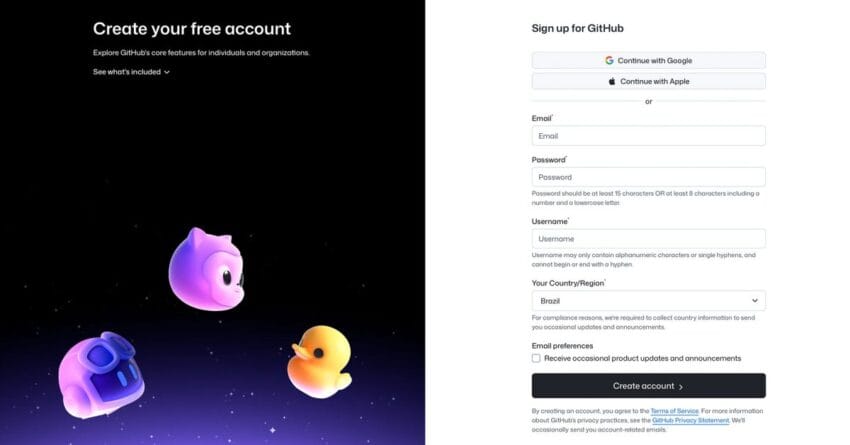
github now supports sign in with apple GitHub has announced the integration of ‘Sign in with Apple,’ allowing users to create new accounts or access existing ones using their Apple credentials.
github now supports sign in with apple
Overview of the Integration
GitHub, a leading platform for version control and collaboration, has made a significant update by introducing ‘Sign in with Apple’ as an authentication option. This feature is designed to enhance user experience by simplifying the login process while maintaining security and privacy. Users can now leverage their Apple accounts to sign in to GitHub, making it easier for those who prefer Apple’s ecosystem.
How It Works
The integration of ‘Sign in with Apple’ allows users to authenticate their GitHub accounts using their Apple ID. Here’s a step-by-step breakdown of how the process works:
- Account Creation: When creating a new GitHub account, users will see the option to sign up using their Apple ID. By selecting this option, users can bypass the traditional email and password setup.
- Authentication: Users will be prompted to log in with their Apple credentials. This process involves standard Apple authentication methods, including Face ID, Touch ID, or entering a password.
- Privacy Features: Users have the option to hide their email address from GitHub. Apple provides a unique, random email address that forwards to the user’s actual email, ensuring privacy.
- Existing Accounts: For users who already have a GitHub account, they can link their existing account to their Apple ID. This allows them to log in using their Apple credentials while retaining their existing data and repositories.
Benefits of Using ‘Sign in with Apple’
The addition of ‘Sign in with Apple’ offers several advantages for GitHub users:
Enhanced Security
Security is a primary concern for many users, especially in the tech industry. By using ‘Sign in with Apple,’ users benefit from Apple’s robust security measures. This includes two-factor authentication, which adds an extra layer of protection against unauthorized access. Additionally, Apple does not track users’ activity, ensuring that personal data remains private.
Simplified User Experience
For many users, remembering multiple passwords can be a hassle. The integration of ‘Sign in with Apple’ simplifies the login process by allowing users to authenticate with a single set of credentials. This streamlined experience is particularly beneficial for developers and teams who frequently access GitHub for collaboration and project management.
Privacy Control
Apple has positioned itself as a champion of user privacy. With ‘Sign in with Apple,’ users can choose to share their real email addresses or use a private relay email address. This feature is especially appealing for users concerned about spam or unwanted communication from third-party services.
Implications for Developers and Organizations
The introduction of ‘Sign in with Apple’ has broader implications for developers and organizations using GitHub. As the platform continues to evolve, the integration of various authentication methods reflects a growing trend towards user-centric design and security.
Impact on Development Teams
Development teams often rely on GitHub for version control, collaboration, and project management. The ability to use ‘Sign in with Apple’ can enhance team dynamics by making it easier for new members to join projects. Teams can onboard new developers quickly, reducing the friction often associated with account creation and management.
Organizational Security Policies
Organizations that prioritize security may find the addition of ‘Sign in with Apple’ beneficial. By allowing employees to use their Apple accounts, organizations can enforce security policies that align with their existing frameworks. This can lead to improved compliance with data protection regulations and a reduction in security breaches.
Stakeholder Reactions
The reaction to GitHub’s integration of ‘Sign in with Apple’ has been largely positive. Users appreciate the convenience and security that the feature offers, while developers and organizations recognize its potential to streamline workflows.
User Feedback
Many users have expressed enthusiasm about the new feature on social media and forums. Comments highlight the ease of use and the added security benefits. Users who have previously experienced issues with password management are particularly grateful for the option to use their Apple ID.
Developer Community Response
Within the developer community, there is a recognition of the importance of user authentication. Many developers see the integration as a step forward in making GitHub more accessible to a wider audience. The ability to use existing Apple accounts can attract new users who may have been hesitant to create separate accounts for various services.
Future of Authentication on GitHub
The addition of ‘Sign in with Apple’ raises questions about the future of authentication methods on GitHub. As user expectations evolve, platforms must adapt to meet the demand for secure, user-friendly login options.
Potential for More Integrations
GitHub’s move to incorporate ‘Sign in with Apple’ may pave the way for additional authentication options in the future. Other platforms have similarly embraced social logins, and GitHub may explore further integrations with services like Google, Facebook, or Microsoft. This could lead to a more diverse range of authentication methods, catering to the preferences of a broader user base.
Focus on Security and Privacy
As concerns about data privacy and security continue to grow, GitHub’s integration of ‘Sign in with Apple’ reflects a commitment to addressing these issues. The platform may continue to prioritize user privacy in future updates, ensuring that users feel safe and secure while using their services.
Conclusion
The integration of ‘Sign in with Apple’ into GitHub marks a significant advancement in user authentication. By simplifying the login process and enhancing security, GitHub is not only improving user experience but also aligning itself with the growing emphasis on privacy and data protection. As the platform continues to evolve, it will be interesting to see how these changes impact the broader developer community and the future of authentication in digital services.
Source: Original report
Was this helpful?
Last Modified: October 9, 2025 at 12:39 pm
25 views