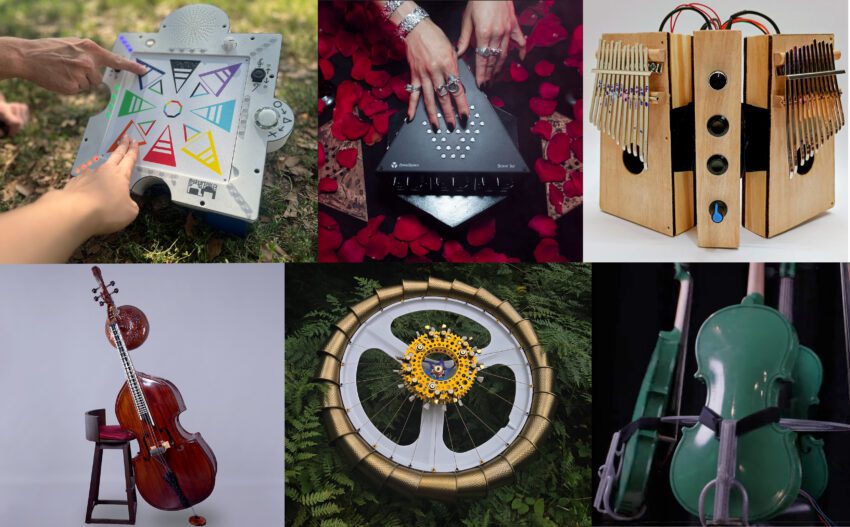
georgia tech announced the finalists in its Georgia Tech has unveiled the finalists for its highly anticipated Guthman Musical Instrument Competition, showcasing a diverse array of innovative musical instruments designed by inventors from around the globe.
georgia tech announced the finalists in its
Overview of the Guthman Musical Instrument Competition
Established 28 years ago, the Guthman Musical Instrument Competition has become a prestigious platform for inventors and musicians alike. Each year, Georgia Tech invites participants to submit their unique instrument designs, competing for a total of $10,000 in prizes. This competition not only highlights creativity in musical instrument design but also fosters a community of innovators who push the boundaries of sound and music.
Past finalists have included notable figures in the music technology industry, such as founding members of Teenage Engineering, Artiphon, and Roli. These companies have made significant contributions to the evolution of musical instruments, blending technology with traditional music-making. Last year, KOMA Elektronik took home the top prize for their innovative creation, the Chromaplane, which captivated judges with its unique approach to sound generation.
This Year’s Finalists
This year’s finalists present an eclectic mix of creativity and ingenuity, with each instrument reflecting a unique vision. Among the standout entries are:
- Amphibian Modules: This modular synthesizer takes a novel approach by replacing traditional patch cables with a dish of saltwater. The concept challenges conventional methods of sound synthesis, introducing an element of fluidity and unpredictability to the music-making process.
- The Gajveena: A fascinating hybrid instrument that merges the deep tones of a double bass with the traditional sounds of an Indian veena. This instrument aims to bridge cultural divides, offering musicians a new way to explore and express their musical heritage.
- Fiddle Henge: Perhaps the most visually striking entry, Fiddle Henge is a playable installation that resembles a stone henge but is constructed entirely of fiddles. This instrument not only serves as a musical device but also as a piece of art, inviting interaction and engagement from audiences.
Innovative Concepts Behind the Instruments
The creativity behind these instruments reflects a broader trend in the music industry towards experimentation and cross-disciplinary collaboration. Each finalist has approached instrument design with a unique perspective, often drawing inspiration from various fields such as technology, art, and cultural traditions.
The Amphibian Modules, for instance, challenges the traditional notion of synthesizers by integrating natural elements into the sound production process. This innovative use of saltwater not only creates a new sonic palette but also encourages musicians to think about the environmental aspects of music-making.
On the other hand, the Gajveena exemplifies the fusion of different musical traditions. By combining the rich, resonant tones of the double bass with the intricate melodies of the veena, this instrument opens up new avenues for musical exploration, allowing artists to blend genres and create unique soundscapes.
Implications for the Music Industry
The finalists of the Guthman Musical Instrument Competition highlight a significant shift in the music industry towards innovation and inclusivity. As technology continues to evolve, musicians are increasingly seeking new ways to express themselves, often through unconventional means. This competition serves as a testament to the growing importance of creativity in music, encouraging inventors to push the boundaries of what is possible.
Moreover, the diverse range of instruments showcased this year reflects a broader cultural movement towards inclusivity and collaboration. By embracing different musical traditions and technologies, these inventors are not only creating new sounds but also fostering a sense of community among musicians from various backgrounds.
Stakeholder Reactions
The announcement of this year’s finalists has garnered attention from various stakeholders in the music and technology sectors. Many industry professionals have expressed excitement about the innovative designs and the potential impact they could have on the future of music-making.
Musicians and composers have particularly praised the Gajveena for its ability to blend different musical traditions, with some noting that it could serve as a valuable tool for cross-cultural collaboration. Others have highlighted the Amphibian Modules as a groundbreaking approach to sound synthesis, emphasizing its potential to inspire new genres of music.
Educators and music technology advocates have also recognized the importance of competitions like the Guthman Musical Instrument Competition. They argue that such events not only promote innovation but also encourage the next generation of musicians and inventors to think creatively about their craft.
The Future of Musical Instrument Design
The finalists of the Guthman Musical Instrument Competition represent just a fraction of the innovative work being done in the field of musical instrument design. As technology continues to advance, we can expect to see even more groundbreaking creations that challenge our understanding of music and sound.
Emerging technologies such as artificial intelligence, virtual reality, and augmented reality are likely to play a significant role in shaping the future of musical instruments. These technologies offer new possibilities for sound generation, interaction, and performance, allowing musicians to explore uncharted territories in their craft.
Conclusion
As the music industry continues to evolve, competitions like the Guthman Musical Instrument Competition serve as vital platforms for innovation and creativity. The finalists of this year’s competition not only showcase the incredible talent of inventors but also highlight the importance of pushing boundaries in music-making.
With instruments like the Amphibian Modules, Gajveena, and Fiddle Henge, we are witnessing a new era of musical exploration that embraces diversity, technology, and artistic expression. As these innovators continue to redefine the possibilities of sound, the future of music looks brighter than ever.
Source: Original report
Was this helpful?
Last Modified: February 15, 2026 at 1:37 am
5 views