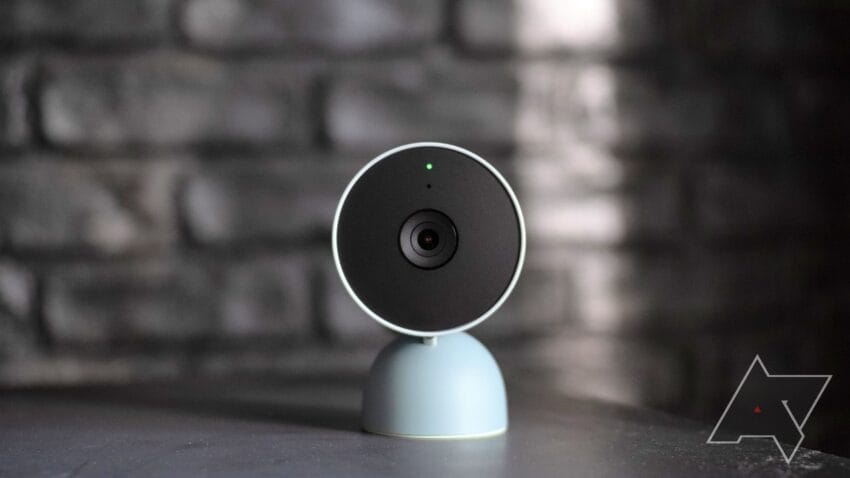
gemini for home is simply too powerful Google’s recent advancements in artificial intelligence are set to reshape its smart home ecosystem, particularly with the introduction of Gemini for Home.
gemini for home is simply too powerful
Introduction to Gemini for Home
Google has made significant strides in enhancing its smart home offerings, primarily through the integration of AI technologies. The latest development is the rollout of Gemini for Home, an advanced AI model designed to improve the functionality and user experience of various smart devices. This initiative comes on the heels of a revamped Google Home interface and the introduction of several new Gemini-enabled products, including the latest Nest Cams and Nest Doorbell.
The Role of AI in Smart Home Technology
Artificial intelligence has become a cornerstone of modern technology, particularly in the realm of smart home devices. AI enhances the capabilities of these devices, allowing them to learn from user behavior, adapt to preferences, and provide more personalized experiences. With the introduction of Gemini for Home, Google aims to take this a step further by offering a more comprehensive and intelligent smart home experience.
What is Gemini for Home?
Gemini for Home is an AI model that leverages machine learning to improve the functionality of smart home devices. It is designed to analyze data from various sensors and user interactions, enabling devices to respond more intelligently to commands and situations. This model is particularly beneficial for security devices like the Nest Cams and Nest Doorbell, which require real-time analysis and decision-making capabilities.
Key Features of Gemini for Home
- Enhanced Object Recognition: Gemini for Home utilizes advanced image processing algorithms to improve object recognition capabilities. This allows Nest Cams to distinguish between familiar faces and strangers, enhancing security measures.
- Contextual Awareness: The AI model can analyze the context of events, such as recognizing when a package is delivered or when a person is loitering near the home.
- Improved Notifications: Users will receive more relevant notifications based on the AI’s understanding of their preferences and routines.
- Seamless Integration: Gemini for Home is designed to work seamlessly with other Google smart home devices, creating a cohesive ecosystem.
New Nest Cams and Nest Doorbell
As part of the Gemini for Home rollout, Google has introduced new versions of its Nest Cams and Nest Doorbell. These devices are equipped with the latest AI capabilities, promising to enhance home security and user experience significantly.
Features of the New Nest Cams
The new Nest Cams come with several upgraded features that leverage the power of Gemini for Home:
- High-Definition Video Quality: The cameras provide high-definition video feeds, ensuring that users can see clear images even in low-light conditions.
- Two-Way Audio: Users can communicate through the cameras, allowing for interaction with visitors or pets.
- AI-Powered Alerts: The cameras can send alerts based on specific activities, such as detecting motion or recognizing familiar faces.
Features of the New Nest Doorbell
The Nest Doorbell has also received significant upgrades:
- Smart Package Detection: The doorbell can recognize when packages are delivered, providing users with timely notifications.
- Facial Recognition: Similar to the Nest Cams, the doorbell can identify known individuals, allowing for personalized greetings.
- Integration with Other Devices: The doorbell works seamlessly with other Google smart home devices, enhancing the overall user experience.
Challenges with Battery-Powered Devices
While the advancements brought by Gemini for Home are promising, there are concerns regarding the implementation of these features in battery-powered devices like the Nest Cams. The enhanced capabilities of Gemini for Home may require more processing power and energy consumption than what battery-operated devices can sustain.
Energy Consumption Concerns
Battery-powered devices typically have limitations in terms of processing power and energy consumption. The advanced features of Gemini for Home, such as real-time object recognition and contextual awareness, may lead to increased battery drain. Users may find themselves frequently recharging or replacing batteries, which could diminish the convenience that these devices are meant to provide.
Potential Solutions
To address these challenges, Google may need to explore several potential solutions:
- Optimized Algorithms: Developing more energy-efficient algorithms that can still deliver the advanced features of Gemini for Home without excessive battery drain.
- Hybrid Power Solutions: Considering hybrid power options, such as solar panels or wired connections, to supplement battery life.
- User Customization: Allowing users to customize settings to prioritize battery life over certain features, enabling them to choose what is most important for their needs.
Stakeholder Reactions
The introduction of Gemini for Home and the new Nest devices has elicited a range of reactions from stakeholders, including consumers, industry experts, and competitors.
Consumer Feedback
Many consumers are excited about the potential of Gemini for Home to enhance their smart home experience. Users appreciate the promise of improved security features and personalized interactions. However, there are also concerns about the practicality of battery-powered devices handling the increased demands of AI functionalities.
Industry Expert Opinions
Industry experts have expressed cautious optimism regarding the advancements. They acknowledge that while AI can significantly improve smart home technology, the challenges associated with battery life and energy consumption must be addressed. Experts suggest that Google should focus on creating a balance between advanced features and practical usability.
Competitive Landscape
Google’s competitors in the smart home market are closely monitoring these developments. Companies like Amazon and Apple are also investing in AI technologies for their smart home ecosystems. The introduction of Gemini for Home could prompt competitors to accelerate their own innovations to maintain market relevance.
Implications for the Future of Smart Homes
The rollout of Gemini for Home represents a significant step forward in the evolution of smart home technology. As AI continues to play a more prominent role, consumers can expect even more sophisticated devices that offer enhanced security, convenience, and personalization.
Long-Term Vision
Google’s long-term vision for smart homes appears to center around creating a fully integrated ecosystem where devices communicate seamlessly and adapt to user preferences. The success of Gemini for Home will likely influence the direction of future smart home innovations, setting new standards for functionality and user experience.
Conclusion
In conclusion, Google’s Gemini for Home initiative has the potential to revolutionize the smart home landscape. While the new Nest Cams and Nest Doorbell promise enhanced features powered by AI, there are practical challenges related to battery-powered devices that need to be addressed. The reactions from consumers and industry experts indicate a mix of excitement and caution, highlighting the need for a balanced approach to innovation. As Google continues to refine its offerings, the implications for the future of smart homes are profound, paving the way for a more intelligent and interconnected living environment.
Source: Original report
Was this helpful?
Last Modified: October 4, 2025 at 2:37 am
1 views