garmin now offers nutrition tracking Garmin has introduced a new nutrition tracking feature in its Garmin Connect app, enhancing the capabilities available to users with a Garmin Connect Plus subscription.
garmin now offers nutrition tracking
Overview of the New Feature
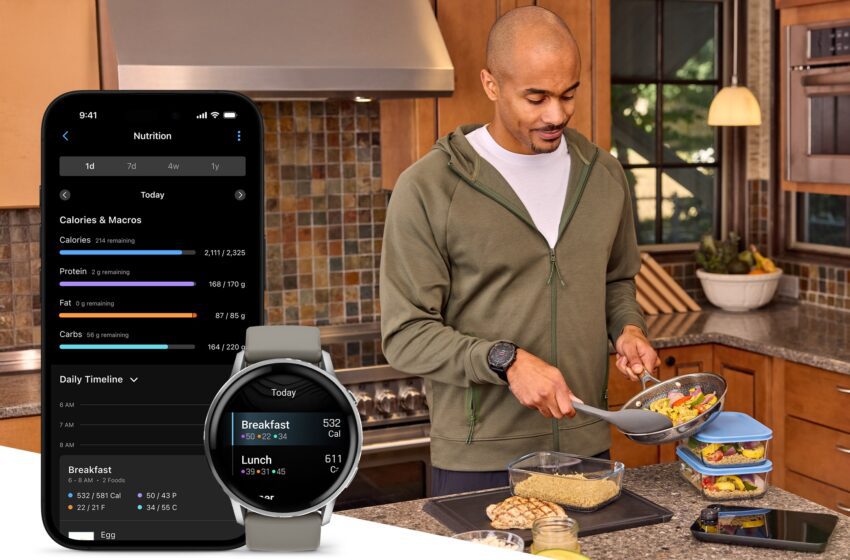
The addition of nutrition tracking marks a significant step for Garmin, a company primarily known for its GPS technology and fitness tracking devices. This feature allows users to monitor their caloric intake and macronutrient distribution, including proteins, fats, and carbohydrates. Garmin describes this functionality as providing “Active Intelligence insights,” which aim to assist users in reaching their nutrition goals more effectively.
How Nutrition Tracking Works
Users can log their food intake through various methods, making the process both flexible and user-friendly. The Garmin Connect app provides access to a global food database that encompasses a wide range of food items, including packaged goods, restaurant offerings, and regional specialties. This extensive database is designed to cater to diverse dietary preferences and needs, ensuring that users can find the foods they consume regularly.
In addition to searching the food database, users can also log their meals by scanning barcodes or using their smartphone cameras. This feature simplifies the tracking process, allowing for quick and accurate entry of food items. The ability to scan barcodes is particularly beneficial for users who consume a lot of packaged foods, as it eliminates the need for manual entry and reduces the likelihood of errors.
Integration with Garmin Devices
Compatible Garmin smartwatches will also support this new nutrition tracking feature. Users can access a quick overview of their nutrition data directly from their wrist, making it easier to stay informed about their dietary habits throughout the day. This integration exemplifies Garmin’s commitment to providing a holistic approach to health and fitness, combining physical activity tracking with nutritional insights.
Benefits of Nutrition Tracking
The introduction of nutrition tracking within the Garmin ecosystem offers several benefits for users. First and foremost, it empowers individuals to take control of their dietary habits. By tracking calories and macronutrients, users can make informed decisions about their food choices, which is essential for achieving specific health and fitness goals.
Supporting Weight Management
For those looking to lose weight, understanding caloric intake is crucial. The nutrition tracking feature allows users to set personalized goals based on their weight loss targets. By monitoring their food consumption, users can create a caloric deficit necessary for weight loss. Conversely, individuals aiming to gain weight can track their intake to ensure they are consuming enough calories to support muscle growth and overall health.
Enhancing Athletic Performance
Athletes and fitness enthusiasts can also benefit from this new feature. Proper nutrition is a cornerstone of athletic performance, and tracking macronutrients can help athletes optimize their diets for training and recovery. For example, endurance athletes may focus on carbohydrate intake to fuel their long workouts, while strength athletes might prioritize protein consumption to support muscle repair and growth.
Personalized Nutrition Insights
The Active Intelligence insights provided by Garmin can further enhance the user experience. These insights analyze users’ dietary habits and offer personalized recommendations based on their goals and activity levels. This feature can help users identify areas for improvement, such as increasing protein intake or reducing added sugars, ultimately leading to better overall health.
Context and Market Implications
The introduction of nutrition tracking comes at a time when health and wellness technology is rapidly evolving. Consumers are increasingly seeking comprehensive solutions that address both fitness and nutrition. Garmin’s move to integrate nutrition tracking into its platform reflects a broader trend in the industry, where companies are recognizing the importance of a holistic approach to health.
Competitors in the fitness tracking space, such as Fitbit and Apple, have long offered nutrition tracking features. By adding this capability, Garmin aims to remain competitive and attract users who prioritize nutrition as part of their fitness journey. This strategic move could also help Garmin expand its user base, particularly among those who may have previously opted for other fitness tracking solutions.
Stakeholder Reactions
Initial reactions from users and industry experts have been largely positive. Many users appreciate the convenience of having nutrition tracking integrated into their existing Garmin ecosystem. The ability to access both fitness and nutrition data in one place is seen as a significant advantage, as it allows for a more comprehensive understanding of health and wellness.
Health and fitness professionals have also expressed enthusiasm about the potential impact of this feature. Nutritionists and dietitians often emphasize the importance of tracking food intake for individuals seeking to improve their health. The integration of nutrition tracking into a widely used fitness platform could encourage more users to adopt healthier eating habits.
Challenges and Considerations
While the new nutrition tracking feature offers numerous benefits, there are also challenges and considerations to keep in mind. One potential issue is the accuracy of the food database. Users may encounter discrepancies between the nutritional information provided in the database and the actual values of the foods they consume. Garmin will need to ensure that its database is regularly updated and maintained to provide the most accurate information possible.
Additionally, the effectiveness of nutrition tracking relies heavily on user engagement. Users must consistently log their food intake to see meaningful results. Garmin may need to implement strategies to encourage regular use of the feature, such as reminders or gamification elements that reward users for consistent tracking.
Future Developments
As Garmin continues to develop its nutrition tracking capabilities, there are several potential enhancements that could further improve the user experience. For instance, incorporating meal planning tools could help users create balanced meals that align with their nutritional goals. Additionally, integrating social features that allow users to share their progress and recipes with friends could foster a sense of community and support.
Moreover, Garmin could explore partnerships with nutrition-focused apps or services to enhance the functionality of its nutrition tracking feature. Collaborations with registered dietitians or nutritionists could provide users with access to expert advice and personalized meal plans, further enriching the overall experience.
Conclusion
The addition of nutrition tracking to the Garmin Connect app represents a significant advancement for Garmin and its users. By providing tools to monitor caloric intake and macronutrient distribution, Garmin empowers individuals to take charge of their dietary habits and work towards their health and fitness goals. As the health technology landscape continues to evolve, Garmin’s commitment to integrating nutrition tracking into its platform positions the company as a leader in the industry, catering to the growing demand for comprehensive health solutions.
Source: Original report
Was this helpful?
Last Modified: January 6, 2026 at 6:36 am
7 views