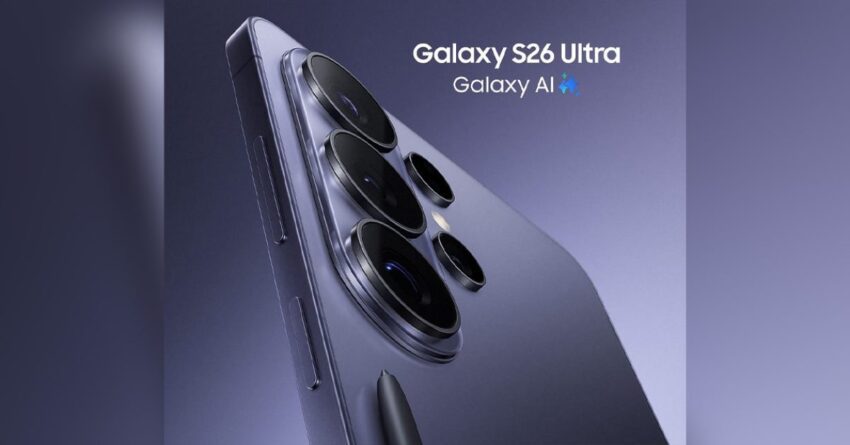
galaxy s26 is skipping built-in qi2 magnets Recent leaks indicate that the upcoming Galaxy S26 series may not introduce significant upgrades, particularly the anticipated inclusion of built-in Qi2 magnets.
galaxy s26 is skipping built-in qi2 magnets
Overview of the Galaxy S26 Series
The Galaxy S series has long been a flagship line for Samsung, known for its cutting-edge technology and innovative features. With each new iteration, consumers and tech enthusiasts alike eagerly anticipate enhancements that push the boundaries of smartphone capabilities. However, recent leaks suggest that the Galaxy S26 series may not deliver the substantial upgrades many had hoped for, particularly regarding wireless charging technology.
What are Qi2 Magnets?
Qi2 is the next generation of wireless charging technology, designed to improve the efficiency and convenience of charging devices without the need for physical connectors. One of the standout features of Qi2 is its use of magnets to align devices with charging pads, ensuring optimal charging efficiency. This technology is expected to enhance the user experience by making it easier to charge devices accurately and quickly.
The inclusion of built-in Qi2 magnets in smartphones would allow for seamless integration with various accessories, such as chargers and battery packs, further enhancing the ecosystem of wireless charging solutions. As consumers increasingly seek convenience and efficiency in their devices, the absence of this feature in the Galaxy S26 could be seen as a significant setback.
Recent Leaks and Their Implications
According to the latest leaks, the Galaxy S26 series will not feature the much-anticipated built-in Qi2 magnets. This revelation has led to disappointment among fans and industry observers, as many had expected Samsung to adopt this technology to stay competitive in the smartphone market. The phrase “my day is ruined and my disappointment is immeasurable” has been echoed across social media platforms, reflecting the sentiment of many who were looking forward to this advancement.
Comparative Analysis with Previous Models
Historically, Samsung has been at the forefront of adopting new technologies in its flagship devices. For instance, the Galaxy S21 series introduced wireless charging capabilities, while the Galaxy S22 series improved upon these features with faster charging speeds and enhanced compatibility with various accessories. The absence of Qi2 magnets in the Galaxy S26 raises questions about Samsung’s strategy and its commitment to innovation.
In contrast, competitors like Apple have already integrated similar technologies into their devices. The iPhone 12 series, for example, introduced MagSafe, a magnetic alignment system that enhances the wireless charging experience. As a result, the Galaxy S26’s lack of Qi2 magnets could potentially hinder its competitiveness in a market where consumers are increasingly valuing such features.
Stakeholder Reactions
The reaction to the leaks surrounding the Galaxy S26 has been mixed among stakeholders, including consumers, industry analysts, and competitors. Many consumers have expressed their disappointment on social media platforms, voicing their concerns about the lack of innovation in the upcoming model. This sentiment is particularly pronounced among loyal Samsung users who have come to expect significant advancements with each new release.
Industry analysts have also weighed in on the implications of this decision. Some believe that Samsung may be prioritizing other features or enhancements that have not yet been revealed, while others speculate that the company may be taking a more conservative approach in response to market conditions. The smartphone market has become increasingly saturated, leading some manufacturers to focus on incremental improvements rather than groundbreaking changes.
Potential Reasons for Skipping Qi2 Magnets
While the exact reasons for Samsung’s decision to forego built-in Qi2 magnets in the Galaxy S26 remain unclear, several factors could be influencing this choice:
- Cost Considerations: Integrating new technology often comes with increased production costs. Samsung may be opting to keep the price point of the Galaxy S26 competitive by avoiding additional expenses associated with Qi2 integration.
- Market Research: Samsung may have conducted market research indicating that consumers prioritize other features over wireless charging enhancements. If consumers are more interested in camera quality, battery life, or processing power, Samsung may be focusing its resources accordingly.
- Technical Challenges: There may be technical hurdles associated with integrating Qi2 magnets into the Galaxy S26 that Samsung has yet to overcome. These challenges could include ensuring compatibility with existing accessories or addressing potential interference with other technologies.
Future of Wireless Charging Technology
Despite the disappointment surrounding the Galaxy S26’s lack of Qi2 magnets, the future of wireless charging technology remains promising. The Qi2 standard is expected to gain traction in the coming years, with more manufacturers likely to adopt this technology in their devices. As consumer demand for efficient and convenient charging solutions continues to grow, it is likely that future iterations of Samsung’s flagship devices will eventually incorporate these advancements.
Consumer Expectations
As technology continues to evolve, consumer expectations are also changing. Today’s smartphone users are not only looking for devices that perform well but also those that offer seamless integration with their lifestyles. The demand for wireless charging solutions is on the rise, and consumers are increasingly seeking devices that can accommodate these needs.
Samsung will need to carefully consider these expectations as it develops future models. The absence of Qi2 magnets in the Galaxy S26 may serve as a wake-up call for the company to reevaluate its strategy and ensure that it remains competitive in a rapidly changing market.
Conclusion
The latest leaks surrounding the Galaxy S26 series suggest that the upcoming flagship may not deliver the significant upgrades many had anticipated, particularly regarding the absence of built-in Qi2 magnets. As consumers express their disappointment, industry analysts are left to speculate on the implications of this decision. While the future of wireless charging technology remains bright, Samsung will need to address consumer expectations and market demands to maintain its position as a leader in the smartphone industry.
Source: Original report
Was this helpful?
Last Modified: February 3, 2026 at 1:44 am
4 views