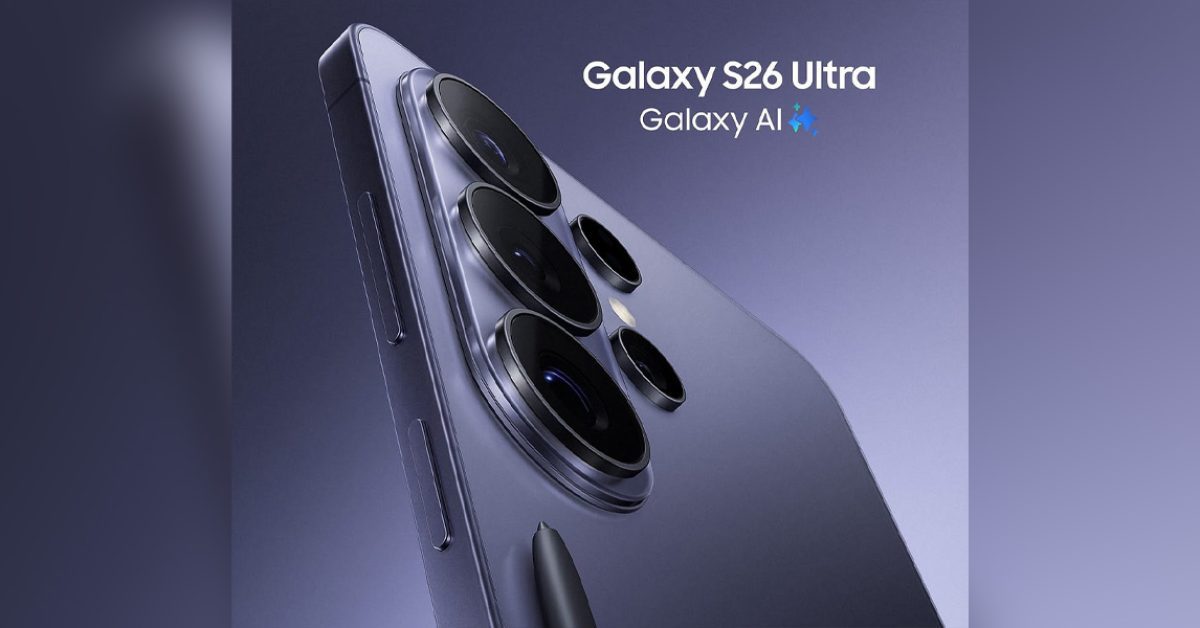
galaxy s26 is likely skipping built-in qi2 Recent leaks suggest that the upcoming Galaxy S26 series may not feature built-in Qi2 magnets, a significant change that many anticipated.
galaxy s26 is likely skipping built-in qi2
Overview of the Galaxy S26 Series
The Galaxy S26 series, expected to be unveiled in early 2026, has been the subject of much speculation and anticipation among tech enthusiasts and consumers alike. Samsung’s flagship smartphone line typically garners attention for its innovative features and cutting-edge technology. However, recent leaks indicate that the S26 may not deliver the substantial upgrades that many were hoping for.
What is Qi2 Technology?
Qi2 is an advanced wireless charging standard that aims to enhance the efficiency and convenience of charging devices. The technology is designed to improve alignment between the charger and the device, allowing for faster charging speeds and more reliable connections. One of the key features of Qi2 is the introduction of magnets that help align the device with the charging pad, ensuring optimal charging performance. This innovation has been particularly well-received in the smartphone market, with many manufacturers adopting it for their latest models.
Leaked Information on the Galaxy S26
According to the latest leaks, the Galaxy S26 series will likely skip the integration of built-in Qi2 magnets. This news has disappointed many fans who were looking forward to the enhanced charging capabilities that Qi2 technology would bring. The absence of these magnets could mean that users will have to rely on traditional wireless charging methods, which may not offer the same level of efficiency and convenience.
Implications of Skipping Qi2 Magnets
The decision to forgo built-in Qi2 magnets could have several implications for the Galaxy S26 series:
- Charging Efficiency: Without Qi2 magnets, the alignment between the device and the charging pad may not be as precise, potentially leading to slower charging times and less efficient power transfer.
- User Experience: The ease of use that comes with magnetic alignment will be lost, making it more challenging for users to ensure their devices are charging correctly.
- Market Competitiveness: As competitors continue to adopt Qi2 technology, Samsung’s decision to skip this feature may hinder its competitiveness in the premium smartphone market.
Community Reactions
The reaction from the tech community has been largely negative regarding the potential omission of Qi2 magnets from the Galaxy S26 series. Many users and industry analysts have expressed their disappointment on social media platforms and tech forums. Comments such as “my day is ruined and my disappointment is immeasurable” reflect the sentiment among fans who were eagerly anticipating this feature.
Expert Opinions
Industry experts have weighed in on the implications of this decision. Some argue that while the absence of Qi2 magnets may not be a dealbreaker for all consumers, it does represent a missed opportunity for Samsung to innovate and differentiate itself from competitors. “In a market where every detail counts, skipping a feature that enhances user experience could be detrimental,” noted one tech analyst.
Comparative Analysis with Previous Models
To understand the potential impact of this decision, it is helpful to compare the Galaxy S26 with its predecessors. The Galaxy S25 series introduced several notable features, including improved camera technology and enhanced battery life. The addition of Qi2 magnets was seen as a logical next step in the evolution of the Galaxy line, especially given the growing popularity of wireless charging.
Consumer Expectations
Consumer expectations have shifted significantly in recent years, with many users now prioritizing features that enhance convenience and usability. The integration of Qi2 technology was anticipated as a response to these evolving demands. By skipping this feature, Samsung may risk alienating a segment of its customer base that values cutting-edge technology and seamless user experiences.
Potential Alternatives and Future Developments
While the absence of built-in Qi2 magnets is disappointing, it is essential to consider what alternatives Samsung may offer in the Galaxy S26 series. The company has a history of innovation and may introduce other features that could compensate for this omission.
Possible Features in the Galaxy S26
Although specific details remain scarce, there are several features that could be included in the Galaxy S26 series:
- Enhanced Camera Capabilities: Samsung has consistently focused on improving camera technology, and the S26 may include advanced imaging features that appeal to photography enthusiasts.
- Improved Battery Life: Battery performance is a critical factor for many users, and Samsung may prioritize enhancements in this area to offset the lack of Qi2 magnets.
- Software Innovations: The S26 may come with new software features or optimizations that enhance overall performance and user experience.
Market Context and Competitive Landscape
The smartphone market is highly competitive, with numerous manufacturers vying for consumer attention. As companies like Apple and Google continue to innovate and introduce new features, Samsung must remain vigilant to retain its market share. The decision to skip Qi2 magnets could be viewed as a strategic misstep, especially as other brands embrace this technology.
Future of Wireless Charging
Wireless charging technology is rapidly evolving, and the introduction of Qi2 is just one example of how manufacturers are adapting to consumer needs. As the demand for faster and more efficient charging solutions continues to grow, it is likely that we will see further advancements in this area. Samsung’s decision to omit Qi2 magnets may prompt a reevaluation of its strategy in the wireless charging space.
Conclusion
The leaks surrounding the Galaxy S26 series suggest that the anticipated inclusion of built-in Qi2 magnets may not materialize, leading to disappointment among fans and industry analysts alike. While the absence of this feature could impact charging efficiency and user experience, it remains to be seen what alternatives Samsung may offer in the upcoming release. As the smartphone market continues to evolve, Samsung will need to navigate these challenges carefully to maintain its competitive edge.
Source: Original report
Was this helpful?
Last Modified: February 3, 2026 at 2:42 pm
0 views