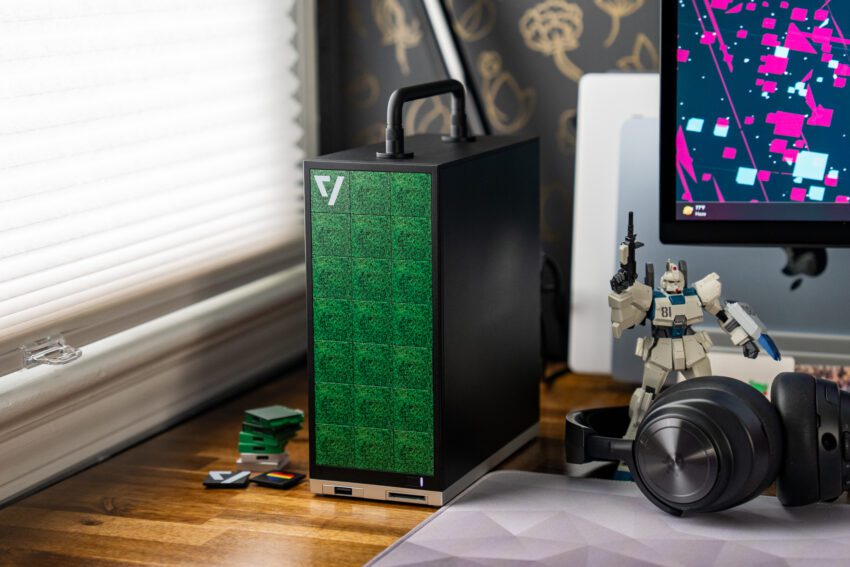
framework hikes desktop pc prices as ram Framework has announced a price increase for its desktop PCs, citing ongoing global memory shortages as the driving factor behind the decision.
framework hikes desktop pc prices as ram
Price Adjustments in Response to Market Conditions
In a recent update, Framework revealed that it would be raising the price of its desktop PCs, a move that follows a similar increase in the cost of its RAM modules just weeks prior. The Framework Desktop, equipped with 32GB of RAM and powered by the AMD Ryzen AI Max 385 chip, will now start at $1,139, up from the previous price of $1,099. This adjustment reflects the company’s need to align its pricing with the rising costs of components, particularly LPDDR5x memory, which has seen significant price hikes from suppliers.
Framework’s Statement on Pricing Changes
Framework addressed the price increase in a post on X (formerly Twitter), stating, “We held off on it for as long as we could, but we had to update our Framework Desktop pricing today to account for the massive increase in LPDDR5x pricing from our suppliers.” The company emphasized that the price adjustments are strictly to cover the increased costs of materials, rather than to generate additional profit. This transparency is a hallmark of Framework’s communication with its customers, reflecting its commitment to maintaining trust and clarity in its business practices.
The Context of the Global Memory Shortage
The decision to raise prices comes amid a broader context of supply chain disruptions affecting the technology sector. The global memory shortage, which has been exacerbated by various factors including increased demand for electronic devices during the pandemic, geopolitical tensions, and manufacturing challenges, has led to significant fluctuations in component prices. This shortage has impacted not only Framework but also a wide array of technology companies, from major manufacturers to smaller startups.
Implications for Consumers
For consumers, the price increase may pose challenges, particularly for those looking to purchase high-performance computing solutions. As prices rise, potential buyers may need to reconsider their budgets or explore alternative options. The increase in the cost of the Framework Desktop could also lead to a ripple effect in the market, influencing pricing strategies among competitors and potentially leading to higher costs across the board for similar products.
Framework’s Position in the Market
Framework has positioned itself as a leader in the modular and repairable PC market, emphasizing sustainability and user empowerment. The company’s approach allows users to upgrade and repair their devices easily, which is a stark contrast to the trend of increasingly disposable technology. This focus on modularity not only appeals to environmentally conscious consumers but also provides a practical solution to the challenges posed by component shortages.
Consumer Reactions and Stakeholder Perspectives
Reactions from consumers have been mixed. Some users express understanding of the necessity for price adjustments given the current market conditions, while others voice frustration over the rising costs of technology. The sentiment reflects a broader anxiety among consumers regarding inflation and the increasing cost of living, which has made discretionary spending more challenging.
Stakeholders within the tech industry are also closely monitoring Framework’s pricing strategy. Analysts suggest that the company’s decision to increase prices could set a precedent for other manufacturers facing similar supply chain issues. If Framework’s approach proves successful in maintaining sales despite higher prices, it may encourage other companies to adopt a similar strategy, potentially leading to a new pricing landscape in the tech industry.
Future Outlook for Framework and the Tech Industry
Looking ahead, the future of Framework and the broader tech industry remains uncertain. The ongoing memory shortage is expected to persist, with industry experts predicting that it may take several months, if not longer, for supply chains to stabilize. As a result, companies may need to continue adjusting their pricing strategies to reflect the realities of the market.
Potential for Innovation
Despite the challenges posed by rising costs, there is potential for innovation within the industry. Companies like Framework may be prompted to explore alternative sourcing strategies, invest in new technologies, or develop partnerships that could mitigate the impact of supply chain disruptions. Additionally, the emphasis on sustainability and repairability may drive further innovation in product design, as consumers increasingly seek out devices that align with their values.
Conclusion
Framework’s decision to raise the price of its desktop PCs underscores the significant impact of global supply chain issues on the technology market. As the company navigates these challenges, it remains committed to transparency and customer engagement. The implications of this price increase extend beyond Framework, potentially influencing the pricing strategies of other tech companies and shaping the future landscape of the industry. As consumers and stakeholders adapt to these changes, the focus on sustainability and modularity may continue to gain traction, paving the way for a more resilient and innovative tech ecosystem.
Source: Original report
Was this helpful?
Last Modified: January 13, 2026 at 3:39 pm
3 views