four astronauts are now inexorably bound for The Orion spacecraft has successfully initiated a critical phase of its mission, propelling four astronauts toward a lunar flyby.
four astronauts are now inexorably bound for
Successful Launch and Engine Burn
On Thursday, the Orion spacecraft executed a pivotal maneuver by firing its main engine for an impressive duration of 5 minutes and 50 seconds. This operation was essential in placing the spacecraft on a free-return trajectory around the Moon, marking a significant milestone for both NASA and the Artemis II crew members. This trajectory is particularly noteworthy as it signifies a point of no return for the astronauts, who will be on this path for more than a week.
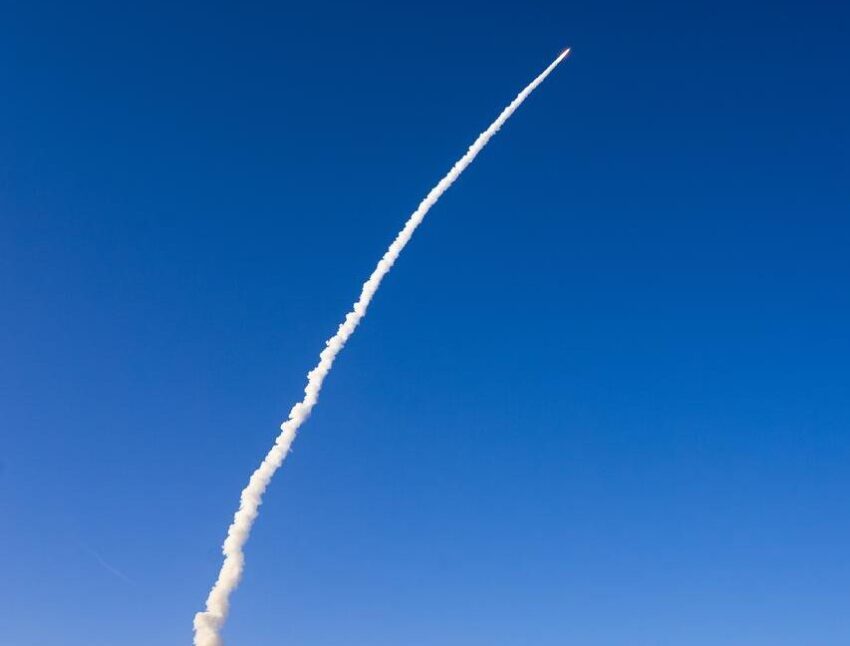
The “translunar injection” burn took place approximately one day after the successful launch of the mission aboard NASA’s Space Launch System (SLS) rocket from Kennedy Space Center. This launch, which occurred on Wednesday, was a culmination of years of preparation and testing, showcasing NASA’s commitment to returning humans to the Moon and eventually paving the way for future Mars missions.
Historical Context of Human Spaceflight
The significance of this mission extends beyond the technical achievements of the Orion spacecraft. For most Americans—and indeed, about three-quarters of the global population—this event represents a historic moment as it marks the first time humans have ventured beyond low-Earth orbit since 1972. The last crewed mission to the Moon was Apollo 17, which concluded the Apollo program and left a lasting legacy in space exploration.
The Artemis II mission aims to rekindle public interest in lunar exploration and demonstrate the capabilities of modern space technology. The astronauts aboard Orion are not only following in the footsteps of the Apollo astronauts but are also setting the stage for a new era of exploration that includes sustainable lunar presence and potential missions to Mars.
Mission Objectives and Timeline
The Artemis II mission is designed to test the Orion spacecraft’s systems and capabilities in a deep-space environment. The crew will conduct a series of maneuvers and experiments to ensure the spacecraft is fully operational for future missions, including Artemis III, which aims to land astronauts on the lunar surface.
Key Mission Phases
- Launch: The mission commenced with the launch of the SLS rocket, which is the most powerful rocket ever built, designed to carry astronauts beyond low-Earth orbit.
- Translunar Injection: The successful engine burn placed Orion on a trajectory toward the Moon, enabling the crew to experience the effects of lunar gravity.
- Lunar Flyby: The spacecraft will fly around the Moon, allowing the crew to gather data and assess the spacecraft’s performance in a deep-space environment.
- Return to Earth: Following the lunar flyby, Orion will slingshot back toward Earth and is scheduled to splash down in the Pacific Ocean on Friday, April 10.
Implications for Future Space Exploration
The Artemis II mission is not just a test flight; it is a crucial step in NASA’s broader Artemis program, which aims to establish a sustainable human presence on the Moon by the end of the decade. This initiative is part of a larger vision that includes sending astronauts to Mars in the 2030s.
By successfully completing this mission, NASA will gather invaluable data regarding the performance of the Orion spacecraft and the SLS rocket, which will inform future missions. The lessons learned from Artemis II will be critical in ensuring the safety and success of subsequent missions, particularly those that aim to land astronauts on the lunar surface.
International Collaboration and Stakeholder Reactions
The Artemis program has garnered significant interest and support from international partners, including the European Space Agency (ESA), which has contributed the European Service Module for the Orion spacecraft. This collaboration underscores the global interest in lunar exploration and the potential for international partnerships in future space endeavors.
Reactions from stakeholders have been overwhelmingly positive, with many expressing excitement about the implications of the Artemis II mission. NASA Administrator Bill Nelson remarked, “This mission is a major step toward returning humans to the Moon and establishing a sustainable presence there. We are excited to see our astronauts embark on this historic journey.”
Public interest in the mission is also high, with many viewing it as a revival of human space exploration. The Artemis II crew, which includes astronauts from diverse backgrounds, is being celebrated as a symbol of progress in the field of space exploration.
Challenges Ahead
While the successful engine burn and trajectory adjustment are significant achievements, challenges remain. The mission will require precise navigation and coordination to ensure the spacecraft remains on its intended path. Additionally, the crew will need to adapt to the unique conditions of space travel, including microgravity and radiation exposure.
NASA has implemented rigorous training protocols to prepare the astronauts for these challenges. The crew has undergone extensive simulations and exercises to familiarize themselves with the spacecraft’s systems and emergency procedures. This preparation is crucial for ensuring the safety and success of the mission.
Public Engagement and Education
The Artemis II mission also presents an opportunity for public engagement and education. NASA has launched various initiatives to involve the public in the mission, including live broadcasts of key events and educational programs aimed at inspiring the next generation of scientists and engineers.
By sharing the journey of the Artemis II crew, NASA hopes to foster a sense of connection between the public and the mission. This engagement is vital for building support for future space exploration initiatives and encouraging young people to pursue careers in STEM fields.
Conclusion
The successful launch and engine burn of the Orion spacecraft represent a monumental achievement in human space exploration. As the Artemis II crew embarks on their journey around the Moon, they are not only following in the footsteps of their Apollo predecessors but are also paving the way for a new era of exploration that includes sustainable lunar missions and potential journeys to Mars.
The implications of this mission extend far beyond the immediate goals of lunar exploration. The data gathered and the experiences gained will inform future missions and contribute to our understanding of deep-space travel. As humanity stands on the brink of a new chapter in space exploration, the Artemis II mission serves as a reminder of our enduring quest to explore the cosmos.
Source: Original report
Was this helpful?
Last Modified: April 3, 2026 at 3:35 pm
2 views