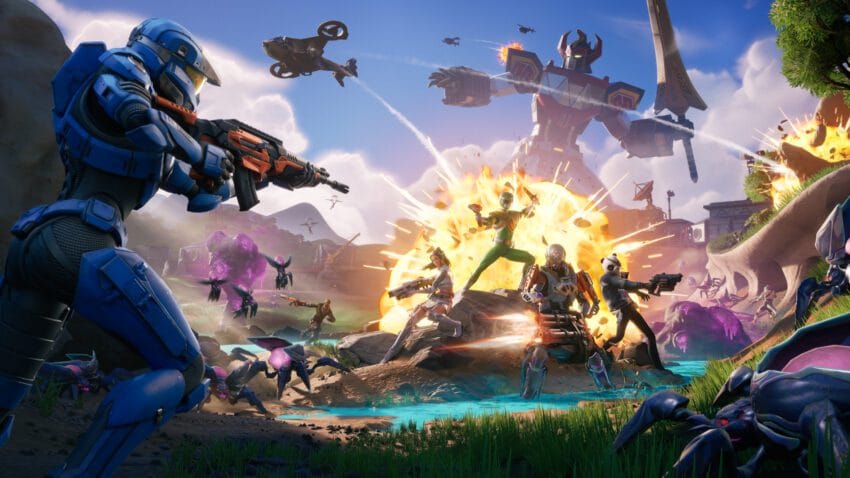
fortnite creators will soon be able to Epic Games is set to enhance the Fortnite experience by allowing creators to sell in-game items directly from their custom islands, a move aimed at transforming the game into a broader platform beyond its battle royale roots.
fortnite creators will soon be able to
New Revenue Opportunities for Creators
Starting in December, Fortnite creators will gain the ability to monetize their creations through the sale of in-game items. This initiative is part of Epic’s ongoing strategy to establish Fortnite as a multifaceted platform, similar to Roblox, where user-generated content plays a significant role in the overall ecosystem. Currently, creators primarily earn revenue based on engagement metrics, but this new feature will provide them with a direct revenue stream.
Epic Games has announced that creators will typically earn “50 percent of the V-Bucks value from sales in their islands.” However, to incentivize participation, this percentage will temporarily rise to 100 percent through 2026. This approach is designed to encourage more developers to engage with the platform and create unique content.
Understanding V-Bucks Value
The calculation of “V-Bucks value” is complex and involves several factors. Epic explains that to determine the V-Bucks value in U.S. dollars for a given month, the company will take the total amount of real-money spending by customers to purchase V-Bucks (converted to U.S. dollars), subtract platform and store fees, and then divide this figure by the total V-Bucks spent by players. The fees vary, with the Epic Games Store charging around 12 percent, while console platforms can charge up to 30 percent. Currently, Fortnite’s average platform and store fees hover around 26 percent.
To put this into perspective, earning 50 percent of the V-Bucks value translates to approximately 37 percent of retail spending, while earning 100 percent translates to about 74 percent. This model aims to ensure that creators are fairly compensated for their contributions while allowing Epic to maintain its business operations.
Tools for Creation and Monetization
In addition to the new revenue model, Epic will provide creators with advanced tools to facilitate the creation of in-game items. Creators will have access to a Verse-based API and new Unreal Editor for Fortnite (UEFN) tools, enabling them to design and offer both durable and consumable items within their games. Specific details regarding these tools are expected to be released soon, allowing creators to better understand how to implement them effectively.
Enhancing Visibility Through Sponsored Content
To further support creators, Epic will introduce a “sponsored” row in Fortnite’s discover feed in November. This feature will allow creators to invest in increased visibility for their islands, making it easier for players to discover new content. This move aligns with Epic’s goal of fostering a vibrant community where creators can thrive.
Additionally, a community tool will be launched, enabling creators to communicate more directly with players. This tool will facilitate sharing updates and soliciting feedback, creating a more interactive environment between creators and their audience. This two-way communication is essential for fostering a community that feels engaged and valued.
Epic’s Revenue Model and Operational Costs
While creators will benefit from these new monetization options, it is important to note that Epic Games will also take a cut from both the sponsored row and user-created item sales. The company has stated that it has been “operating the business at a loss,” and the revenue generated will help cover various operational costs. These include server hosting, safety and moderation efforts, research and development, and other essential expenses associated with maintaining the Fortnite ecosystem.
Contextualizing the Announcement
This announcement is part of a broader trend in which Epic Games is expanding Fortnite from a single popular shooter into a comprehensive platform for various types of games and experiences. The shift began in earnest at the end of 2023 with the introduction of Epic-created games like Lego Fortnite and Fortnite Festival. These initiatives have been well-received and have contributed to the growing diversity of content available within the Fortnite universe.
Since then, Epic has introduced additional creator tools, including the ability to develop first-person shooters and the incorporation of AI characters. These enhancements not only enrich the gameplay experience but also empower creators to experiment with new ideas and concepts, ultimately leading to a more dynamic gaming environment.
Creator Earnings and Community Engagement
As of early 2024, Epic Games reported that it had paid out $352 million to creators, with user-generated games accounting for more than 36 percent of the total time spent in Fortnite. This statistic underscores the importance of user-generated content in the overall ecosystem and highlights the potential for creators to earn significant revenue through their contributions. As of the latest update, the total amount paid out to creators has reached an impressive $722 million.
This financial support not only incentivizes creators to produce high-quality content but also fosters a sense of community among players. When creators are rewarded for their efforts, they are more likely to invest time and resources into their projects, resulting in a richer and more engaging experience for players.
Implications for the Gaming Industry
The introduction of a monetization model for creators in Fortnite could have far-reaching implications for the gaming industry as a whole. As more platforms adopt similar models, we may see a shift in how games are developed and monetized. This could lead to a greater emphasis on user-generated content and community engagement, as developers recognize the value of fostering a creative ecosystem.
Moreover, the ability for creators to earn a living through their work could attract a new wave of talent to the gaming industry. Aspiring developers, artists, and designers may be more inclined to enter the field if they see a viable path to financial success through their creations. This influx of creativity could lead to innovative game designs and experiences that push the boundaries of what is possible in gaming.
Conclusion
Epic Games’ decision to allow Fortnite creators to sell in-game items marks a significant step in the evolution of the platform. By providing new revenue opportunities and advanced tools for creation, Epic is not only empowering its community of creators but also positioning Fortnite as a leading platform for user-generated content. As the gaming landscape continues to evolve, the success of this initiative could influence other developers to adopt similar strategies, ultimately reshaping the future of gaming.
Source: Original report
Was this helpful?
Last Modified: September 18, 2025 at 6:39 pm
8 views