formula 1 is deploying new jargon for Formula 1 is set to introduce a new lexicon alongside significant technical changes for the 2026 season.
formula 1 is deploying new jargon for
Introduction to Formula 1 Jargon
Formula 1 has long been known for its unique terminology, often leaving casual fans bewildered by the sport’s intricate language. Terms like “box” for pit stop and “power unit” for the engine and hybrid system are just the tip of the iceberg. The sport’s reliance on specialized jargon extends to aerodynamics, where phrases such as “outwash” and “dirty air” are commonplace. As the 2026 season approaches, a substantial technical overhaul is on the horizon, prompting the introduction of new terminology that will further enrich the lexicon of Formula 1.
Upcoming Technical Changes for 2026
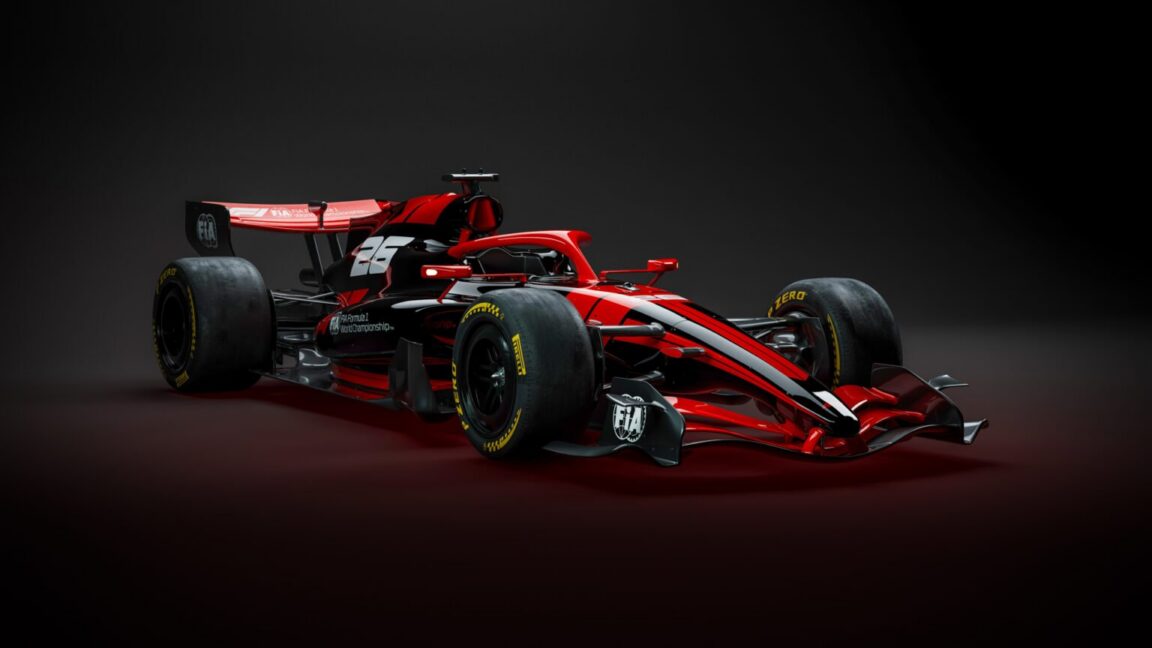
The 2026 season will witness a series of modifications to the cars that will impact their performance and design. These changes are not merely cosmetic; they reflect a broader strategy aimed at enhancing competition and sustainability within the sport. The new regulations will result in cars that are slightly narrower and lighter than their predecessors, which have been racing until recently.
Specifications of the 2026 Cars
One of the most notable changes is the reduction in minimum weight. The new cars will weigh 30 kg less than the previous models, bringing the minimum weight down to 724 kg. This reduction is significant, as it will affect the handling and speed of the cars on the track. Additionally, the wheelbase will be shortened by 200 mm, now measuring 3,400 mm. This change is expected to enhance maneuverability, allowing drivers to navigate corners more effectively.
The underfloor of the car will also see a reduction, being 150 mm narrower than before. This adjustment is crucial for aerodynamics, as the underfloor plays a vital role in generating downforce. A narrower underfloor may lead to changes in airflow dynamics, impacting how teams design their cars to optimize performance.
Innovations in Wing Design
Another significant change is in the design of the wings. The front wing will now be 100 mm narrower and will consist of only two elements. This is a departure from previous designs, which often featured more complex wing structures. The simplification of the front wing is accompanied by the introduction of an active wing system for the first time in Formula 1 history. This active front wing will work in conjunction with a three-element active rear wing, which has been utilized since the introduction of the Drag Reduction System (DRS) in 2011.
The active wings represent a philosophical shift in how aerodynamic elements function during a race. Traditionally, wings have been static components, but the introduction of active systems allows for real-time adjustments based on various factors, such as speed and track conditions. This innovation could lead to more dynamic racing, as drivers will have the ability to optimize their aerodynamic performance on the fly.
Understanding the New Terminology
With these technical changes comes a new set of terms that fans and commentators will need to familiarize themselves with. The shift from established terms like DRS to “Boost mode” is indicative of a broader trend in the sport. Boost mode refers to a temporary increase in power output, which can be crucial during overtaking maneuvers or when defending position on the track.
The Concept of Boost Mode
Boost mode is designed to provide drivers with an extra edge, allowing them to maximize their performance during critical moments in a race. This feature will likely be integrated into the power unit’s management system, enabling drivers to activate it strategically. The implications of Boost mode extend beyond mere speed; it introduces a tactical element to racing, as drivers will need to decide when to deploy this additional power for maximum effect.
Impact on Race Strategy
The introduction of Boost mode will undoubtedly influence race strategies. Teams will need to develop new tactics around its use, considering factors such as tire wear, fuel consumption, and track position. The ability to temporarily enhance performance could lead to more aggressive overtaking attempts and defensive maneuvers, ultimately resulting in more exciting races for fans.
Stakeholder Reactions
The upcoming changes have elicited a range of reactions from stakeholders within the sport. Teams, drivers, and fans are all weighing in on the implications of the new regulations and terminology. Some stakeholders view these changes as a necessary evolution of the sport, aimed at enhancing competition and sustainability.
Team Perspectives
From the perspective of the teams, the technical changes present both challenges and opportunities. Teams will need to adapt quickly to the new regulations, which may require significant investment in research and development. The introduction of active wings and Boost mode will necessitate a reevaluation of car design and engineering strategies.
Some teams may find themselves at an advantage due to their existing technological capabilities, while others may struggle to keep pace. This disparity could lead to a more pronounced competitive landscape, with some teams excelling under the new rules while others face difficulties.
Driver Insights
Drivers are also expressing their thoughts on the upcoming changes. Many see the introduction of Boost mode as an exciting development that could enhance the racing experience. However, there are concerns about the potential for increased complexity in managing the car’s performance during a race. The need for drivers to make quick decisions regarding the use of Boost mode could add an additional layer of pressure during already intense race conditions.
Fan Reactions
Fans have been vocal about their anticipation for the 2026 season. The prospect of new terminology and technical innovations has generated buzz within the community. Many fans are eager to see how these changes will affect the dynamics of racing and whether they will lead to more competitive and thrilling races.
Conclusion: A New Era for Formula 1
The 2026 season marks a pivotal moment in Formula 1, as the sport embraces a new set of regulations and terminology that will shape its future. The introduction of lighter, narrower cars, along with active wing systems and Boost mode, signals a commitment to innovation and sustainability. As teams and drivers prepare for these changes, the excitement among fans continues to grow.
As the sport evolves, so too does its language. The shift from established terms to new jargon reflects the dynamic nature of Formula 1, where technology and competition are in constant flux. The 2026 season promises to be a thrilling chapter in the history of the sport, and fans will undoubtedly be eager to engage with the new terminology and witness the impact of these changes on the track.
Source: Original report
Was this helpful?
Last Modified: December 18, 2025 at 9:37 pm
2 views