fear and blogging and prerelease laptop testing At CES, a pre-production laptop from Asus proved to be a surprisingly effective workhorse despite its unreleased hardware.
fear and blogging and prerelease laptop testing
Introduction to the Asus Zenbook A16
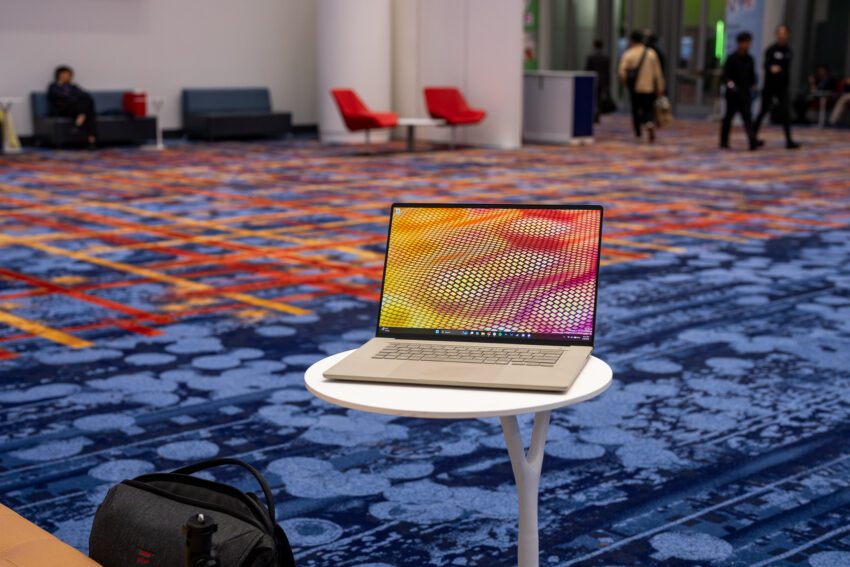
As the Consumer Electronics Show (CES) unfolds in Las Vegas, it becomes a bustling hub for technology enthusiasts, journalists, and industry insiders. Amidst the chaos of this multiday event, I made the unconventional decision to rely on a pre-production laptop as my primary device. The Asus Zenbook A16, equipped with the cutting-edge Snapdragon X2 processor, was my chosen workhorse. This 16-inch laptop, which weighs less than a 13-inch MacBook Air, promised a blend of portability and performance. However, bringing an unreleased device into such a high-pressure environment raised concerns about its reliability and functionality.
The Snapdragon X2 Processor
The heart of the Zenbook A16 is its Snapdragon X2 Elite Extreme X2E-94-100 chip. This processor is part of Qualcomm’s latest advancements in Arm-based computing, designed to deliver high performance while maintaining energy efficiency. The Snapdragon X2 aims to compete with traditional x86 processors, offering a new paradigm for Windows laptops. The architecture is built to handle demanding tasks, from content creation to gaming, while also providing a longer battery life, which is crucial for users on the go.
Performance Expectations
Given the device’s pre-production status, expectations were tempered. Historically, early iterations of hardware can exhibit various issues, from software bugs to hardware malfunctions. However, the initial performance of the Zenbook A16 was surprisingly robust. Tasks such as web browsing, document editing, and media consumption were handled with relative ease. The Snapdragon X2’s architecture allows for efficient multitasking, which is essential during an event like CES, where time is of the essence.
Design and Usability
The Zenbook A16 features a sleek design that is both modern and functional. Its lightweight construction makes it easy to carry around the expansive CES venue, where every ounce counts. The 16-inch display offers ample screen real estate, making it suitable for various tasks, from writing articles to reviewing presentations. The keyboard is comfortable, with good travel and feedback, which is essential for long typing sessions. Additionally, the trackpad is responsive, further enhancing the overall user experience.
Challenges Faced During CES
While the Zenbook A16 performed admirably in many respects, it was not without its challenges. As with any pre-production device, there were occasional glitches that reminded me of its unfinished status. These issues ranged from minor software bugs to unexpected crashes, which are not uncommon in devices that have not yet reached their final form. However, these hiccups were manageable and did not significantly hinder my ability to work effectively.
Battery Life Considerations
One of the standout features of the Snapdragon X2 processor is its energy efficiency. During CES, I found that the battery life of the Zenbook A16 was impressive, lasting through long days filled with meetings and presentations. This is particularly noteworthy given the demands of the event, where constant usage can quickly drain a device’s battery. The ability to work without constantly searching for an outlet was a significant advantage, allowing me to focus on the tasks at hand rather than worrying about power management.
Stakeholder Reactions and Industry Implications
The introduction of the Asus Zenbook A16 with the Snapdragon X2 processor has implications that extend beyond individual user experiences. Industry stakeholders, including competitors and analysts, are closely watching how this device performs in real-world scenarios. The success of Arm-based laptops could signal a shift in the market, challenging the dominance of traditional x86 architecture.
Market Trends
As more manufacturers explore Arm-based solutions, the landscape of personal computing may undergo significant changes. With the growing demand for devices that offer both performance and portability, the Zenbook A16 represents a step in the right direction. If successful, it could pave the way for more innovative designs and configurations in the future, encouraging other brands to invest in similar technologies.
Consumer Expectations
Consumer expectations are also evolving as they become more aware of the capabilities of Arm-based devices. Users are increasingly seeking laptops that can handle demanding applications while providing long battery life and lightweight designs. The Zenbook A16 addresses these needs, making it an attractive option for professionals who require reliable performance on the go.
Conclusion: A Promising Future
Despite the inherent risks of using a pre-production laptop at a high-stakes event like CES, my experience with the Asus Zenbook A16 was largely positive. The combination of its Snapdragon X2 processor, lightweight design, and impressive battery life made it a viable option for my needs. While there were some challenges, they were outweighed by the device’s strengths, which bode well for its future release.
As the tech community eagerly anticipates the official launch of the Zenbook A16, it will be interesting to see how it performs in the broader market. If Asus can iron out the remaining issues and deliver a polished final product, the Zenbook A16 could become a strong contender in the increasingly competitive laptop market, particularly among users seeking the advantages of Arm-based computing.
Source: Original report
Was this helpful?
Last Modified: January 17, 2026 at 10:42 pm
7 views