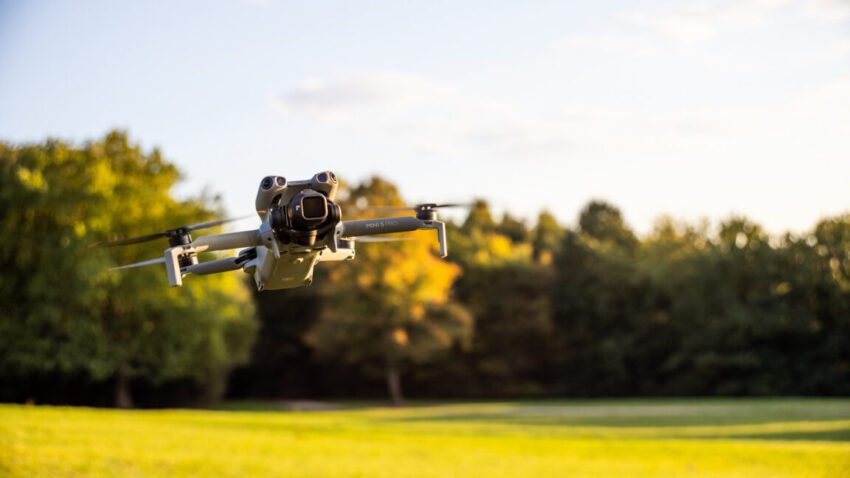
fcc s import ban on the best As of today, Americans are barred from purchasing the latest and most advanced drones due to a new import ban enacted by the Federal Communications Commission (FCC).
fcc s import ban on the best
Overview of the FCC’s Ban
On Monday, the FCC officially added drones to its Covered List, a roster of communications equipment and services that the agency has determined pose an unacceptable risk to national security. This list already includes various foreign companies, such as Kaspersky, ZTE, and Huawei, which have been scrutinized for their potential threats to U.S. security interests.
The decision to include drones in this list reflects growing concerns about the safety and security implications of foreign-made technology, particularly from countries that may not align with U.S. interests. The FCC’s action is part of a broader strategy to safeguard American infrastructure and citizens from potential espionage and cyber threats.
Implications of the Ban
The ramifications of this ban are significant for both consumers and the drone industry. For consumers, it means that popular brands and models, including those from leading manufacturers like DJI, will no longer be available for purchase in the U.S. market. This restriction could lead to a decrease in consumer choice and may also drive up prices for existing models that remain available.
For the drone industry, this ban could stifle innovation and competition. Many of the most advanced drones on the market today are produced by foreign companies, particularly those based in China. With the FCC’s ban in place, American consumers may miss out on cutting-edge technology that could enhance recreational and commercial drone usage.
Impact on Commercial Users
The commercial drone market, which has seen significant growth in recent years, is likely to be affected as well. Industries such as agriculture, construction, and logistics have increasingly relied on drones for tasks ranging from crop monitoring to aerial surveying. The inability to access the latest drone technology could hinder operational efficiency and innovation in these sectors.
Consumer Reactions
Consumer reactions to the ban have been mixed. Some individuals express concern over the potential loss of access to high-quality drones, particularly for hobbyists and professionals who rely on these devices for various applications. Others, however, support the ban as a necessary measure to protect national security.
Many consumers are particularly disappointed by the ban on DJI drones, which have been widely regarded as some of the best in the industry. DJI’s products are known for their advanced features, including high-resolution cameras, obstacle avoidance systems, and user-friendly interfaces. The absence of these drones from the U.S. market could lead to a void that may not be easily filled by domestic manufacturers.
Background on the FCC’s Decision
The FCC’s decision to expand its Covered List to include drones is not an isolated incident but rather part of a larger trend of increasing scrutiny on foreign technology. Over the past few years, U.S. lawmakers and regulatory bodies have raised alarms about the potential risks associated with foreign-made telecommunications and surveillance equipment.
Concerns have primarily centered around the possibility of espionage and data breaches. For instance, devices manufactured by companies with ties to foreign governments may be susceptible to hacking or unauthorized data access. As a result, the FCC and other agencies have taken proactive measures to mitigate these risks.
Legislative Context
The ban aligns with legislative efforts aimed at enhancing national security. In recent years, Congress has passed various bills aimed at restricting the use of foreign technology in critical infrastructure. These measures have garnered bipartisan support, reflecting a growing consensus on the need to protect American interests in an increasingly interconnected world.
Stakeholder Responses
Responses from stakeholders in the drone industry have been varied. Industry associations and advocacy groups have expressed concern over the potential negative impact of the ban on innovation and competition. They argue that restricting access to foreign technology could stifle growth in the drone sector and limit the development of new applications.
Some stakeholders have called for a more nuanced approach that balances national security concerns with the need for technological advancement. They advocate for a framework that allows for the continued use of foreign technology while implementing safeguards to mitigate risks.
Future of the Drone Market in the U.S.
The future of the drone market in the United States is now uncertain. With the FCC’s ban in effect, domestic manufacturers may face increased pressure to fill the gap left by foreign companies. However, developing competitive alternatives to established brands like DJI will require significant investment in research and development.
Opportunities for Domestic Manufacturers
While the ban poses challenges, it also presents opportunities for U.S.-based drone manufacturers. Companies that can innovate and produce high-quality drones may find a receptive market among consumers who are eager to support domestic products. Additionally, there may be increased demand for drones tailored to specific industries, such as agriculture and construction, which could drive growth in niche markets.
Potential for Regulatory Changes
As the situation evolves, there may be potential for regulatory changes in the future. The FCC’s decision could prompt discussions about the need for a more comprehensive approach to technology regulation that considers both security and innovation. Policymakers may explore ways to facilitate the safe use of foreign technology while ensuring that national security remains a top priority.
Conclusion
The FCC’s import ban on foreign-made drones marks a significant shift in the regulatory landscape for the drone industry in the United States. While the primary goal is to protect national security, the implications for consumers and the market are profound. As the industry grapples with these changes, the future of drone technology in the U.S. remains uncertain, with both challenges and opportunities on the horizon.
Source: Original report
Was this helpful?
Last Modified: December 24, 2025 at 3:37 am
1 views