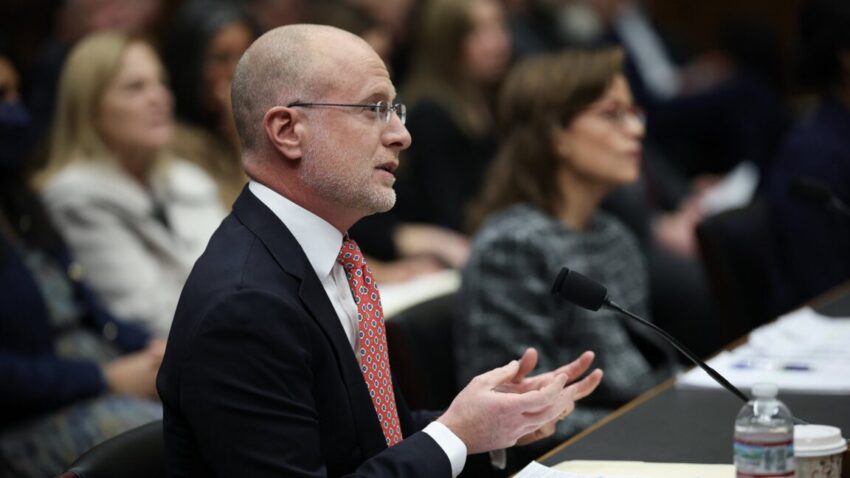
fcc aims to ensure only living and The Federal Communications Commission (FCC) is taking steps to implement new eligibility rules for the Lifeline program, aiming to ensure that only eligible living individuals receive benefits, amid allegations of improper distributions in California.
fcc aims to ensure only living and
Background on the Lifeline Program
Established in 1985, the Lifeline program was designed to provide financial assistance to low-income households, helping them afford essential telecommunications services. The program is a vital resource for millions of Americans, particularly those in underserved communities. It offers discounts on monthly phone and internet services, with eligible households receiving up to $9.25 per month, and up to $34.25 per month for residents in tribal areas. With nearly $1 billion spent annually, the program plays a crucial role in bridging the digital divide and ensuring that low-income individuals have access to communication services.
The Current Controversy
Recently, tensions have escalated between the FCC and California officials regarding the distribution of Lifeline benefits. FCC Chairman Brendan Carr has accused California of allowing deceased individuals to receive Lifeline benefits, a claim that has sparked significant debate. Carr’s proposal for new nationwide eligibility rules aims to address these concerns by ensuring that only “living and lawful Americans” who meet low-income criteria can access the program.
California’s Response
California officials have pushed back against Carr’s allegations, asserting that the claims are exaggerated. They argue that the issues stem from a “lag time between a death and account closure,” rather than systemic failures in the state’s Lifeline enrollment process. This response highlights the complexities involved in managing such a large-scale program, where administrative delays can lead to unintended consequences.
The California Public Utilities Commission (CPUC) has emphasized its commitment to maintaining the integrity of the Lifeline program. They have stated that they continuously monitor and update their processes to prevent any misuse of benefits. However, the ongoing dispute raises questions about the effectiveness of state-level oversight and the potential need for federal intervention.
Implications of Proposed Changes
The proposed changes to the Lifeline program eligibility rules have significant implications for low-income households across the country. If approved, these new rules could result in stricter eligibility criteria, potentially disqualifying many individuals who currently rely on Lifeline benefits. Critics, including the only Democratic commissioner on the FCC, have voiced concerns that Carr’s plan employs “cruel and punitive eligibility standards.” They argue that such measures could disproportionately affect vulnerable populations who are already struggling to make ends meet.
Stakeholder Reactions
The response from stakeholders has been mixed. Supporters of Carr’s proposal argue that it is necessary to ensure that taxpayer dollars are not being misused. They contend that the integrity of the Lifeline program must be preserved, and that implementing stricter eligibility requirements will help achieve that goal. However, opponents fear that these changes could lead to increased costs for eligible individuals, as they may face higher prices for telecommunications services if they are unable to access Lifeline discounts.
Consumer advocacy groups have also weighed in on the debate. Many organizations have expressed concern that the proposed changes could create barriers for low-income individuals seeking to access essential communication services. They argue that the Lifeline program is already under strain due to budget constraints and that any additional restrictions could exacerbate the challenges faced by those in need.
Potential Consequences for Low-Income Households
The implications of the FCC’s proposed changes extend beyond administrative adjustments; they could have real-world consequences for millions of low-income households. Many individuals rely on Lifeline benefits to maintain their phone and internet services, which are essential for job searches, education, and staying connected with family and friends. Stricter eligibility criteria could lead to a loss of these vital services for some households, further entrenching the digital divide.
Administrative Challenges
Implementing new eligibility rules will also pose administrative challenges for both the FCC and state agencies. The process of verifying eligibility and ensuring compliance with new standards can be resource-intensive. States may need to invest in additional infrastructure and personnel to manage the increased workload, potentially diverting funds from other critical programs. This raises questions about the overall efficiency of the Lifeline program and whether the proposed changes will ultimately achieve their intended goals.
The Broader Context of Telecommunications Policy
This dispute between the FCC and California is part of a larger conversation about telecommunications policy in the United States. As the digital landscape continues to evolve, ensuring equitable access to communication services has become a pressing concern. The Lifeline program is just one of many initiatives aimed at addressing these issues, but it highlights the complexities involved in balancing fiscal responsibility with the need for social support.
Future of the Lifeline Program
As the FCC prepares to vote on the proposed rule changes next month, the future of the Lifeline program hangs in the balance. The outcome of this vote will have significant implications for low-income households across the nation. If the proposed changes are adopted, it could signal a shift toward more stringent oversight of social support programs, potentially impacting other initiatives designed to assist vulnerable populations.
Conversely, if the FCC decides against implementing the proposed changes, it may indicate a willingness to prioritize access to essential services over concerns about potential misuse of benefits. This decision could set a precedent for how the federal government approaches similar programs in the future.
Conclusion
The ongoing battle between the FCC and California over Lifeline benefits underscores the complexities of managing social support programs in a rapidly changing digital landscape. As the FCC moves forward with its proposed eligibility rule changes, the implications for low-income households, state agencies, and the broader telecommunications landscape remain to be seen. Stakeholders on all sides of the debate will be closely watching the outcome of the upcoming vote, as it will undoubtedly shape the future of the Lifeline program and its ability to provide essential services to those in need.
Source: Original report
Was this helpful?
Last Modified: January 31, 2026 at 4:40 pm
2 views