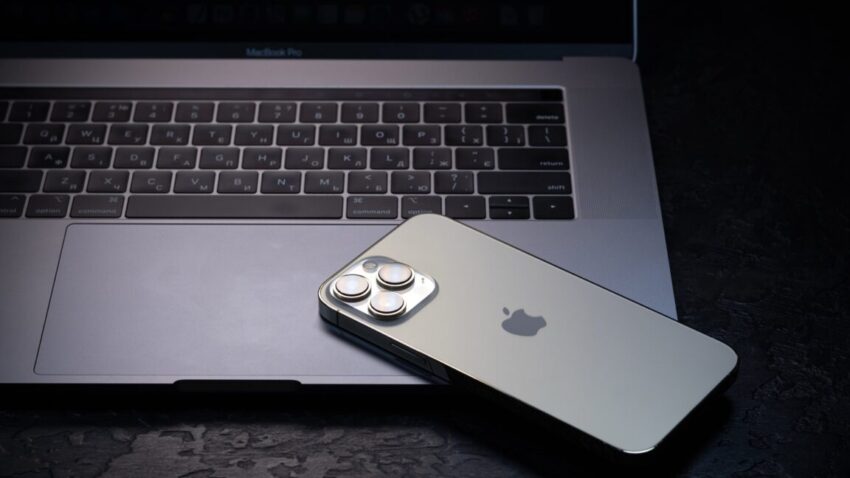
fbi stymied by apple s lockdown mode The FBI has encountered significant challenges in accessing data from a Washington Post reporter’s iPhone due to the device being secured by Apple’s Lockdown Mode during a recent search operation.
fbi stymied by apple s lockdown mode
Background of the Incident
On January 14, 2026, FBI agents executed a search warrant at the Virginia residence of journalist Hannah Natanson as part of an investigation into a Pentagon contractor suspected of leaking classified information. The operation was part of a broader effort to address concerns regarding unauthorized disclosures of sensitive government data, which have become increasingly prevalent in recent years.
During the search, agents seized several items, including an iPhone 13 owned by the Washington Post, two MacBook Pro laptops—one owned by Natanson and the other by the Post—a 1TB portable hard drive, a voice recorder, and a Garmin watch. The seizure of these devices highlights the FBI’s aggressive approach in pursuing leads related to national security and the protection of classified information.
Apple’s Lockdown Mode Explained
Apple’s Lockdown Mode is a security feature designed to provide an additional layer of protection for users who may be at risk of targeted cyberattacks. This mode restricts certain functionalities of the device, making it more difficult for unauthorized users, including law enforcement, to access data without the owner’s consent. The feature is particularly beneficial for journalists, activists, and others who may be vulnerable to surveillance or hacking attempts.
When Lockdown Mode is activated, several features are disabled, including:
- Incoming invitations and service requests are blocked, including those from Apple services like FaceTime.
- Web browsing is limited, as certain complex web technologies are disabled.
- Wired connections to accessories are restricted, preventing data transfer without user intervention.
- Configuration profiles cannot be installed, which helps prevent unauthorized changes to device settings.
This mode is particularly relevant in the context of the FBI’s investigation, as it has effectively thwarted the agency’s attempts to access the data on Natanson’s iPhone. The inability to bypass this security feature raises questions about the balance between national security interests and individual privacy rights.
The FBI’s Access to Other Devices
While the FBI faced challenges in accessing the iPhone, they were able to successfully retrieve data from Natanson’s work laptop. Agents instructed her to place her index finger on the MacBook Pro’s fingerprint reader, which allowed them to bypass the device’s security measures. This incident underscores the varying levels of security across different devices and highlights the complexities law enforcement encounters when dealing with modern encryption and security technologies.
The ability to access the MacBook Pro but not the iPhone illustrates a significant point of contention in the ongoing debate over encryption and privacy. As technology continues to evolve, the methods used by law enforcement to gather evidence must also adapt, often leading to conflicts with privacy advocates and technology companies.
Legal and Ethical Implications
The FBI’s difficulties in accessing the iPhone have sparked discussions about the legal and ethical implications of such security measures. On one hand, the agency’s efforts to investigate potential leaks of classified information are crucial for national security. On the other hand, the protection of journalistic sources and the right to privacy are fundamental tenets of a democratic society.
Journalists like Natanson play a vital role in holding powerful entities accountable, and the ability to protect their communications and sources is essential for a free press. The use of Lockdown Mode by Apple serves as a tool for safeguarding sensitive information, but it also complicates law enforcement’s ability to conduct thorough investigations.
Stakeholder Reactions
The incident has elicited varied reactions from stakeholders, including government officials, technology companies, and civil liberties advocates. Some government officials have expressed frustration over the limitations imposed by encryption technologies, arguing that they hinder law enforcement’s ability to protect national security. Others, however, emphasize the importance of maintaining robust privacy protections, particularly for journalists and whistleblowers.
Technology companies like Apple have defended their security measures, asserting that they are designed to protect users from unauthorized access and potential harm. Apple’s commitment to user privacy has been a cornerstone of its brand identity, and the company has consistently resisted calls to create backdoors that would allow law enforcement to bypass security features.
Civil liberties organizations have applauded Apple’s Lockdown Mode as a necessary safeguard for journalists and activists. They argue that the ability to protect sensitive information is paramount in an era where government surveillance and data breaches are increasingly common. The balance between security and privacy remains a contentious issue, with advocates on both sides presenting compelling arguments.
Future Considerations
The challenges faced by the FBI in this case may set a precedent for future investigations involving encrypted devices. As more individuals adopt advanced security measures, law enforcement agencies may need to reassess their strategies for gathering evidence. This could lead to calls for legislative changes regarding encryption and privacy, as well as discussions about the responsibilities of technology companies in facilitating law enforcement access.
Moreover, the ongoing evolution of technology will likely continue to shape the landscape of privacy and security. As new features and capabilities are developed, both law enforcement and privacy advocates will need to navigate the complexities of modern digital communication. The implications of this incident extend beyond the immediate investigation, raising broader questions about the future of privacy rights in an increasingly interconnected world.
Conclusion
The FBI’s inability to access data from a journalist’s iPhone due to Apple’s Lockdown Mode underscores the ongoing tension between national security and individual privacy rights. As technology continues to advance, the challenges faced by law enforcement in accessing encrypted devices will likely persist, prompting further discussions about the balance between security and privacy. The incident serves as a reminder of the critical role that journalists play in a democratic society and the importance of protecting their ability to report freely and without fear of surveillance.
Source: Original report
Was this helpful?
Last Modified: February 5, 2026 at 11:37 am
4 views