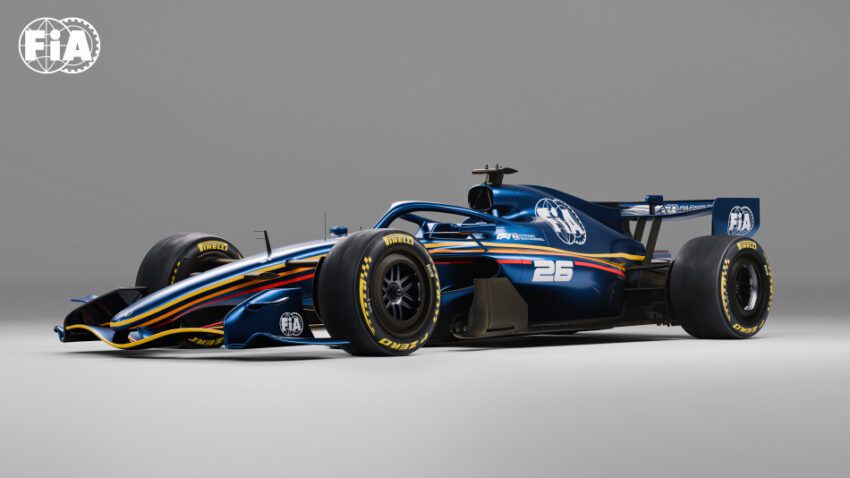
f1 s new engines are causing consternation As Formula 1 gears up for the 2026 season, significant changes to the power unit regulations are stirring debate and concern among teams and stakeholders.
f1 s new engines are causing consternation
Overview of the New Power Unit Regulations
The 2026 season marks a pivotal moment in Formula 1, as the sport introduces a new generation of power units that emphasize hybrid technology and sustainability. The changes are designed to attract new manufacturers to the grid, a goal that has already seen some success. However, as teams prepare for the upcoming season, controversies surrounding the new regulations, particularly regarding compression ratios, have begun to surface.
Background on Current Power Units
Since 2014, Formula 1 cars have been powered by complex hybrid systems that combine a turbocharged 1.6-liter V6 gasoline engine with two hybrid components. The first, known as the MGU-H, recovers energy from the turbocharger’s turbine, while the second, the MGU-K, is responsible for harvesting and deploying energy at the rear wheels. This setup has allowed teams to achieve impressive power outputs, with current units generating around 1,000 horsepower (745 kW).
The MGU-H has played a crucial role in maximizing performance, but it will be eliminated in the upcoming regulations. The new power unit will consist of a 1.6-liter V6 engine expected to produce approximately 536 hp (400 kW), supplemented by a more powerful MGU-K capable of delivering 483 hp (350 kW). Additionally, teams will utilize a significantly larger battery to support the hybrid system, further enhancing the electric motor’s contribution to overall performance.
Implications of the New Regulations
The shift in power unit design is not merely a technical adjustment; it represents a broader strategy aimed at sustainability and attracting new participants to the sport. The increased focus on hybrid technology aligns with global trends toward greener energy solutions, making F1 more appealing to manufacturers looking to enhance their environmental credentials.
New Manufacturers Entering the Fray
One of the primary objectives of the new regulations is to entice new manufacturers to join Formula 1. The response has been positive, with several notable entries:
- Honda: After initially announcing its departure from the sport at the end of 2021, Honda has reversed its decision and will supply power units to Aston Martin starting in 2026.
- Audi: The German automotive giant has made a significant investment in F1 by purchasing the Sauber team, signaling its commitment to the new regulations.
- Red Bull: In a bold move, Red Bull has decided to develop its own internal combustion engines, hiring talent from the Mercedes program. Ford will provide Red Bull with the MGU-K and other hybrid components.
- Cadillac: Although Cadillac’s engine program will not debut until 2029, its involvement indicates a long-term commitment to F1.
These new entrants not only diversify the grid but also bring fresh perspectives and innovations to the sport, potentially enhancing its competitiveness and technological advancement.
Controversies Surrounding Compression Ratios
Despite the excitement surrounding the new regulations, concerns have emerged regarding the compression ratios of the new engines. Compression ratio refers to the ratio of the maximum to the minimum volume in the combustion chamber of an engine. It is a critical factor in determining an engine’s efficiency and power output.
Understanding Compression Ratios
In internal combustion engines, higher compression ratios generally lead to greater efficiency and power. However, they also pose challenges, particularly concerning fuel quality and engine durability. The new regulations have introduced specific guidelines regarding compression ratios, but some teams have identified potential loopholes that could be exploited.
These loopholes may allow teams to push the boundaries of the regulations, leading to disparities in performance. As teams experiment with different configurations, the potential for unequal competition arises, raising questions about the integrity of the sport.
Stakeholder Reactions
The reactions from teams, manufacturers, and stakeholders have been mixed. Some teams express optimism about the new regulations, believing they will level the playing field and foster innovation. Others, however, are concerned that the loopholes could lead to an unfair advantage for those with more resources to invest in research and development.
Team principals have voiced their opinions on the matter. For instance, some have called for stricter enforcement of the regulations to ensure that all teams compete on equal footing. Others have suggested that the governing body of Formula 1, the FIA, should provide clearer guidelines to prevent ambiguity and potential exploitation.
Future Outlook for Formula 1
As the 2026 season approaches, the implications of the new power unit regulations will continue to unfold. The emphasis on hybrid technology and sustainability is likely to shape the future of the sport, attracting new fans and sponsors while also challenging existing teams to adapt and innovate.
Technological Advancements
The introduction of new power units is expected to drive technological advancements in various areas, including battery technology, energy recovery systems, and overall vehicle design. Teams will need to invest in research and development to maximize the performance of their new engines while adhering to the regulations.
Moreover, the focus on sustainability may encourage collaborations between teams and manufacturers to develop more efficient and environmentally friendly technologies. This could lead to breakthroughs that extend beyond the racetrack, influencing the automotive industry as a whole.
Fan Engagement and Market Dynamics
The changes in regulations are also likely to impact fan engagement and market dynamics. As new manufacturers enter the sport, fans may be drawn to the unique stories and rivalries that emerge. The increased competitiveness could lead to more thrilling races, enhancing the overall spectator experience.
Additionally, the shift toward sustainability aligns with the values of a growing segment of the audience that prioritizes environmental responsibility. This could open new avenues for sponsorship and partnerships, as brands seek to associate themselves with a sport that is taking steps toward a greener future.
Conclusion
The 2026 season promises to be a transformative year for Formula 1, with new power unit regulations that emphasize hybrid technology and sustainability. While the introduction of new manufacturers is a positive development, the controversies surrounding compression ratios highlight the complexities of implementing such significant changes. As teams prepare for the upcoming season, the focus will be on navigating these challenges while striving for performance and innovation in a rapidly evolving landscape.
Source: Original report
Was this helpful?
Last Modified: December 24, 2025 at 3:40 am
1 views