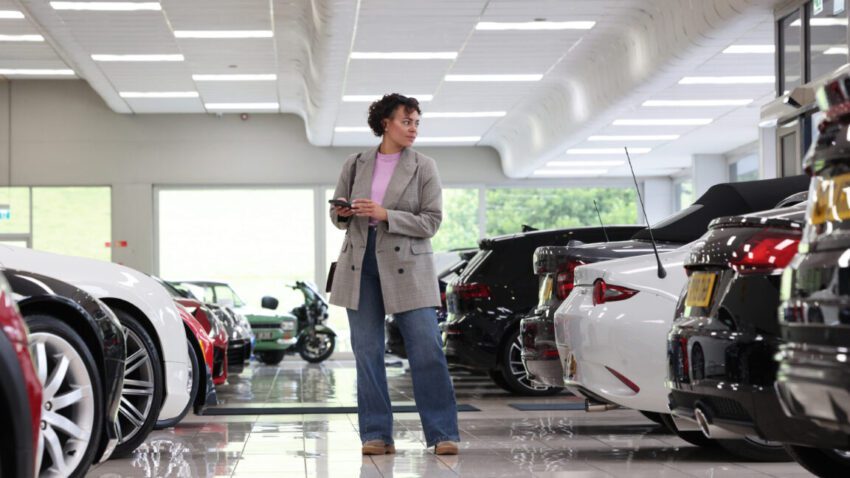
evs remain a niche choice in the The latest survey reveals that while interest in electric vehicles (EVs) is growing, they still represent a small segment of the U.S. automotive market.
evs remain a niche choice in the
Current Trends in Electric Vehicle Adoption
The transition to electric vehicles in the United States appears to be progressing, albeit at a slower pace than anticipated. According to Deloitte’s 2026 Global Automotive Consumer Study, only 7 percent of U.S. car buyers express a desire to purchase an electric vehicle as their next car. While this figure may seem modest, it marks a significant 40 percent increase from the previous year’s survey, which reported that just 5 percent of respondents were interested in EVs.
Despite this uptick in interest, traditional internal combustion engines (ICE) remain the preferred choice among American consumers. The survey indicates that a substantial 61 percent of respondents plan to opt for a gas-powered vehicle for their next purchase. This preference underscores a significant cultural and practical attachment to gasoline-powered cars, which have dominated the market for decades.
Hybrid Vehicles and Other Alternatives
In addition to traditional ICE vehicles, hybrid cars are gaining traction, with 21 percent of survey participants indicating they would consider a hybrid for their next vehicle. This is a slight increase from the previous year’s figure of 20 percent. Conversely, interest in plug-in hybrids has decreased, with only 5 percent of respondents expressing a preference for this option, down from 6 percent in the prior year. The remaining respondents are either uncertain about their next vehicle choice (4 percent) or are considering other alternatives, such as hydrogen fuel cell vehicles (1 percent).
Comparative Analysis: U.S. vs. Global Trends
The U.S. market’s strong preference for internal combustion engines contrasts sharply with trends observed in other major automotive markets. For instance, in Germany, fewer than half of car buyers are inclined to purchase another gas-powered vehicle. This shift reflects a growing awareness and acceptance of EVs and hybrids among European consumers, driven in part by stricter emissions regulations and a cultural push towards sustainability.
In Asia, the landscape is similarly varied. In China, the demand for electric vehicles has surged, with 20 percent of consumers indicating a preference for battery-powered cars. This shift can be attributed to aggressive government policies promoting EV adoption, including subsidies and incentives for both manufacturers and consumers. The Chinese government has made significant investments in EV infrastructure, including charging stations, which has further facilitated this transition.
Conversely, in Japan, the interest in battery electric vehicles remains relatively low, with only 5 percent of consumers expressing a desire for an EV. Instead, a significant 37 percent of respondents indicated that they would prefer a hybrid vehicle. This preference may be influenced by Japan’s existing automotive technology, which has a strong focus on hybrid systems, exemplified by models like the Toyota Prius.
Factors Influencing Consumer Preferences
Several factors contribute to the ongoing preference for internal combustion engines in the U.S. market. One of the most significant is the established infrastructure for gasoline vehicles, which remains far more extensive than that for electric vehicles. Consumers often prioritize convenience and accessibility when making purchasing decisions, and the current charging infrastructure for EVs does not yet match the widespread availability of gas stations.
Additionally, the upfront cost of electric vehicles can be a deterrent for many potential buyers. While the total cost of ownership may favor EVs over time due to lower fuel and maintenance costs, the initial purchase price remains a significant barrier. Many consumers are still hesitant to invest in a technology that they perceive as unproven or less reliable than traditional vehicles.
Implications for the Automotive Industry
The findings from Deloitte’s survey have important implications for automakers and policymakers alike. As the automotive industry continues to evolve, manufacturers must adapt their strategies to meet changing consumer preferences. The slow but steady increase in interest in electric vehicles suggests that there is potential for growth in this segment, but it may require targeted marketing and education efforts to alleviate consumer concerns.
Automakers are already responding to these trends by expanding their electric vehicle offerings and investing in research and development to improve battery technology and reduce costs. Many major manufacturers have announced ambitious plans to transition to electric vehicles, with some pledging to phase out internal combustion engines entirely within the next few decades. However, the pace of this transition will largely depend on consumer acceptance and the development of supporting infrastructure.
Stakeholder Reactions
Reactions to the survey findings have been mixed among stakeholders in the automotive industry. Some industry leaders express optimism about the growth of the EV market, viewing the 40 percent increase in interest as a positive sign. They argue that as more consumers become aware of the benefits of electric vehicles, including lower emissions and reduced fuel costs, the demand will continue to rise.
On the other hand, some analysts caution that the current figures indicate a need for more aggressive action from both automakers and government entities. They emphasize the importance of investing in charging infrastructure and providing incentives to encourage consumers to make the switch to electric vehicles. Without these measures, the U.S. risks falling behind other countries in the global race towards electrification.
The Road Ahead for Electric Vehicles
Looking ahead, the future of electric vehicles in the U.S. will likely be shaped by several key factors. First, advancements in battery technology are expected to play a crucial role in making EVs more appealing to consumers. As battery costs decrease and range increases, potential buyers may feel more confident in making the switch from traditional vehicles.
Second, government policies will be instrumental in driving EV adoption. Federal and state incentives, such as tax credits and rebates for electric vehicle purchases, can help offset the initial costs and encourage more consumers to consider EVs. Additionally, investments in charging infrastructure will be essential to alleviate range anxiety and improve the overall convenience of owning an electric vehicle.
Finally, consumer education will be vital in shifting perceptions about electric vehicles. As more information becomes available about the benefits and practicality of EVs, potential buyers may become more open to the idea of making the switch. Automakers and advocacy groups will need to work together to disseminate accurate information and address common misconceptions about electric vehicles.
Conclusion
In summary, while the electric vehicle market in the U.S. is still relatively small, the recent survey indicates a growing interest among consumers. The 40 percent increase in the desire for EVs is a promising sign, but it also highlights the challenges that remain in shifting consumer preferences. As the automotive industry navigates this transition, the focus will need to be on addressing consumer concerns, enhancing infrastructure, and promoting the benefits of electric vehicles to ensure a successful shift towards a more sustainable automotive future.
Source: Original report
Was this helpful?
Last Modified: January 8, 2026 at 3:41 am
6 views