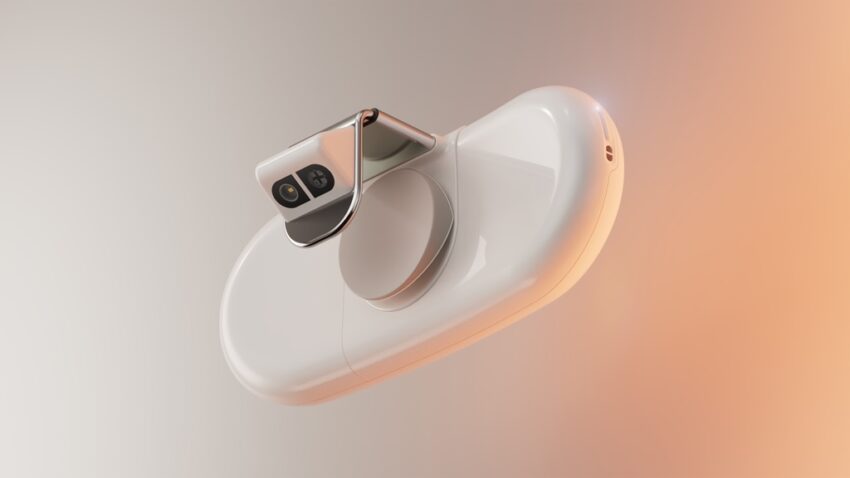
end-to-end encrypted smart toilet camera is not A recent revelation has cast doubt on the security claims of a smart toilet camera developed by Kohler, highlighting significant privacy concerns regarding user data.
end-to-end encrypted smart toilet camera is not
Overview of the Smart Toilet Camera
Kohler, a well-known manufacturer in the bathroom and kitchen space, has ventured into the realm of smart home technology with its innovative smart toilet camera. This device is designed to provide users with a unique experience by integrating advanced features such as automatic flushing, heated seats, and now, a camera that captures images for health monitoring purposes. The smart toilet camera is marketed as a tool for users to track their health through visual data analysis, ostensibly offering insights into various health metrics.
However, the introduction of this technology has raised eyebrows, particularly concerning its privacy implications. The concept of a camera in a bathroom setting is already controversial, and the promise of end-to-end encryption has been a key selling point for consumers wary of surveillance. Yet, recent findings suggest that the encryption claims may not be as robust as advertised.
Claims of End-to-End Encryption
Kohler has positioned its smart toilet camera as a secure device, emphasizing that it employs end-to-end encryption to protect user data. End-to-end encryption is a method of data transmission where only the communicating users can read the messages. This means that even the service provider cannot access the content of the communication. In theory, this should provide users with peace of mind, knowing that their data is secure from unauthorized access.
However, investigations have revealed that Kohler retains access to customer data stored on its servers. This means that while the data may be encrypted during transmission, the company can still access it once it is stored. This revelation undermines the claims of true end-to-end encryption, as the fundamental principle of this security measure is that only the user should have access to their data.
Data Access and Usage
Further complicating the issue is the fact that Kohler may utilize the images captured by the smart toilet camera to train artificial intelligence (AI) models. This practice raises significant ethical questions about user consent and data ownership. Users may not be fully aware that the images taken in what they assume is a private setting could be used for purposes beyond their initial intent.
Kohler’s approach to data usage reflects a broader trend in the tech industry, where companies often collect and utilize user data to improve their services and develop new technologies. However, the lack of transparency regarding how this data is used can lead to a breach of trust between companies and consumers. Users may feel misled if they believe their data is secure and private, only to discover that it is being accessed and used by the company.
Consumer Reactions
The response from consumers has been mixed, with many expressing outrage over the apparent breach of privacy. Social media platforms have been flooded with comments from users who feel deceived by Kohler’s marketing claims. The notion that a camera in a bathroom could be used for AI training purposes has sparked debates about the ethical implications of such technology.
Some consumers have called for stricter regulations regarding smart home devices, emphasizing the need for clearer guidelines on data privacy and security. The situation has prompted discussions about the responsibilities of tech companies in safeguarding user data and ensuring transparency in their practices.
Regulatory Implications
The controversy surrounding Kohler’s smart toilet camera highlights the urgent need for regulatory frameworks that address privacy concerns in the rapidly evolving landscape of smart home technology. As more devices become interconnected and capable of collecting sensitive data, the potential for misuse increases. Regulatory bodies may need to step in to establish standards that protect consumers and hold companies accountable for their data practices.
In the United States, the Federal Trade Commission (FTC) has been increasingly active in addressing privacy issues, but comprehensive legislation specifically targeting smart home devices is still lacking. The absence of clear regulations can leave consumers vulnerable to privacy violations, as companies may exploit loopholes in existing laws.
Potential Solutions
To address the concerns raised by the Kohler smart toilet camera situation, several potential solutions could be considered:
- Enhanced Transparency: Companies should provide clear and accessible information about how user data is collected, stored, and used. This includes disclosing any third-party access to data and the purposes for which it will be used.
- Opt-In Consent: Users should have the option to opt-in to data collection practices, particularly when it involves sensitive information. This ensures that consumers are fully aware of what they are consenting to.
- Stricter Regulations: Governments should implement regulations that specifically address data privacy in the context of smart home devices. This could include requirements for end-to-end encryption and limitations on data usage.
- Independent Audits: Regular audits by independent third parties could help ensure that companies are adhering to their privacy policies and maintaining data security standards.
Broader Context of Smart Home Privacy
The Kohler smart toilet camera incident is not an isolated case; it reflects a growing concern about privacy in the smart home industry. As more devices become connected to the internet, the potential for data breaches and unauthorized access increases. Consumers are becoming increasingly aware of the risks associated with smart home technology, leading to a demand for greater accountability from manufacturers.
In recent years, several high-profile data breaches have raised alarms about the security of smart home devices. From smart speakers to security cameras, vulnerabilities have been exploited, leading to unauthorized access to sensitive information. These incidents have fueled skepticism among consumers, prompting many to reconsider their reliance on smart technology.
Future of Smart Home Technology
As the smart home market continues to expand, manufacturers must prioritize user privacy and data security. Companies that fail to address these concerns may find themselves facing backlash from consumers and regulatory scrutiny. The Kohler smart toilet camera serves as a cautionary tale for the industry, highlighting the importance of transparency and ethical data practices.
Moving forward, it is essential for companies to adopt a user-centric approach to product development. This includes prioritizing privacy by design, ensuring that security measures are integrated into the product from the outset. By fostering a culture of accountability and transparency, manufacturers can build trust with consumers and mitigate potential risks associated with smart home technology.
Conclusion
The controversy surrounding Kohler’s smart toilet camera underscores the critical importance of data privacy in the age of smart technology. As consumers become more aware of the implications of their data being collected and used, companies must adapt their practices to meet evolving expectations. The need for clear regulations and ethical standards has never been more pressing, as the industry navigates the complexities of balancing innovation with user privacy. The future of smart home technology will depend on the ability of manufacturers to prioritize consumer trust and security in their offerings.
Source: Original report
Was this helpful?
Last Modified: December 4, 2025 at 1:48 am
12 views