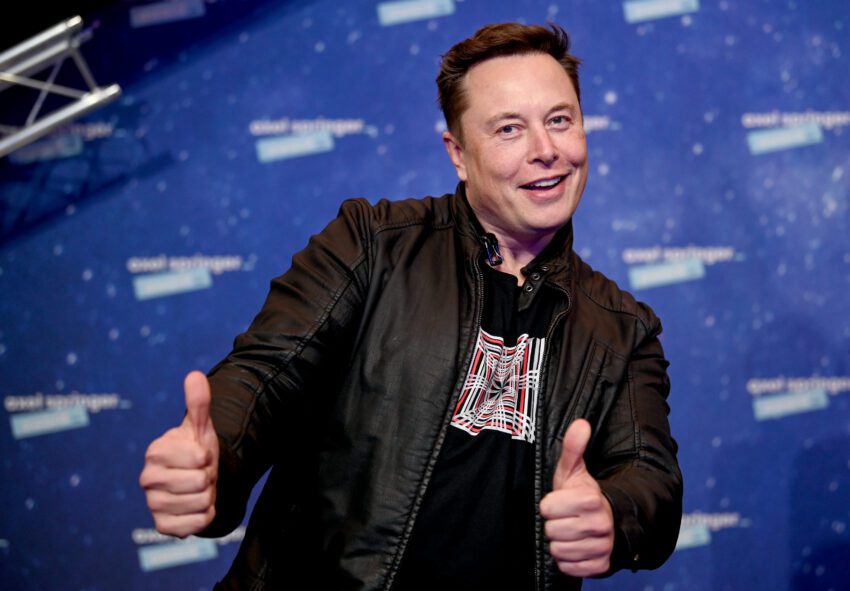
elon musk is merging spacex and xai Elon Musk has announced a significant merger between SpaceX and xAI, aimed at establishing data centers in space, a move he claims is essential for the future of artificial intelligence.
elon musk is merging spacex and xai
The Merger Announcement
On Monday, Elon Musk revealed that he is merging two of his prominent companies, SpaceX and xAI, in a deal valued at approximately $1.25 trillion. This ambitious initiative is rooted in Musk’s belief that the evolution of artificial intelligence (AI) necessitates a shift from traditional terrestrial data centers to innovative space-based solutions. During the announcement, Musk emphasized the limitations of current data center infrastructures, stating that AI relies heavily on “large terrestrial data centers” that consume “immense amounts of power and cooling.” He pointed out that this reliance not only incurs significant costs but also poses environmental challenges and faces community opposition.
The Rationale Behind Space-Based Data Centers
Musk articulated a vision where data centers in space would mitigate some of the pressing issues associated with ground-based facilities. He argued that the environmental impact of these data centers is unsustainable, as they require vast amounts of energy and often face criticism from local communities due to their ecological footprint. “In the long term, space-based AI is obviously the only way to scale,” Musk stated, highlighting the need for a more sustainable approach to AI infrastructure.
The concept of space-based data centers is not entirely new. Musk’s assertion aligns with a growing interest in utilizing space for technological advancements. By relocating data centers to orbit, Musk believes that AI can operate more efficiently and sustainably, free from the constraints of terrestrial limitations.
Comparative Ventures in Space-Based Technology
Musk’s announcement comes at a time when other tech giants are also exploring the potential of space for data storage and processing. Notably, Google has initiated Project Suncatcher, which aims to develop solar-powered data centers in space. This project reflects a broader trend among technology companies to leverage space for innovative solutions to existing problems.
Google’s Project Suncatcher
Project Suncatcher seeks to harness solar energy to power data centers located in orbit. By utilizing the abundant solar energy available in space, Google aims to create a sustainable and efficient data processing environment. This initiative underscores the competitive landscape in which Musk’s SpaceX and xAI will operate, as other companies also recognize the potential benefits of space-based data centers.
Technical and Logistical Challenges
While the vision of space-based data centers is compelling, several technical and logistical challenges must be addressed. The construction and maintenance of data centers in space would require significant advancements in technology and infrastructure. Key considerations include:
- Cost of Launch: The financial implications of launching and maintaining data centers in orbit are substantial. Each launch involves considerable expenses, and the long-term sustainability of such operations remains to be seen.
- Data Transmission: Ensuring efficient data transmission between Earth and space is critical. Latency issues and bandwidth limitations could hinder the performance of space-based data centers.
- Environmental Factors: Space is not devoid of environmental challenges. Factors such as radiation, temperature extremes, and micrometeoroid impacts could affect the reliability and longevity of data centers in orbit.
Potential Solutions
To overcome these challenges, Musk and his teams will need to innovate continuously. Potential solutions could include:
- Reusable Launch Systems: SpaceX has already made strides in developing reusable rocket technology, which could help reduce launch costs significantly.
- Advanced Communication Technologies: Investments in satellite communication technologies could enhance data transmission capabilities, making space-based data centers more viable.
- Robust Design: Engineering data centers to withstand the harsh conditions of space will be crucial. This includes developing materials and designs that can endure radiation and temperature fluctuations.
Implications for the AI Industry
The merger of SpaceX and xAI to create space-based data centers could have far-reaching implications for the AI industry. If successful, this initiative could redefine how AI systems are developed, trained, and deployed. Some potential implications include:
- Scalability: Space-based data centers could provide the necessary infrastructure to scale AI applications rapidly, enabling more complex models and larger datasets.
- Environmental Impact: A shift to space-based data centers could significantly reduce the carbon footprint associated with traditional data centers, aligning with global sustainability goals.
- Innovation Acceleration: The unique environment of space may foster new innovations in AI algorithms and applications, as researchers explore the possibilities of operating in a less constrained environment.
Stakeholder Reactions
The announcement of the merger has elicited a range of reactions from stakeholders across various sectors. Industry experts, environmentalists, and investors have all weighed in on the potential ramifications of this ambitious plan.
Industry Experts
Many industry experts have expressed cautious optimism regarding the merger. Some believe that Musk’s vision could catalyze significant advancements in AI and space technology. However, others have raised concerns about the feasibility of such an undertaking, emphasizing the need for rigorous testing and validation before deploying data centers in space.
Environmentalists
Environmental advocates have responded positively to the idea of reducing the ecological impact of data centers. The prospect of utilizing renewable energy sources in space aligns with broader environmental goals. However, some have cautioned against potential environmental risks associated with space debris and the long-term sustainability of such operations.
Investors
Investor sentiment has been mixed. While the merger’s ambitious nature has attracted attention, some investors remain skeptical about the financial viability of space-based data centers. The substantial costs associated with launching and maintaining these facilities could pose risks to profitability in the long term.
Conclusion
Elon Musk’s merger of SpaceX and xAI to establish space-based data centers represents a bold step toward reimagining the future of artificial intelligence. While the vision is ambitious and fraught with challenges, it also opens the door to unprecedented possibilities in the realms of technology and sustainability. As the project unfolds, it will be essential to monitor its progress, address the technical hurdles, and evaluate its impact on the AI industry and the environment.
Source: Original report
Was this helpful?
Last Modified: February 4, 2026 at 10:39 am
6 views