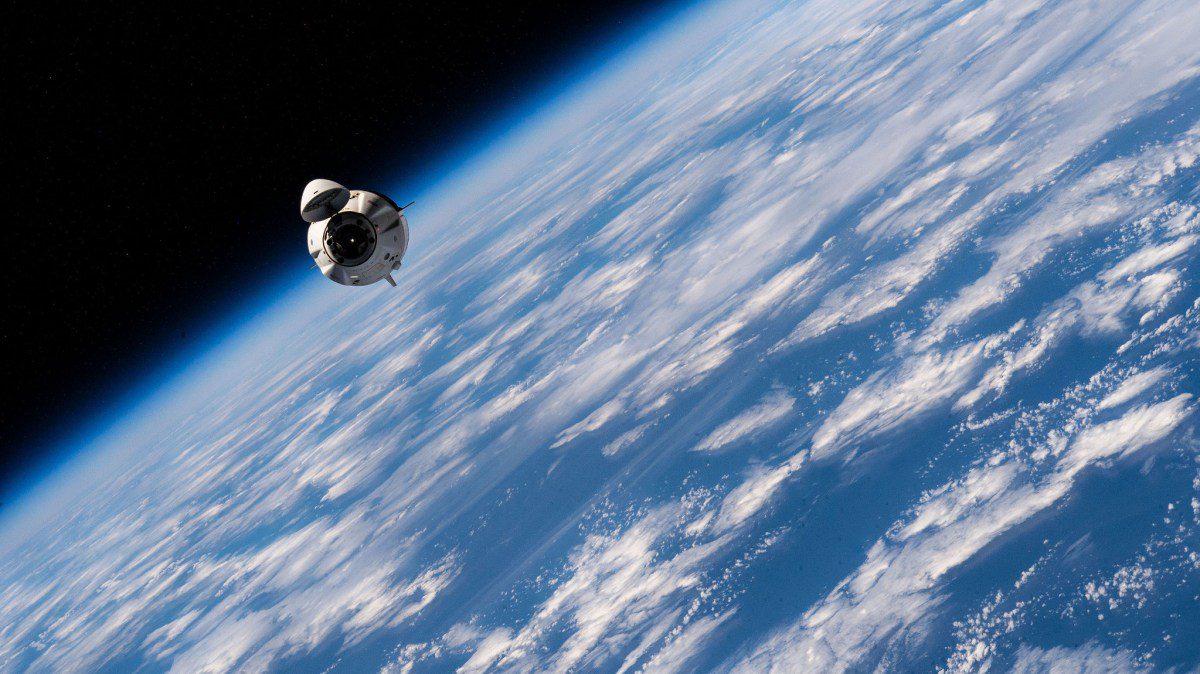
elon musk is getting serious about orbital Elon Musk is advancing his vision for orbital data centers, signaling a significant shift in how data processing and storage could be conducted in the future.
elon musk is getting serious about orbital
The Concept of Orbital Data Centers
Orbital data centers represent a transformative approach to data management, leveraging the unique advantages of space. The idea is to establish data processing facilities in low Earth orbit (LEO), where they can operate with reduced latency and enhanced efficiency compared to terrestrial data centers. This concept aligns with Musk’s broader ambitions in space exploration and technology, particularly through his companies, SpaceX and Neuralink.
Benefits of Orbital Data Centers
There are several compelling reasons for considering the establishment of data centers in orbit:
- Reduced Latency: Data transmission times can be significantly lower when data is processed closer to its source, especially for applications requiring real-time analysis, such as autonomous vehicles and AI systems.
- Enhanced Security: Data stored in space could be less susceptible to physical attacks or natural disasters that can affect terrestrial facilities.
- Energy Efficiency: Solar power could be harnessed more effectively in space, potentially leading to more sustainable operations.
- Global Connectivity: Orbital data centers could facilitate better internet access in remote areas, bridging the digital divide.
Musk’s Vision and Strategic Goals
Musk’s interest in orbital data centers is not merely theoretical; it is part of a larger strategy that encompasses various sectors, including telecommunications, artificial intelligence, and space exploration. By integrating these data centers into his existing ventures, Musk aims to create a comprehensive ecosystem that enhances the capabilities of his companies.
Integration with SpaceX
SpaceX has already made significant strides in launching satellites through its Starlink project, which aims to provide global internet coverage. The infrastructure developed for Starlink could serve as a foundation for orbital data centers. By utilizing the same satellites for data processing, Musk could streamline operations and reduce costs.
Furthermore, SpaceX’s advancements in rocket technology and reusable launch systems make it feasible to deploy and maintain these data centers in orbit. The company’s ongoing missions to the International Space Station (ISS) and its plans for Mars colonization also provide a framework for establishing a sustainable presence in space.
Implications for Artificial Intelligence
Artificial intelligence is a key area where orbital data centers could have a profound impact. The processing power required for advanced AI applications often necessitates vast amounts of data being analyzed in real-time. By situating data centers in orbit, Musk could enable faster data processing, leading to more efficient AI algorithms and applications.
Moreover, the reduced latency could enhance the performance of AI systems used in critical sectors, such as healthcare, transportation, and finance. For instance, real-time data analysis could improve autonomous vehicle navigation systems, making them safer and more reliable.
Challenges and Considerations
Despite the potential benefits, the establishment of orbital data centers is fraught with challenges that must be addressed before they can become a reality.
Technical Challenges
Building and maintaining data centers in space presents numerous technical hurdles:
- Radiation Exposure: Data centers in orbit would need to be designed to withstand higher levels of radiation, which can damage electronic components and lead to data loss.
- Thermal Management: The extreme temperature variations in space require advanced cooling systems to ensure optimal operating conditions for servers.
- Reliability and Maintenance: Regular maintenance and repairs would be challenging in a space environment, necessitating robust designs that minimize the need for human intervention.
Regulatory and Legal Issues
The deployment of orbital data centers would also raise regulatory and legal questions. International space law, including treaties governing the use of outer space, would need to be navigated carefully. Issues such as space debris management, frequency allocation for communication, and compliance with national and international regulations would require thorough consideration.
Market Competition
The market for data centers is already highly competitive, with established players like Amazon Web Services, Microsoft Azure, and Google Cloud dominating the landscape. Musk’s entry into this market would necessitate a compelling value proposition to attract customers away from these established services. The unique advantages of orbital data centers would need to be clearly communicated to potential clients.
Stakeholder Reactions
The prospect of orbital data centers has elicited a range of reactions from various stakeholders, including industry experts, government officials, and potential investors.
Industry Experts
Many industry experts express cautious optimism about the potential of orbital data centers. Some highlight the innovative nature of the concept, suggesting that it could revolutionize data processing and storage. Others, however, emphasize the need for a clear roadmap and realistic timelines, given the complexities involved.
Government Officials
Government officials are also closely monitoring developments in this area. National security concerns, particularly regarding data sovereignty and cybersecurity, are paramount. Policymakers may need to establish new frameworks to govern the operation of data centers in space, ensuring that they align with national interests.
Investors
Investors are intrigued by the potential for high returns associated with space-based technologies. However, they are also aware of the risks involved in such ventures. The capital-intensive nature of space projects means that investors will be looking for clear evidence of feasibility and a solid business model before committing funds.
Future Outlook
As Musk continues to develop his vision for orbital data centers, the future of data processing and storage could be on the brink of a significant transformation. The integration of advanced technologies, combined with the unique advantages offered by space, presents an exciting opportunity for innovation.
While challenges remain, the potential benefits of reduced latency, enhanced security, and improved energy efficiency make the concept of orbital data centers worth pursuing. As Musk’s plans coalesce into a more concrete strategy, the tech industry will be watching closely to see how this ambitious vision unfolds.
In conclusion, the establishment of orbital data centers could redefine the landscape of data management, offering new solutions to the challenges faced by traditional data centers. As Elon Musk pushes the boundaries of what is possible in space and technology, the implications of this endeavor will resonate across multiple sectors, potentially reshaping the future of data processing.
Source: Original report
Was this helpful?
Last Modified: February 6, 2026 at 3:39 am
0 views