electric vehicles cause tension in the automotive The electric vehicle (EV) industry is at a pivotal moment, particularly in relation to its impact on the automotive aftermarket.
electric vehicles cause tension in the automotive
The Current State of the Electric Vehicle Industry
As of September 2023, the expiration of federal clean vehicle tax credits has left the electric vehicle sector at a crossroads. This situation has been developing since the Trump administration, which initiated policies that have had lasting effects on the industry. The automotive landscape is currently characterized by a dichotomy: while a segment of the industry is aggressively pursuing EV development, another is scaling back. This uncertainty leaves consumers questioning what the future of electrification will look like in the coming years, especially as the political climate shifts with the next administration.
The Role of the Automotive Aftermarket
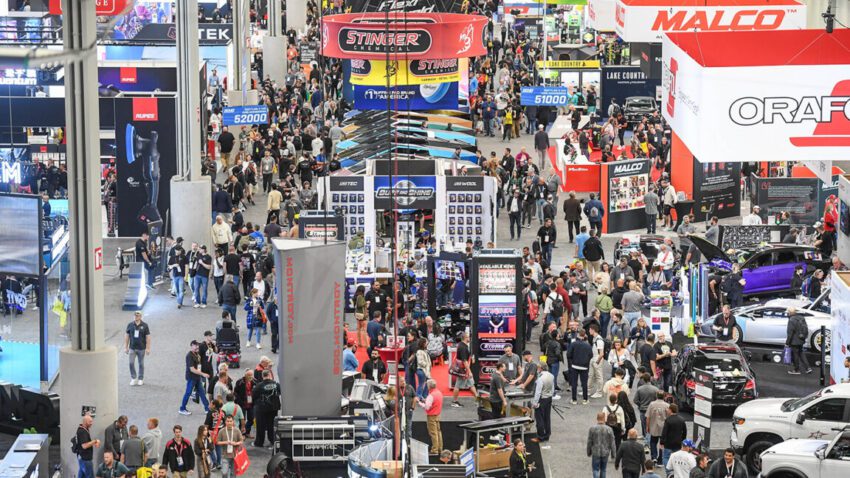
Typically, the automotive aftermarket thrives on advancements made by original equipment manufacturers (OEMs). However, the question arises: have recent policies and market dynamics under the Trump administration influenced the aftermarket’s ability to adapt to EV technology? To gain insights into this matter, I attended the Specialty Equipment Market Association (SEMA) tradeshow in Las Vegas, where I engaged with industry professionals to understand their perspectives on the evolving landscape.
Insights from SEMA Leadership
At the SEMA tradeshow, I had the opportunity to speak with Mike Spagnola, the CEO of SEMA, and Karen Bailey-Chapman, the senior vice president of public and government affairs. Their insights shed light on the organization’s official stance regarding the integration of EV technology into the aftermarket.
One of the key takeaways from my discussions was SEMA’s strong desire for autonomy in decision-making. “We don’t want to be told what to do,” Spagnola emphasized, highlighting the organization’s commitment to self-regulation and innovation within the aftermarket sector. This sentiment reflects a broader concern among aftermarket stakeholders about government intervention and its potential to stifle creativity and growth.
Challenges and Opportunities
The transition to electric vehicles presents both challenges and opportunities for the automotive aftermarket. On one hand, the shift to EVs necessitates new skills, tools, and technologies that many aftermarket businesses may not currently possess. Traditional mechanics and service providers must adapt to the unique requirements of electric drivetrains, battery management systems, and high-voltage electrical components.
On the other hand, this transition also opens the door for innovation. As the market for electric vehicles expands, so too does the demand for aftermarket products and services tailored to these vehicles. For instance, there is a growing need for specialized charging equipment, battery maintenance services, and performance upgrades that cater specifically to EVs. Companies that can pivot quickly to meet these demands may find themselves at a competitive advantage.
Consumer Perspectives on Electrification
Consumer sentiment plays a crucial role in shaping the future of the electric vehicle market. As the industry evolves, consumers are increasingly interested in understanding the benefits and drawbacks of EV technology. Many are drawn to the environmental advantages of electric vehicles, including reduced emissions and lower operating costs. However, concerns about charging infrastructure, battery life, and overall vehicle performance remain prevalent.
Moreover, the uncertainty surrounding government incentives and policies further complicates consumer decision-making. With the recent expiration of federal clean vehicle tax credits, potential buyers may hesitate to invest in electric vehicles, fearing that the financial benefits may not be as robust as they once were. This hesitation could slow the adoption of EVs, ultimately impacting the aftermarket as well.
Stakeholder Reactions
The reactions from various stakeholders in the automotive industry highlight the complexity of the current situation. OEMs are investing heavily in electric vehicle technology, with many major manufacturers committing to a future dominated by EVs. This commitment is evident in the launch of new electric models and the establishment of dedicated EV divisions within traditional automotive companies.
Conversely, some aftermarket businesses express concern about the rapid pace of change. Many have built their operations around internal combustion engine vehicles and may struggle to adapt to the new landscape. The need for training and education in EV technology is paramount, as is the development of new business models that can accommodate the unique requirements of electric vehicles.
Innovations at the SEMA Tradeshow
The SEMA tradeshow served as a platform for showcasing innovative products and services designed for the electric vehicle market. Numerous exhibitors presented cutting-edge technologies aimed at enhancing the performance and functionality of EVs. From advanced battery management systems to innovative charging solutions, the aftermarket is beginning to embrace the electrification trend.
One notable trend observed at the tradeshow was the increasing focus on sustainability. Many companies are exploring eco-friendly materials and manufacturing processes to align with the values of environmentally conscious consumers. This shift not only addresses consumer demand but also positions aftermarket businesses as responsible players in the broader automotive ecosystem.
The Future of the Aftermarket
Looking ahead, the future of the automotive aftermarket in relation to electric vehicles is uncertain but filled with potential. As the market for EVs continues to grow, aftermarket businesses that can adapt and innovate will likely thrive. This may involve investing in new technologies, retraining staff, and developing partnerships with OEMs and technology providers.
Furthermore, the role of government policy will remain a critical factor in shaping the landscape. Stakeholders in the aftermarket are advocating for policies that support innovation and growth rather than imposing restrictive regulations. The balance between regulation and autonomy will be essential in fostering a vibrant aftermarket that can respond to the evolving needs of consumers and the industry.
Conclusion
In summary, the electric vehicle industry is at a crucial juncture, with significant implications for the automotive aftermarket. As the sector grapples with the challenges and opportunities presented by electrification, the voices of industry leaders and stakeholders will be instrumental in shaping its future. The SEMA tradeshow highlighted the innovative spirit within the aftermarket, suggesting that while challenges exist, the potential for growth and adaptation is equally strong. As we move forward, the collaboration between OEMs, aftermarket businesses, and consumers will be vital in navigating the complexities of this new automotive landscape.
Source: Original report
Was this helpful?
Last Modified: December 17, 2025 at 8:37 pm
3 views