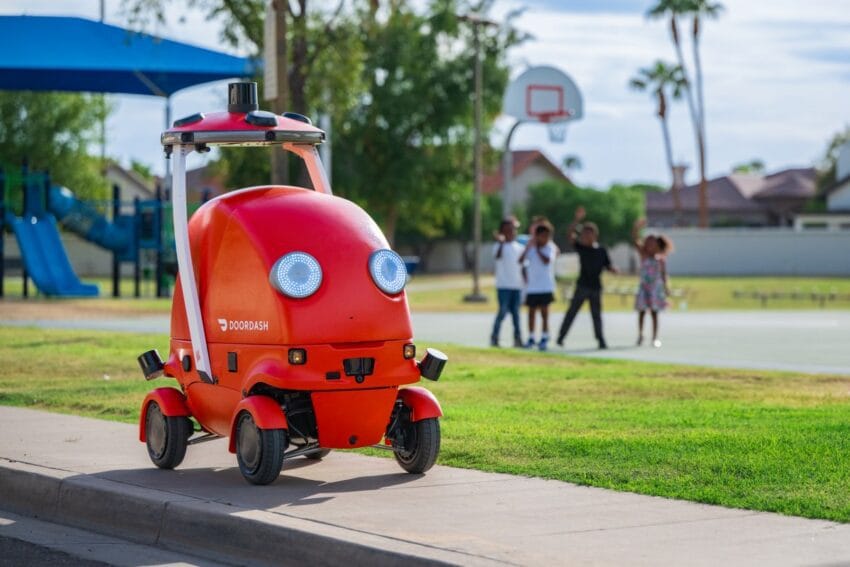
doordash unveils dot its autonomous robot built DoorDash has introduced Dot, a 350-pound autonomous delivery robot designed to transport food directly to customers.
doordash unveils dot its autonomous robot built
Overview of Dot
Dot is DoorDash’s latest innovation in the realm of food delivery technology. This autonomous vehicle is engineered to navigate urban environments while carrying food orders, aiming to enhance the efficiency of the delivery process. Weighing in at 350 pounds, Dot is equipped with advanced sensors and navigation systems that allow it to travel at speeds of up to 20 miles per hour. This speed is crucial for timely deliveries, especially in bustling city settings where traffic can be unpredictable.
Design and Features
The design of Dot is both functional and user-friendly. The robot features a compartment, often referred to as its “robot mouth,” where food is securely stored during transit. This compartment is designed to keep the food safe and intact, ensuring that it arrives at the customer’s location in optimal condition. The exterior of Dot is built to withstand various weather conditions, making it suitable for year-round operation.
In addition to its robust design, Dot is equipped with a suite of sensors that allow it to detect obstacles, navigate sidewalks, and interact with pedestrians. These sensors are critical for ensuring safe operation in crowded urban environments. The robot’s navigation system is powered by advanced algorithms that enable it to plan efficient routes, minimizing delivery times while maximizing safety.
Technological Innovations
Dot represents a significant advancement in autonomous delivery technology. The robot utilizes a combination of GPS, computer vision, and machine learning to navigate its surroundings. This technology allows Dot to make real-time decisions, such as avoiding pedestrians or rerouting in response to traffic conditions.
Autonomous Navigation
The autonomous navigation capabilities of Dot are particularly noteworthy. The robot can operate without human intervention, which is a key feature that sets it apart from traditional delivery methods. This autonomy not only reduces labor costs for DoorDash but also allows for greater scalability in their delivery operations.
Furthermore, Dot’s navigation system is designed to learn from its environment. As it makes deliveries, it gathers data that can be used to improve its performance over time. This continuous learning process is essential for adapting to the dynamic nature of urban landscapes, where conditions can change rapidly.
Safety Features
Safety is a paramount concern for any autonomous vehicle, and Dot is no exception. The robot is equipped with multiple safety features designed to protect both itself and the public. These include:
- Obstacle Detection: Dot’s sensors can detect obstacles in its path, allowing it to stop or navigate around them as needed.
- Emergency Stop: In case of an unexpected situation, Dot can be manually stopped by a remote operator.
- Pedestrian Interaction: The robot is programmed to yield to pedestrians, ensuring that it does not pose a risk to those on foot.
Operational Implications
The introduction of Dot has several implications for DoorDash and the broader food delivery industry. As consumer demand for quick and efficient delivery services continues to rise, companies are exploring innovative solutions to meet these expectations. Dot’s autonomous capabilities could potentially reduce delivery times and lower operational costs, making it an attractive option for DoorDash.
Cost Efficiency
One of the most significant advantages of using autonomous robots like Dot is the potential for cost savings. By reducing the reliance on human delivery drivers, DoorDash can decrease labor costs. This shift could allow the company to offer more competitive pricing to customers while maintaining profitability.
Scalability
Dot’s design and functionality also lend themselves to scalability. As DoorDash expands its operations, the ability to deploy multiple autonomous robots could significantly increase the volume of deliveries. This scalability is crucial for meeting the growing demand for food delivery services, particularly in urban areas where traditional delivery methods may struggle to keep pace.
Market Reactions
The unveiling of Dot has garnered mixed reactions from various stakeholders within the food delivery ecosystem. While many view it as a positive step towards innovation, others express concerns about the implications for employment and safety.
Industry Enthusiasm
Many industry experts and analysts have praised DoorDash for its commitment to innovation. The introduction of autonomous delivery robots is seen as a forward-thinking move that could set a new standard in the food delivery market. Companies that embrace technology are often viewed as leaders, and Dot positions DoorDash as a pioneer in the autonomous delivery space.
Concerns About Employment
However, the rise of autonomous delivery robots raises valid concerns regarding employment in the delivery sector. Critics argue that the increased use of robots could lead to job losses for human delivery drivers. While DoorDash has stated that it aims to complement its existing workforce rather than replace it, the long-term implications of automation on employment remain a contentious issue.
Future Prospects
Looking ahead, the future of Dot and similar autonomous delivery robots appears promising. As technology continues to advance, it is likely that we will see further enhancements in robot capabilities, including improved navigation, better energy efficiency, and enhanced safety features.
Regulatory Considerations
As autonomous delivery robots become more prevalent, regulatory frameworks will need to evolve to address the unique challenges they present. Local governments will need to establish guidelines for the operation of these robots, including where they can travel and how they should interact with pedestrians and vehicles. Ensuring that regulations keep pace with technological advancements will be crucial for the safe integration of robots into urban environments.
Consumer Acceptance
Consumer acceptance will also play a critical role in the success of Dot and similar technologies. While many consumers may appreciate the convenience of autonomous deliveries, others may be hesitant to embrace the technology due to concerns about safety and reliability. DoorDash will need to invest in public education and outreach to build trust in its autonomous delivery solutions.
Conclusion
DoorDash’s introduction of Dot marks a significant milestone in the evolution of food delivery services. With its advanced technology, cost-saving potential, and scalability, Dot has the potential to reshape the way food is delivered in urban environments. However, as with any technological advancement, it brings with it a host of challenges and considerations that must be addressed. The future of autonomous delivery robots will depend on how effectively these challenges are navigated and how well they are received by consumers and regulators alike.
Source: Original report
Was this helpful?
Last Modified: September 30, 2025 at 6:53 pm
7 views