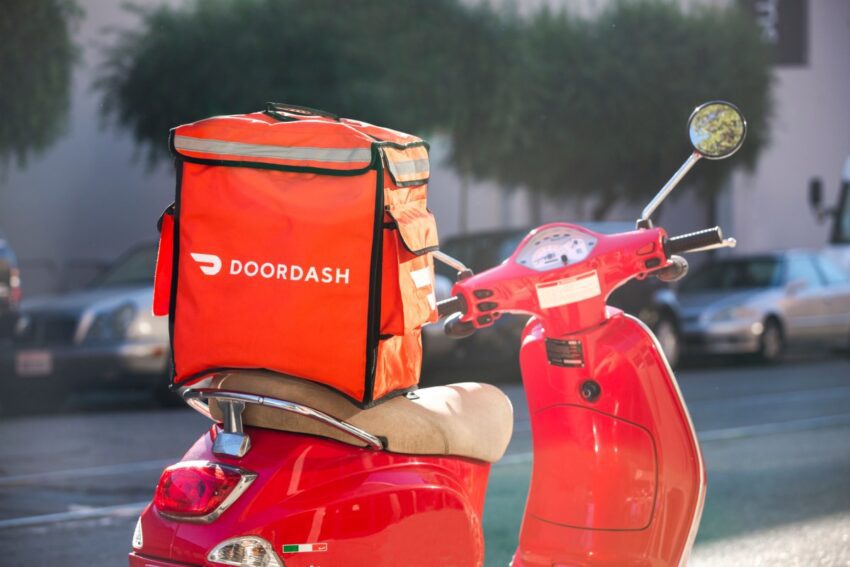
doordash says it banned driver who seemingly DoorDash has confirmed the suspension of a driver who allegedly used an AI-generated image to falsely claim a completed delivery.
doordash says it banned driver who seemingly
Incident Overview
In a recent incident that has garnered significant attention on social media, DoorDash, the popular food delivery service, acknowledged that it banned a driver for allegedly faking a delivery using an AI-generated image. This situation has sparked discussions about the implications of artificial intelligence in the gig economy and the potential for misuse of technology in service-oriented platforms.
Details of the Incident
The controversy began when a DoorDash customer shared their experience online, claiming that their delivery driver had sent a photo of their order at the delivery location. However, upon closer inspection, the customer suspected that the image was not genuine. The photo appeared to be generated by artificial intelligence, leading to questions about the authenticity of the delivery.
DoorDash responded to the viral story by confirming that they had indeed banned the driver involved in the incident. The company stated that they take such matters seriously and are committed to ensuring the integrity of their delivery service. According to a spokesperson for DoorDash, the company has implemented measures to prevent similar occurrences in the future.
Implications of AI in Delivery Services
This incident raises critical questions about the role of artificial intelligence in the gig economy and the potential for misuse. As AI technology continues to advance, its applications are becoming increasingly widespread, including in areas such as image generation and manipulation. While these technologies can enhance efficiency and creativity, they also present risks when misused.
In the context of food delivery services, the ability to generate realistic images could lead to fraudulent activities, undermining the trust between customers and service providers. The DoorDash incident serves as a cautionary tale for other companies in the gig economy, highlighting the need for robust verification systems to ensure the authenticity of deliveries.
Potential Solutions
To mitigate the risks associated with AI misuse, companies like DoorDash may need to consider implementing several strategies:
- Enhanced Verification Processes: Delivery platforms could develop more stringent verification processes for drivers, ensuring that images submitted as proof of delivery are genuine. This could involve requiring multiple angles of the delivery location or incorporating time-stamped images.
- AI Detection Tools: Companies could invest in AI detection tools that can identify whether an image has been manipulated or generated by artificial intelligence. Such tools could help in flagging suspicious submissions before they are accepted as proof of delivery.
- Driver Training: Providing training for drivers on the ethical use of technology and the consequences of fraudulent behavior could also be beneficial. This could foster a culture of integrity within the workforce.
Stakeholder Reactions
The incident has elicited a range of reactions from various stakeholders, including customers, drivers, and industry experts. Many customers expressed concern over the potential for fraud in delivery services, emphasizing the importance of trust in the gig economy. Some took to social media to share their own experiences with delivery issues, highlighting the need for companies to prioritize accountability and transparency.
On the other hand, some drivers have voiced their support for DoorDash’s decision to ban the individual involved in the incident. They argue that fraudulent behavior undermines the hard work of legitimate drivers and can lead to stricter regulations that affect everyone in the industry. This incident has sparked a broader conversation about the challenges faced by gig workers and the importance of maintaining a fair and trustworthy environment.
Industry Expert Insights
Industry experts have weighed in on the implications of this incident for the future of delivery services. Many believe that as technology continues to evolve, companies will need to adapt their strategies to address emerging threats. The use of AI in fraudulent activities is not limited to delivery services; it is a concern across various sectors, including e-commerce and online marketplaces.
Experts suggest that companies should not only focus on reactive measures but also proactively educate their users about the potential risks associated with AI. By fostering awareness and understanding, companies can empower customers and drivers to recognize and report suspicious activities.
Legal and Ethical Considerations
The use of AI-generated content raises legal and ethical questions that companies must navigate. As technology becomes more sophisticated, distinguishing between genuine and manipulated content may become increasingly challenging. This could lead to potential legal ramifications for companies that fail to adequately address fraudulent activities.
Furthermore, ethical considerations come into play when discussing the responsibilities of companies in safeguarding their platforms. Companies must balance the need for innovation with the imperative to maintain trust and integrity. Failure to do so could result in reputational damage and loss of customer loyalty.
Future of AI in the Gig Economy
The DoorDash incident serves as a pivotal moment for the gig economy, prompting companies to reevaluate their approach to technology and fraud prevention. As AI continues to evolve, it is likely that we will see increased scrutiny of its applications in various industries. Companies that prioritize transparency, accountability, and ethical practices will be better positioned to navigate the challenges posed by emerging technologies.
In addition, the incident may encourage regulatory bodies to consider establishing guidelines for the use of AI in service-oriented sectors. Such regulations could help ensure that companies are held accountable for the actions of their users and that consumers are protected from fraudulent activities.
Conclusion
The recent DoorDash incident highlights the complexities and challenges associated with the integration of artificial intelligence in the gig economy. As technology continues to advance, companies must remain vigilant in addressing potential misuse while fostering a culture of trust and integrity. The actions taken by DoorDash in response to this incident may serve as a model for other companies facing similar challenges, emphasizing the importance of proactive measures and ethical considerations in the evolving landscape of delivery services.
Source: Original report
Was this helpful?
Last Modified: January 5, 2026 at 6:44 am
8 views