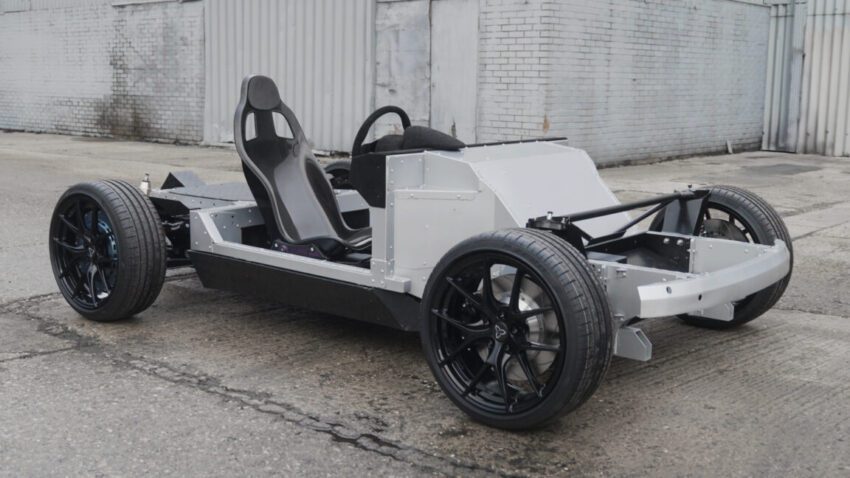
donut lab s hub motor meets watt Donut Lab and WATT Electric Vehicle Company have collaborated to create an innovative electric vehicle skateboard, integrating advanced hub motor technology with a lightweight platform.
donut lab s hub motor meets watt
Introduction to Donut Lab’s Technology
Donut Lab made waves at last year’s Consumer Electronics Show (CES) in Las Vegas with the introduction of its compact yet powerful electric motors. These motors are designed for a variety of applications, showcasing versatility that extends beyond traditional automotive uses. Donut Lab has expressed interest in utilizing its technology in sectors such as drones, wind turbines, and even household appliances like washing machines. This broad applicability highlights the potential impact of their innovations on multiple industries.
Collaboration with WATT Electric Vehicle Company
Fast forward nearly a year, and we are witnessing the first practical application of Donut Lab’s technology in the electric vehicle (EV) sector, thanks to a partnership with WATT Electric Vehicle Company. WATT has previously developed the Passenger and Commercial EV Skateboard (PACES), a lightweight aluminum platform designed specifically for low-volume electric vehicles. This platform serves as a foundation for various vehicle types, and the integration of Donut’s hub motors marks a significant advancement in its capabilities.
Overview of the EV Skateboard Platform
The PACES platform is engineered to be lightweight yet robust, making it suitable for a range of electric vehicles. The integration of Donut Lab’s hub motors into this platform is particularly noteworthy. Initially, the collaboration will feature one hub motor for each rear wheel, with plans for an all-wheel-drive variant in the future. This design choice not only enhances performance but also optimizes space within the vehicle.
Advantages of Hub Motor Technology
Hub motors, which are located in the wheel hubs, offer several advantages over traditional motor placements. One of the most significant benefits is the space efficiency they provide. In conventional electric vehicles, the drive units often require additional space within the chassis, leading to compromises in design and usability. By placing the motors directly in the wheels, the PACES platform can maximize interior space, allowing for more creative vehicle designs.
Potential Applications and Vehicle Configurations
The collaboration between Donut Lab and WATT Electric Vehicle Company opens the door to a myriad of potential applications. The companies envision a versatile platform capable of supporting various vehicle configurations, including:
- Beach buggies
- High-performance sports cars
- Commercial delivery vehicles
This flexibility is particularly appealing in today’s rapidly evolving automotive landscape, where consumer preferences are shifting towards more specialized and diverse vehicle options. The ability to adapt the PACES platform for different uses could position it as a significant player in the electric vehicle market.
Market Implications
The introduction of this innovative EV skateboard comes at a time when the demand for electric vehicles is surging. As governments worldwide push for greener transportation solutions, manufacturers are under increasing pressure to develop efficient and sustainable vehicles. The collaboration between Donut Lab and WATT aligns with these market trends, offering a solution that is not only environmentally friendly but also adaptable to various consumer needs.
Stakeholder Reactions
Initial reactions from industry stakeholders have been positive. Experts in the automotive and technology sectors recognize the potential of combining Donut Lab’s advanced motor technology with WATT’s lightweight platform. Analysts suggest that this collaboration could set a new standard for electric vehicle design, particularly in the low-volume segment, which has traditionally been overlooked by larger manufacturers.
Challenges Ahead
Despite the promising outlook, the partnership faces challenges. The electric vehicle market is highly competitive, with established players and new entrants vying for market share. Donut Lab and WATT will need to navigate these challenges carefully, ensuring that their product stands out in a crowded marketplace. Additionally, scaling production to meet potential demand will require careful planning and investment.
Future Developments
Looking ahead, both companies are committed to further developing their collaboration. Plans for an all-wheel-drive variant of the EV skateboard are already in the works, which could enhance performance and broaden the platform’s appeal. Furthermore, ongoing research and development efforts may lead to additional innovations in battery technology and motor efficiency, further solidifying their position in the electric vehicle landscape.
Battery Technology Integration
One of the key aspects of any electric vehicle is its battery technology. While the current focus is on the integration of Donut Lab’s hub motors, the collaboration with WATT also opens the door for advancements in battery systems. The efficiency of the motors can significantly impact the overall performance and range of the vehicle. As such, both companies may explore partnerships with battery manufacturers to develop optimized energy storage solutions that complement their innovative skateboard design.
Conclusion
The collaboration between Donut Lab and WATT Electric Vehicle Company represents a significant step forward in the electric vehicle industry. By combining advanced hub motor technology with a lightweight, adaptable platform, they are poised to create a versatile solution that meets the evolving demands of consumers. As the market for electric vehicles continues to grow, innovations like this will play a crucial role in shaping the future of transportation.
As both companies move forward, their ability to address challenges and capitalize on opportunities will determine the success of their collaboration. The potential applications of the PACES platform are vast, and with continued development, it could redefine how we think about electric vehicles in the years to come.
Source: Original report
Was this helpful?
Last Modified: December 18, 2025 at 9:40 am
5 views