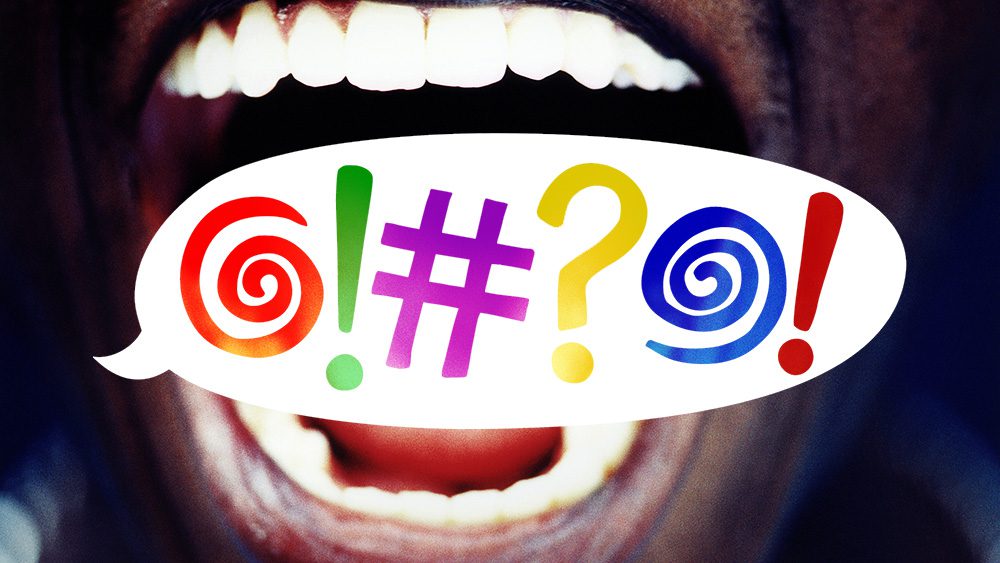
does swearing make you stronger science says Recent research suggests that swearing may not only provide relief from pain but also enhance physical strength and endurance.
does swearing make you stronger science says
The Hypoalgesic Effect of Swearing
Swearing, often dismissed as a mere social faux pas or a sign of a lack of vocabulary, is gaining recognition in scientific circles for its potential benefits. The phenomenon known as the “hypoalgesic effect of swearing” refers to the ability of curse words to reduce the perception of pain. This intriguing concept has been the subject of various studies, culminating in a recent paper published in the journal American Psychologist. The findings indicate that swearing can not only alleviate pain but may also enhance physical performance.
Background of the Research
The exploration of swearing’s effects on pain began with the curiosity of Richard Stephens, a psychologist at Keele University. His interest was piqued during a personal experience when he observed his wife using colorful language while giving birth. This led him to question whether swearing could serve a functional purpose in pain management. “Swearing is such a common response to pain. There has to be an underlying reason why we do it,” Stephens remarked in an interview with Scientific American after the publication of a 2009 study that later earned the 2010 Ig Nobel Peace Prize.
In that groundbreaking study, Stephens and his team recruited 67 college students to participate in an experiment involving pain tolerance. Participants were asked to immerse their hands in ice water, a task known for its discomfort. They were divided into two groups: one group was instructed to swear repeatedly using any profanity of their choice, while the other group was asked to chant a neutral word. The results were striking; those who swore reported a significant reduction in pain and were able to keep their hands submerged for approximately 40 seconds longer than their non-swearing counterparts.
Mechanisms Behind the Effect
While the precise mechanisms behind the hypoalgesic effect of swearing remain a topic of ongoing research, several theories have emerged. One prominent explanation is that swearing triggers a fight-or-flight response, releasing adrenaline and endorphins into the bloodstream. These chemicals can create a sense of euphoria and temporarily mask pain. This reaction may be an evolutionary adaptation, allowing individuals to endure injuries and continue functioning in dangerous situations.
Another theory posits that swearing serves as a form of catharsis, allowing individuals to express their emotions more freely. This emotional release can lead to a reduction in stress and anxiety, both of which can exacerbate the perception of pain. By vocalizing their frustrations or discomfort through swearing, individuals may find a sense of relief that contributes to their overall pain tolerance.
Swearing and Physical Performance
In addition to pain relief, recent studies have suggested that swearing may also enhance physical strength and endurance. The same mechanisms that help alleviate pain could potentially boost athletic performance. For instance, swearing during strenuous activities may help individuals push through barriers, enabling them to exert more effort and achieve better results.
Research on Physical Performance
A study conducted by Stephens and his colleagues further investigated the relationship between swearing and physical performance. Participants were asked to perform a series of exercises while either swearing or using neutral language. The results indicated that those who swore were able to exert more force and complete tasks more efficiently than those who did not. This finding aligns with the notion that swearing can serve as a motivational tool, providing individuals with the mental fortitude to tackle challenging physical tasks.
Implications for Athletes and Fitness Enthusiasts
The implications of these findings are particularly relevant for athletes and fitness enthusiasts. Incorporating swearing into training regimens may serve as a psychological boost, helping individuals overcome mental barriers and enhance their performance. Coaches and trainers might consider encouraging athletes to express themselves vocally during intense workouts, potentially leading to improved results.
Societal Perspectives on Swearing
Despite the growing body of evidence supporting the benefits of swearing, societal attitudes toward profanity remain mixed. In many cultures, swearing is still viewed as inappropriate or disrespectful. This stigma can lead to feelings of guilt or shame associated with using curse words, even in contexts where they may provide relief or motivation.
Cultural Variations
Cultural attitudes toward swearing can vary significantly across different societies. In some cultures, profanity is more accepted and integrated into everyday language, while in others, it is strictly taboo. For instance, in certain contexts, swearing can be seen as a sign of authenticity or emotional honesty. In contrast, in more conservative cultures, it may be viewed as a lack of self-control or respect.
Understanding these cultural nuances is essential for researchers and practitioners exploring the benefits of swearing. It is crucial to consider the context in which profanity is used and the potential implications for individuals’ mental and emotional well-being.
Future Research Directions
As the scientific community continues to explore the effects of swearing, several avenues for future research emerge. One area of interest is the long-term effects of swearing on pain management and physical performance. While current studies demonstrate immediate benefits, it remains unclear whether these effects are sustained over time.
Potential Applications in Therapy
Another promising direction for research is the potential application of swearing in therapeutic settings. For individuals dealing with chronic pain or stress-related disorders, incorporating swearing into therapeutic practices may provide a novel approach to pain management. Therapists could explore the use of profanity as a tool for emotional expression, helping clients articulate their feelings and experiences more effectively.
Broader Implications for Mental Health
The implications of swearing extend beyond physical performance and pain relief; they also touch on broader mental health concerns. As society becomes increasingly aware of the importance of mental well-being, understanding the role of swearing in emotional expression could contribute to more effective coping strategies. Encouraging individuals to embrace their emotions, including frustration and anger, may lead to healthier emotional regulation and resilience.
Conclusion
The growing body of evidence supporting the benefits of swearing challenges traditional perceptions of profanity. While societal norms may still frown upon the use of curse words, the scientific community is beginning to recognize their potential advantages in pain management and physical performance. As research continues to unfold, it is essential to approach the topic with an open mind, considering the cultural and emotional contexts in which swearing occurs. Understanding the complexities of swearing can pave the way for new insights into human behavior, pain management, and emotional expression.
Source: Original report
Was this helpful?
Last Modified: December 18, 2025 at 9:36 pm
2 views