As technology evolves, the packaging of new smartphones is undergoing significant changes, leading to a growing trend of minimalism in product boxes.
The Evolution of Smartphone Packaging
Smartphone packaging has transformed dramatically over the years. In the early days of mobile technology, boxes were often filled with a variety of accessories, including chargers, headphones, and user manuals. However, as the industry has progressed, manufacturers have begun to streamline their packaging, focusing on sustainability and cost-effectiveness.
From Abundance to Minimalism
In the past, consumers could expect to find a plethora of items within their smartphone boxes. These included:
- Charger adapters
- USB cables
- Headphones
- User manuals
- Screen protectors
However, as the market has matured, many companies have opted to reduce the number of items included in the box. This shift is not merely a matter of aesthetics; it reflects broader trends in consumer behavior and environmental considerations.
Reasons Behind the Shift
Sustainability Concerns
One of the primary drivers behind the reduction in packaging contents is the growing emphasis on sustainability. As awareness of environmental issues increases, consumers are becoming more conscious of their purchasing decisions. Many smartphone manufacturers are responding to this demand by minimizing waste and reducing their carbon footprints.
For instance, companies like Apple and Samsung have made headlines by eliminating chargers from their smartphone boxes. Apple, in particular, has faced scrutiny for its decision to remove the charger from the iPhone 12 box, arguing that it reduces electronic waste and encourages users to utilize existing chargers. This move has sparked debates about whether consumers truly benefit from such changes or if they are merely being asked to adapt to corporate cost-cutting measures.
Cost-Effectiveness
Another significant factor influencing the trend towards minimal packaging is cost-effectiveness. By reducing the number of items included in the box, manufacturers can lower production and shipping costs. This strategy allows companies to allocate resources more efficiently, potentially leading to lower prices for consumers.
However, this approach raises questions about the long-term implications for consumer satisfaction. While some users may appreciate the lower price point, others may feel shortchanged by the lack of accessories that were once standard. The balance between cost and consumer expectations is a delicate one that manufacturers must navigate carefully.
Consumer Reactions
Mixed Responses
Consumer reactions to the trend of minimal packaging have been mixed. While some users appreciate the focus on sustainability and the potential cost savings, others express frustration over the lack of essential accessories.
For example, many users have taken to social media to voice their opinions. Some argue that the removal of chargers and headphones forces them to spend more money on additional accessories, negating any savings from the initial purchase. Others contend that they already own multiple chargers and headphones, making the inclusion of these items unnecessary.
Impact on Accessory Markets
The shift towards minimal packaging has also had a noticeable impact on the accessory market. As manufacturers reduce the number of included items, third-party accessory makers have seen an uptick in demand for chargers, cables, and other peripherals. This trend has opened new opportunities for businesses specializing in smartphone accessories, as consumers seek to fill the gaps left by manufacturers.
However, this shift also raises concerns about the quality and compatibility of third-party accessories. While some consumers may opt for cheaper alternatives, others may find themselves frustrated by subpar products that do not meet their needs. The challenge for consumers is to navigate the vast array of options available while ensuring they choose reliable products.
The Future of Smartphone Packaging
Potential Innovations
As the trend towards minimalism continues, it is likely that manufacturers will explore innovative packaging solutions that align with consumer expectations and environmental goals. Some potential innovations could include:
- Biodegradable packaging materials
- Modular packaging designs that allow for customization
- Enhanced user manuals available digitally
These innovations could help bridge the gap between sustainability and consumer satisfaction, providing a more holistic approach to smartphone packaging.
Regulatory Considerations
As the industry evolves, regulatory considerations may also play a role in shaping packaging practices. Governments around the world are increasingly focusing on environmental regulations, which could lead to stricter guidelines for packaging materials and waste management. Manufacturers will need to stay ahead of these regulations to avoid potential penalties and maintain consumer trust.
Conclusion
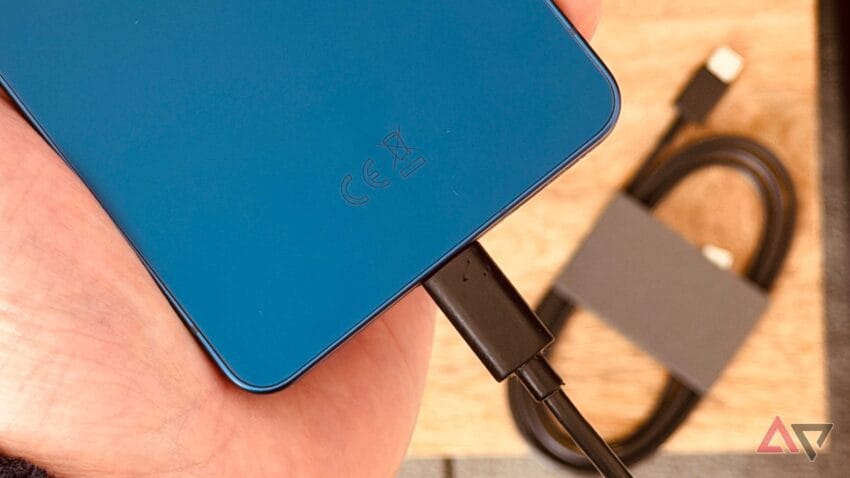
The trend towards minimalism in smartphone packaging reflects broader societal shifts towards sustainability and cost-effectiveness. While consumers have mixed reactions to the reduction of included accessories, manufacturers must navigate the delicate balance between cost savings and consumer expectations. As the industry continues to evolve, innovations in packaging and regulatory considerations will likely shape the future of smartphone packaging. Ultimately, the question remains: do consumers really need another USB-C cable, or can they adapt to a new era of minimalism in technology?
do you really need another usb-c cable Source: Original report
do you really need another usb-c cable
Was this helpful?
Last Modified: October 14, 2025 at 5:27 am
7 views