dhs keeps trying and failing to unmask The Department of Homeland Security (DHS) has backed down from a fight to unmask the owners of Instagram and Facebook accounts monitoring Immigration and Customs Enforcement (ICE) activity in Pennsylvania.
dhs keeps trying and failing to unmask
Background of the Case
The legal battle began when an anonymous account holder, referred to as John Doe, filed a lawsuit against ICE, seeking to prevent the agency from identifying him and other critics through summonses issued to Meta, the parent company of Facebook and Instagram. Doe argued that these summonses infringed upon his First Amendment rights, which protect free speech and the right to assemble. The case highlights a significant tension between government surveillance and individual privacy rights, particularly in the context of social media.
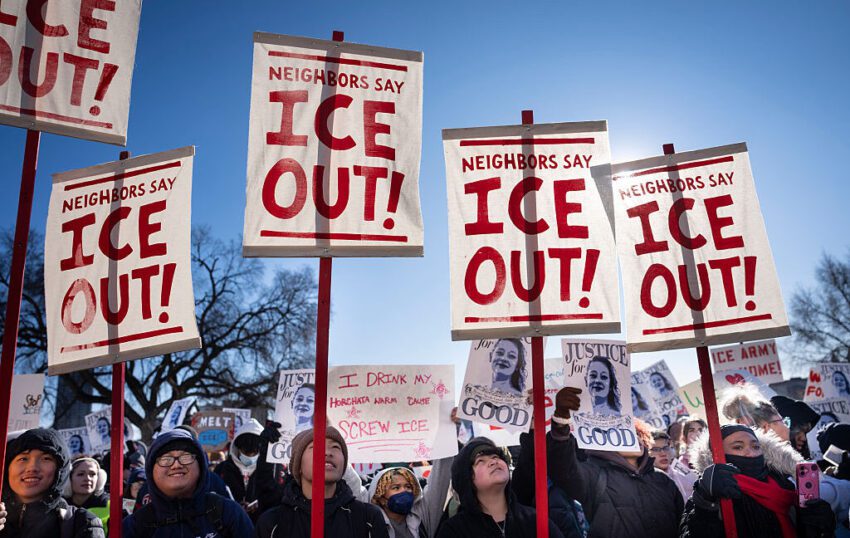
John Doe’s accounts were part of a broader movement aimed at monitoring and documenting ICE activities, particularly in light of increasing scrutiny and criticism of the agency’s practices. This movement has gained traction as more individuals and organizations have sought to hold ICE accountable for its actions, especially regarding immigration enforcement and deportations. The use of social media platforms for this purpose has become a double-edged sword; while it allows for greater transparency and community engagement, it also raises concerns about the potential for government retaliation against those who speak out.
DHS’s Initial Stance
Initially, the DHS took a hardline approach, arguing that the activities of these community watch groups posed a direct threat to ICE agents. The agency claimed that the accounts were posting sensitive information, including “pictures and videos of agents’ faces, license plates, and weapons,” which they argued could endanger the lives of those agents. This assertion was part of a broader narrative that DHS Secretary Kristi Noem has promoted, suggesting that identifying ICE agents constitutes a criminal act.
However, critics of this stance pointed out that many ICE employees publicly share their professional information on platforms like LinkedIn, making it relatively easy to identify them. This contradiction raised questions about the DHS’s motivations in pursuing the unmasking of anonymous critics. The agency’s claims seemed to reflect a broader strategy to suppress dissent and discourage public scrutiny of its operations.
Legal Proceedings and Arguments
As the case progressed, John Doe’s legal team argued that the summonses issued to Meta were not only an infringement on free speech but also an attempt to intimidate and silence critics of ICE. They contended that the right to monitor and report on government activities is a fundamental aspect of democratic society, particularly in the context of law enforcement agencies that wield significant power over individuals’ lives.
The legal arguments presented by Doe’s team emphasized the importance of anonymity in protecting individuals who engage in activism or dissent. They cited various precedents that support the notion that anonymous speech is a protected form of expression under the First Amendment. The team argued that forcing individuals to reveal their identities could have a chilling effect on free speech, deterring others from participating in similar activities for fear of retaliation.
DHS’s Counterarguments
In response, the DHS maintained that the safety of its agents was paramount. The agency argued that the information shared by the anonymous accounts could lead to harassment or violence against ICE personnel. This argument, however, was met with skepticism from civil liberties advocates, who pointed out that the DHS had not provided substantial evidence to support its claims of imminent danger.
Furthermore, critics argued that the DHS’s focus on unmasking critics was a misguided attempt to shift attention away from the agency’s controversial practices. By framing the issue as one of safety, the DHS sought to delegitimize the concerns raised by activists and community members who were merely exercising their rights to free speech and assembly.
The Outcome of the Legal Battle
Ultimately, the DHS’s efforts to unmask John Doe and other critics were unsuccessful. The agency backed down from its attempts to enforce the summonses, allowing Doe and others to maintain their anonymity. This outcome was seen as a significant victory for free speech advocates and a reaffirmation of the importance of protecting dissent in a democratic society.
The decision also underscored the growing recognition of the role that social media plays in facilitating activism and community engagement. As more individuals turn to platforms like Instagram and Facebook to document and critique government actions, the legal landscape surrounding online anonymity and free speech will likely continue to evolve.
Implications for Activism and Government Accountability
The outcome of this case has broader implications for the relationship between government agencies and the public. It highlights the challenges that activists face in holding powerful institutions accountable, particularly when those institutions attempt to use legal mechanisms to suppress dissent. The case serves as a reminder that the right to speak out against government actions is a fundamental aspect of democracy, and efforts to stifle that right can have far-reaching consequences.
Moreover, the case raises important questions about the balance between national security and individual rights. As government agencies increasingly turn to surveillance and data collection to monitor public dissent, the need for robust legal protections for free speech becomes even more critical. This case may set a precedent for future legal battles involving anonymous speech and government accountability, particularly in the context of social media.
Reactions from Stakeholders
The reactions to the DHS’s decision to back down from its attempts to unmask critics were mixed. Civil liberties organizations and free speech advocates celebrated the outcome as a victory for individual rights and a reaffirmation of the importance of anonymity in activism. They emphasized that the ruling sends a strong message to government agencies that attempts to silence dissent will not be tolerated.
On the other hand, some law enforcement officials and supporters of ICE expressed concern about the implications of the ruling. They argued that the ability to identify individuals who monitor and report on law enforcement activities is crucial for ensuring the safety of officers and maintaining public order. This perspective reflects a broader tension between the need for transparency and accountability in law enforcement and the perceived need for security and protection of personnel.
Conclusion
The legal battle between the DHS and John Doe serves as a critical case study in the ongoing struggle for free speech and government accountability in the digital age. As social media continues to play an increasingly prominent role in activism, the need for legal protections for anonymous speech will remain a pressing issue. The outcome of this case not only reinforces the importance of protecting dissent but also highlights the challenges that activists face in navigating a complex legal landscape.
As the relationship between government agencies and the public continues to evolve, it is essential for individuals and organizations to remain vigilant in defending their rights to free speech and assembly. The implications of this case will likely resonate for years to come, shaping the future of activism and government accountability in the United States.
Source: Original report
Was this helpful?
Last Modified: January 24, 2026 at 7:38 am
2 views