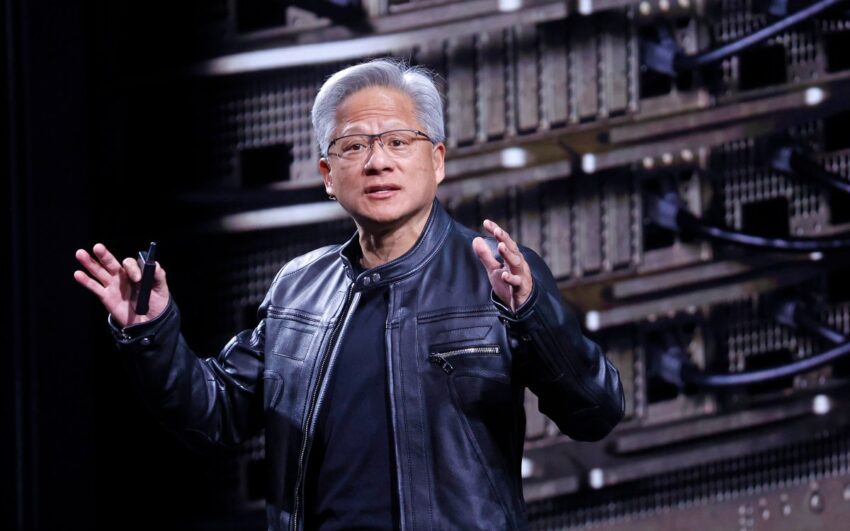
department of commerce approves nvidia h200 chip The U.S. Department of Commerce has approved the export of Nvidia’s H200 chips to China, a significant development in the ongoing discourse surrounding technology exports and national security.
department of commerce approves nvidia h200 chip
Background on the H200 Chip
The Nvidia H200 chip is a state-of-the-art processor designed for artificial intelligence (AI) applications, particularly in data centers. It boasts enhanced performance capabilities, making it a critical component for companies looking to leverage AI technologies for various applications, including machine learning, data analytics, and cloud computing. The approval for its export to China marks a pivotal moment, given the geopolitical tensions and trade restrictions that have characterized U.S.-China relations in recent years.
Technological Significance
The H200 chip is part of Nvidia’s broader strategy to dominate the AI hardware market. With its advanced architecture, it offers significant improvements in processing speed and efficiency compared to its predecessors. This chip is expected to play a crucial role in powering AI-driven applications across various sectors, including finance, healthcare, and autonomous vehicles. By allowing exports to China, the U.S. is acknowledging the demand for such technology in one of the world’s largest markets.
Political Context
The approval of the H200 chip exports comes amidst a complex political landscape. Recently, a bill was introduced in Congress aimed at preventing such exports, highlighting the contentious nature of technology trade between the U.S. and China. This legislative effort underscores concerns regarding national security and the potential for advanced technologies to be utilized in ways that could threaten U.S. interests.
Legislative Developments
The bill introduced in Congress seeks to impose stricter regulations on technology exports, particularly those that could enhance China’s military capabilities or surveillance technologies. Proponents of the bill argue that allowing the export of advanced chips like the H200 could inadvertently empower adversarial nations, thereby compromising U.S. security. The timing of the Department of Commerce’s approval raises questions about the government’s stance on balancing economic interests with national security concerns.
Stakeholder Reactions
The approval has elicited a range of responses from various stakeholders, including government officials, industry leaders, and advocacy groups.
Government Officials
Some government officials have expressed concern over the decision, emphasizing the need for a more cautious approach to technology exports. They argue that the potential benefits of economic engagement with China must be weighed against the risks associated with enabling a strategic competitor. Others, however, have pointed to the importance of maintaining a competitive edge in the global technology market, suggesting that restricting exports could hinder U.S. companies’ growth and innovation.
Industry Perspectives
Industry leaders have largely welcomed the approval, viewing it as an opportunity to tap into the lucrative Chinese market. Nvidia, in particular, has been vocal about the necessity of accessing international markets to sustain its growth trajectory. The company argues that its technology can foster innovation and economic development, not just in China but globally. However, there are concerns within the industry regarding the potential backlash from U.S. lawmakers and the implications for future exports.
Advocacy Groups
Advocacy groups focused on national security have raised alarms about the decision, arguing that it could lead to unintended consequences. They contend that advanced technologies like the H200 chip could be repurposed for military applications or used to enhance China’s surveillance capabilities. These groups are likely to intensify their lobbying efforts in Congress to push for stricter export controls and greater oversight of technology transfers to China.
Implications for U.S.-China Relations
The approval of the H200 chip exports is likely to have far-reaching implications for U.S.-China relations. As both nations navigate a complex web of economic interdependence and strategic rivalry, decisions regarding technology exports will play a critical role in shaping the future of their relationship.
Economic Interdependence
The technology sector is a key area of economic interdependence between the U.S. and China. Many U.S. tech companies rely on the Chinese market for significant revenue streams, while China benefits from access to cutting-edge technologies that drive its economic growth. The approval of the H200 chip exports could be seen as a recognition of this interdependence, suggesting that both nations may seek to find a balance between competition and collaboration.
Strategic Rivalry
Conversely, the approval could exacerbate tensions between the two countries. As the U.S. continues to grapple with concerns about China’s rising technological capabilities, decisions to export advanced technologies may be viewed as a threat to national security. This could lead to a tit-for-tat response from China, potentially resulting in retaliatory measures that further strain relations.
Future Outlook
Looking ahead, the approval of the H200 chip exports could set a precedent for future technology transfers between the U.S. and China. As both nations continue to navigate the complexities of their relationship, the implications of this decision will likely be felt across various sectors.
Potential for Increased Scrutiny
In light of the recent congressional bill and the heightened scrutiny surrounding technology exports, companies may face increased pressure to demonstrate the security and ethical implications of their products. This could lead to a more rigorous review process for future exports, particularly those involving advanced technologies.
Impact on Innovation
On the other hand, the approval may encourage further innovation within the tech industry. By allowing companies like Nvidia to access the Chinese market, there is potential for collaborative efforts that could drive advancements in AI and other technologies. However, this must be balanced against the need for responsible technology transfer practices that prioritize national security.
Conclusion
The approval of Nvidia’s H200 chip exports to China represents a significant development in the ongoing dialogue surrounding technology trade and national security. As stakeholders from various sectors weigh in on the implications of this decision, it is clear that the balance between economic interests and security concerns will continue to shape the future of U.S.-China relations. The coming months will likely see intensified discussions in Congress and among industry leaders as they navigate the complexities of this critical issue.
Source: Original report
Was this helpful?
Last Modified: December 9, 2025 at 3:39 am
4 views