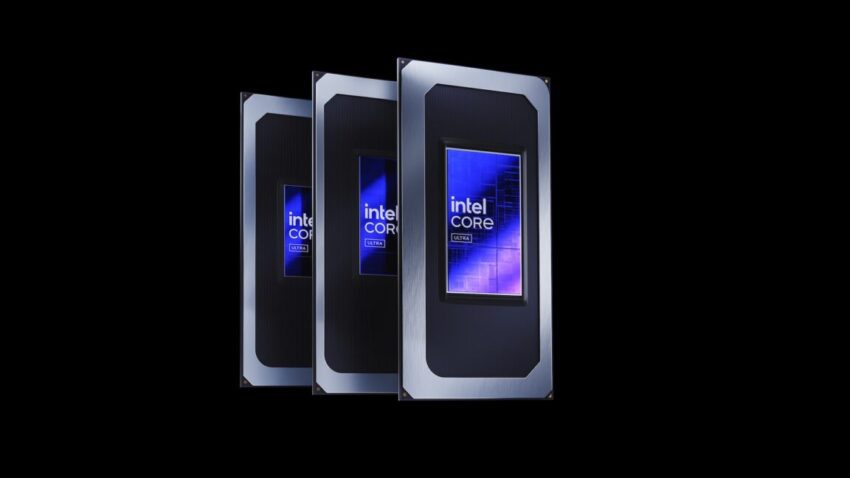
demand for intel s processors is apparently Intel’s recent earnings report reveals a complex landscape for the semiconductor giant, highlighting a notable disparity between demand and supply for its products.
demand for intel s processors is apparently
Fourth Quarter Earnings Overview
Intel released its earnings report for the fourth quarter of 2025, presenting a mixed bag of results that reflect both challenges and opportunities within the company. Total revenue for the year saw a slight decline, dropping from $53.1 billion in 2024 to $52.9 billion in 2025. This marginal decrease signals a relatively stable performance in a highly competitive market. However, when examining the quarterly figures, the situation appears more concerning: Intel’s revenue fell by approximately four percent, from $14.3 billion in Q4 2024 to $13.7 billion in Q4 2025. Despite this decline, the quarterly revenue was on the higher end of Intel’s guidance, which had estimated a range between $12.8 billion and $13.8 billion.
Segment Performance Analysis
To better understand the dynamics at play, it is essential to delve into the performance of Intel’s various business segments. The company reported a significant increase in revenue from its data center and AI products, which rose by nine percent for the quarter and five percent for the year. This growth underscores the increasing demand for data processing capabilities and artificial intelligence solutions, areas where Intel has been focusing its resources and innovation efforts.
Conversely, the client computing group, which encompasses Intel’s Core processors, Arc GPUs, and other consumer products, experienced a downturn. Revenue from this segment decreased by seven percent for the quarter and three percent for the year. This decline can be attributed to several factors, including market saturation, increased competition from rival chip manufacturers, and shifting consumer preferences.
Challenges in Supply Chain
Intel’s executives addressed the challenges the company faces during the earnings call, emphasizing the ongoing supply chain issues that have plagued the semiconductor industry for several years. Despite the evident demand for Intel’s products, the company is struggling to produce and procure enough chips to meet this demand. This situation has led to a strategic decision to prioritize chip allocation toward the more profitable segments, particularly data center and AI products, rather than consumer processors.
This prioritization raises concerns about potential shortages and price increases for consumer processors, especially as Intel prepares to launch its highly anticipated Core Ultra Series 3 processors, codenamed Panther Lake. The upcoming launch is seen as a critical moment for Intel, as it seeks to regain market share and enhance its competitive standing in the consumer space.
Market Dynamics and Competitive Landscape
The semiconductor market is characterized by rapid technological advancements and fierce competition. Companies like AMD, NVIDIA, and ARM have emerged as formidable challengers to Intel’s dominance, particularly in the consumer and gaming segments. AMD’s Ryzen processors and NVIDIA’s GPUs have gained significant traction, appealing to consumers seeking high-performance computing solutions at competitive prices.
As a result, Intel’s ability to innovate and respond to market demands is more crucial than ever. The company must not only address its supply chain issues but also enhance its product offerings to remain relevant in a landscape that is increasingly defined by performance and efficiency.
Implications for Consumers
The potential for shortages and price increases in consumer processors could have far-reaching implications for end-users. Gamers, content creators, and everyday consumers who rely on Intel’s products may face challenges in obtaining the latest technology at reasonable prices. This situation could lead to a shift in consumer behavior, with some opting for alternative brands or delaying upgrades until prices stabilize.
Moreover, the launch of the Core Ultra Series 3 processors is expected to generate significant interest. However, if supply constraints persist, consumers may find it difficult to access these new products. This could result in a missed opportunity for Intel to capitalize on the excitement surrounding its latest offerings.
Stakeholder Reactions
Reactions from stakeholders, including investors, analysts, and consumers, have been varied in response to Intel’s earnings report and the challenges it faces. Investors are likely to be concerned about the company’s ability to navigate supply chain issues while maintaining profitability. The mixed earnings report may lead to questions about Intel’s long-term growth prospects and its strategy for addressing competitive pressures.
Analysts have noted that while the growth in data center and AI products is promising, the decline in consumer product revenue raises red flags. Some experts suggest that Intel must accelerate its innovation cycle and enhance its marketing strategies to regain consumer confidence and market share.
Consumers, on the other hand, are left to navigate a landscape where availability and pricing of Intel’s products may be uncertain. Many are keenly aware of the ongoing chip shortages and their impact on the tech industry, leading to heightened scrutiny of pricing and product availability.
Future Outlook
Looking ahead, Intel’s future hinges on its ability to address supply chain challenges while simultaneously investing in research and development. The company has announced plans to ramp up production capabilities and expand its manufacturing footprint, which could help alleviate some of the supply constraints it currently faces. However, the timeline for these improvements remains uncertain.
Additionally, Intel’s commitment to advancing its technology roadmap will be critical in maintaining its competitive edge. The upcoming launch of the Core Ultra Series 3 processors represents a pivotal moment for the company, as it seeks to reestablish itself as a leader in the consumer market. Success in this endeavor will depend not only on product performance but also on the company’s ability to effectively manage supply and demand dynamics.
Conclusion
Intel’s fourth-quarter earnings report paints a picture of a company grappling with both opportunities and challenges. While the growth in data center and AI products offers a glimmer of hope, the decline in consumer product revenue and ongoing supply chain issues pose significant hurdles. As Intel prepares for the launch of its Core Ultra Series 3 processors, the company must navigate a complex landscape defined by competition, consumer expectations, and supply constraints. The coming months will be crucial in determining whether Intel can successfully reposition itself in the market and meet the demands of its diverse customer base.
Source: Original report
Was this helpful?
Last Modified: January 24, 2026 at 7:37 am
1 views