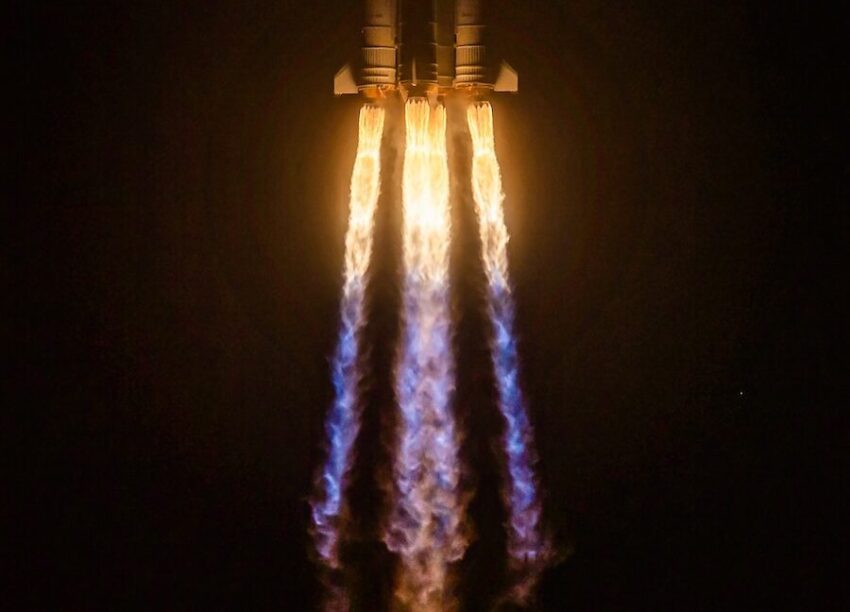
congress warned that nasa s current plan U.S. lawmakers are increasingly concerned that without significant intervention, China may achieve a crewed lunar landing before the United States can successfully return to the Moon through its Artemis Program.
congress warned that nasa s current plan
Growing Concerns Over Lunar Competition
In recent months, the urgency surrounding the Artemis Program has intensified as U.S. legislators grapple with the implications of China’s advancing space capabilities. The realization that China could potentially land humans on the Moon before the United States has prompted a reevaluation of NASA’s current strategies and funding allocations. This concern is not merely speculative; it reflects a broader geopolitical context where space exploration is increasingly viewed as a measure of national prestige and technological prowess.
During a recent hearing held by a subcommittee of the House Committee on Space, Science, and Technology, lawmakers expressed their apprehensions about the implications of Chinese advancements in civil spaceflight. The hearing served as a platform for experts to discuss the challenges facing NASA and the Artemis Program, particularly in light of the competitive landscape that has emerged in the realm of lunar exploration.
The Artemis Program: A Critical Initiative
The Artemis Program, initiated by NASA, aims to return humans to the Moon by the mid-2020s, with aspirations to establish a sustainable human presence there by the end of the decade. This initiative is not only about lunar exploration; it is also seen as a stepping stone for future missions to Mars and beyond. However, the program has faced numerous delays and budgetary constraints that have raised questions about its feasibility and timeline.
Despite the ambitious goals set forth by NASA, the reality is that the program has encountered significant hurdles. A $10 billion infusion into NASA’s budget this past summer, while substantial, has not translated into the necessary funding for critical components of the Artemis Program. As a result, lawmakers are increasingly vocal about the need for a reevaluation of NASA’s funding priorities to ensure that the United States does not fall behind in the race for lunar exploration.
Expert Insights and Recommendations
During the subcommittee hearing, experts provided insights into how NASA could enhance its efforts to maintain leadership in space exploration. They emphasized the importance of strategic investments and timely execution of the Artemis Program. Key recommendations included:
- Increased Funding: Experts underscored the need for a more robust budget allocation to support the Artemis Program, particularly for the development of the Space Launch System (SLS) and the Orion spacecraft.
- Public-Private Partnerships: The panel discussed the potential benefits of fostering collaborations with private companies to accelerate technological advancements and reduce costs associated with lunar missions.
- Streamlined Processes: Experts called for a review of NASA’s internal processes to identify and eliminate bureaucratic inefficiencies that could delay project timelines.
These recommendations reflect a growing consensus among lawmakers and experts that decisive action is necessary to ensure the success of the Artemis Program and to counteract the competitive threat posed by China.
China’s Lunar Ambitions
China’s space program has made significant strides in recent years, culminating in a series of successful lunar missions. The country’s Chang’e program has successfully landed robotic missions on the Moon, including the Chang’e 4 mission, which achieved the first-ever landing on the far side of the Moon in 2019. These accomplishments have not only demonstrated China’s technological capabilities but have also positioned the country as a formidable competitor in the realm of space exploration.
Chinese officials have expressed ambitions to send humans to the Moon by the mid-2020s, a timeline that aligns closely with NASA’s Artemis goals. This has raised alarms among U.S. lawmakers, who fear that a successful crewed lunar landing by China could shift the balance of power in space exploration and diminish U.S. influence in international space policy.
Implications for U.S. Space Policy
The implications of China’s lunar ambitions extend beyond mere competition; they touch upon national security, technological leadership, and international collaboration in space. As space becomes an increasingly contested domain, U.S. lawmakers are recognizing the need for a cohesive and proactive space policy that addresses these challenges.
One of the primary concerns is the potential for a “space race” reminiscent of the Cold War era. Lawmakers are wary of a scenario where the U.S. falls behind in technological advancements, which could have far-reaching consequences for national security and global standing. The hearing underscored the importance of not only maintaining a competitive edge in space but also fostering international partnerships that can enhance collaborative efforts in exploration and research.
Stakeholder Reactions
The reactions from various stakeholders, including industry leaders, scientists, and policymakers, have been mixed but largely aligned in their call for action. Industry leaders have expressed support for increased funding and collaboration with NASA, emphasizing that a robust space economy is vital for the nation’s future. They argue that public-private partnerships can drive innovation and efficiency, ultimately benefiting the Artemis Program and U.S. space exploration as a whole.
Scientists have echoed these sentiments, highlighting the importance of sustained investment in space research and exploration. They argue that a failure to prioritize lunar missions could hinder scientific advancements and limit opportunities for international collaboration in space science.
On the political front, bipartisan support for the Artemis Program has been evident, although some lawmakers have raised concerns about the pace of progress. The recent hearing served as a reminder that while there is a shared commitment to advancing U.S. space capabilities, there is also a pressing need for accountability and transparency in NASA’s operations.
Future Prospects for Artemis
Looking ahead, the future of the Artemis Program hinges on several critical factors. First and foremost is the need for a clear and actionable plan that addresses the current challenges facing NASA. This includes not only securing adequate funding but also ensuring that the agency can effectively manage its resources and timelines.
Moreover, as the geopolitical landscape continues to evolve, the U.S. must remain vigilant in its efforts to foster international collaborations that can enhance its position in space. Engaging with allies and partners in space exploration can create opportunities for shared missions and research, ultimately benefiting all parties involved.
As the subcommittee continues to review NASA’s policies and strategies, it is clear that the stakes are high. The outcome of these discussions will have lasting implications for the future of U.S. space exploration and its ability to maintain leadership in an increasingly competitive environment.
Conclusion
The recent congressional hearing has highlighted the urgent need for action regarding NASA’s Artemis Program in the face of growing competition from China. As lawmakers grapple with the implications of potential delays and funding shortfalls, the call for a reevaluation of NASA’s strategies has never been more critical. The future of U.S. lunar exploration hangs in the balance, and decisive action is required to ensure that the nation remains at the forefront of space exploration.
Source: Original report
Was this helpful?
Last Modified: December 5, 2025 at 4:36 am
3 views