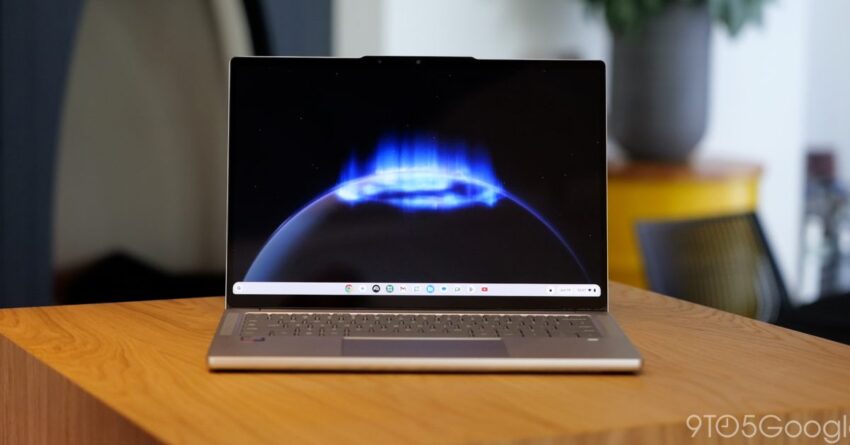
chromeos will be phased out in 2034 Recent court documents have revealed Google’s intentions regarding the future of ChromeOS and the anticipated arrival of Android’s desktop UI, suggesting a significant shift in the company’s operating system strategy.
chromeos will be phased out in 2034
Overview of ChromeOS and Its Current Position
ChromeOS, Google’s lightweight operating system, has been a staple in the education sector and among budget-conscious consumers since its launch in 2011. Designed primarily for web-based applications, ChromeOS has gained traction due to its simplicity, speed, and security features. The operating system is built around the Chrome browser, allowing users to access a wide range of applications and services through the cloud.
As of now, ChromeOS powers a variety of devices, including Chromebooks, Chromeboxes, and Chromebases. Its integration with Google services, such as Google Drive and Google Docs, has made it particularly appealing for educational institutions and businesses looking for cost-effective computing solutions. However, the landscape of personal computing is evolving, and new developments may challenge ChromeOS’s dominance.
Insights from Court Documents
The recent court documents have provided insights into Google’s long-term strategy for its operating systems. According to these documents, Google plans to phase out ChromeOS by 2034, transitioning users to a new Android desktop environment. This shift indicates a significant pivot in Google’s approach to desktop computing, as it seeks to unify its operating systems under the Android brand.
Reasons Behind the Transition
Several factors contribute to Google’s decision to phase out ChromeOS:
- Market Demand: As users increasingly seek more versatile and powerful computing experiences, the limitations of ChromeOS have become more apparent. While it excels in web-based tasks, it struggles with resource-intensive applications that are commonplace in professional environments.
- Integration of Android: Android has established itself as a dominant mobile operating system, powering billions of devices worldwide. By transitioning to an Android-based desktop UI, Google aims to leverage its existing ecosystem and provide a more seamless experience across devices.
- Competition: The rise of Windows and macOS as robust desktop operating systems has pressured Google to enhance its offerings. By focusing on Android for desktops, Google can better compete with these established platforms.
The Future of Android on Desktop
Google’s plans for an Android desktop UI are still in the early stages, but the implications of this transition could be far-reaching. The Android operating system has already made strides in the tablet and hybrid markets, but its adaptation for traditional desktop environments presents unique challenges and opportunities.
Potential Features of Android Desktop UI
While specific details about the Android desktop UI remain sparse, several features can be anticipated based on existing Android capabilities:
- Multi-Window Support: Android has made significant improvements in multi-tasking, allowing users to run multiple applications simultaneously. This feature will be crucial for a desktop environment where users expect to manage several tasks at once.
- App Compatibility: One of the significant advantages of an Android desktop UI would be the ability to run a vast array of applications available on the Google Play Store. This could significantly enhance the functionality of desktop devices.
- Seamless Integration: Users could benefit from a more integrated experience across their Android devices, allowing for features like file sharing and notifications to work seamlessly across smartphones, tablets, and desktops.
Stakeholder Reactions
The news of ChromeOS being phased out and the introduction of an Android desktop UI has elicited varied reactions from stakeholders, including educators, businesses, and consumers.
Educators and Schools
Many educational institutions have adopted ChromeOS due to its affordability and ease of use. The potential transition to an Android desktop environment raises concerns about the learning curve for students and educators. However, some educators are optimistic about the change, believing that an Android desktop could offer more robust applications for learning and collaboration.
Businesses
For businesses, the shift could mean increased productivity as employees gain access to a broader range of applications. However, there may be apprehension regarding the transition process and the potential need for retraining staff. Companies that have invested heavily in ChromeOS may also need to reassess their technology strategies in light of this change.
Consumers
Consumers who have embraced ChromeOS for its simplicity may be wary of the transition. The familiarity of the ChromeOS interface has been a significant selling point, and a shift to an Android desktop UI could disrupt this experience. However, many users are also excited about the prospect of a more versatile operating system that can handle a wider array of applications.
Implications for the Tech Industry
Google’s decision to phase out ChromeOS in favor of an Android desktop UI could have broader implications for the tech industry. As companies like Microsoft and Apple continue to dominate the desktop space, Google’s move may signal a shift in how operating systems are developed and integrated across devices.
Impact on Competitors
Microsoft and Apple may need to reassess their strategies in light of Google’s plans. With Android’s potential to unify mobile and desktop experiences, competitors may be prompted to enhance their offerings to maintain market share. This could lead to increased innovation and competition in the operating system space.
Consumer Expectations
As Google moves towards an Android desktop UI, consumer expectations will likely evolve. Users may demand more from their operating systems, including better integration across devices, improved performance, and a wider selection of applications. This shift could push other tech companies to adapt and innovate in response to changing consumer needs.
Conclusion
The revelations from the court documents regarding Google’s plans for ChromeOS and the anticipated Android desktop UI mark a significant turning point in the company’s operating system strategy. As Google prepares to phase out ChromeOS by 2034, stakeholders across various sectors will need to navigate the implications of this transition. While the future of Android on desktop presents both challenges and opportunities, it is clear that Google is positioning itself to remain a key player in the evolving landscape of personal computing.
Source: Original report
Was this helpful?
Last Modified: February 4, 2026 at 3:41 am
0 views