chatgpt can now interact with multiple apps OpenAI has announced an exciting new integration for ChatGPT that allows the AI to interact with multiple applications, including popular platforms like Spotify, Canva, and Figma, marking a significant step forward in enhancing user experience and functionality.
chatgpt can now interact with multiple apps
Overview of the New Integration
The latest update from OpenAI introduces a feature that enables ChatGPT to seamlessly interact with various third-party applications. This integration is part of a broader strategy to enhance the capabilities of ChatGPT, making it not just a conversational agent but also a versatile tool that can assist users across different platforms. This rollout is expected to be expanded further later this year, indicating OpenAI’s commitment to continuous improvement and user engagement.
How the Integration Works
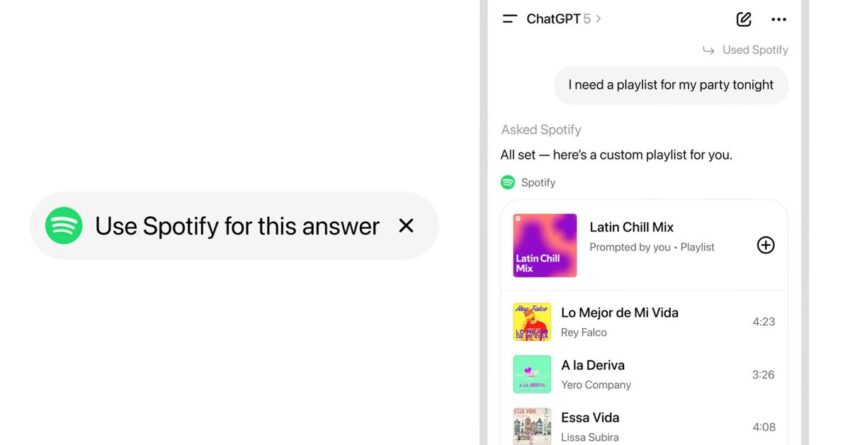
The integration allows users to leverage ChatGPT’s capabilities directly within the applications they use daily. For instance, users can now ask ChatGPT to create playlists on Spotify, design graphics in Canva, or collaborate on projects in Figma. This functionality is achieved through an API that connects ChatGPT with these applications, allowing for real-time interaction and task execution.
To use this feature, users simply need to initiate a conversation with ChatGPT within the respective app. For example, in Spotify, a user could say, “Create a playlist for my workout,” and ChatGPT would generate a playlist based on the user’s preferences. Similarly, in Canva, users can request specific design elements or templates, and ChatGPT will assist in creating visually appealing graphics.
Implications for Users
This integration has significant implications for users across various sectors. By enabling ChatGPT to interact with multiple applications, OpenAI is effectively streamlining workflows and enhancing productivity. Users can now accomplish tasks that previously required switching between different platforms, thus saving time and reducing friction in their daily activities.
Enhanced Productivity
One of the primary benefits of this integration is the potential for enhanced productivity. Users can now delegate tasks to ChatGPT, allowing them to focus on more strategic activities. For instance, marketers can use ChatGPT to generate social media content while they concentrate on campaign strategy. Designers can request specific design elements without having to manually search for them, thereby expediting the creative process.
Broader Accessibility
This feature also broadens accessibility for users who may not be familiar with the intricacies of these applications. By providing a conversational interface, ChatGPT lowers the barrier to entry for individuals who may find traditional software interfaces daunting. This democratization of technology aligns with OpenAI’s mission to make advanced AI accessible to a wider audience.
Stakeholder Reactions
The announcement has garnered attention from various stakeholders, including users, industry experts, and competitors. Many users have expressed excitement about the potential of this integration, highlighting how it could simplify their workflows and enhance their creative processes.
User Enthusiasm
Feedback from early users has been overwhelmingly positive. Many have reported that the ability to interact with ChatGPT within their favorite applications has made their tasks more manageable and enjoyable. Users appreciate the convenience of having an AI assistant that can understand their needs and execute tasks without the need for extensive training or learning curves.
Industry Experts
Industry experts have also weighed in on the significance of this development. Many see it as a pivotal moment in the evolution of AI and its integration into everyday tools. Experts believe that this could set a precedent for how AI can be utilized in various sectors, from creative industries to corporate environments. The seamless integration of AI into existing workflows could lead to a paradigm shift in how tasks are approached and executed.
Competitive Landscape
Competitors in the AI and software space are likely to take notice of OpenAI’s advancements. The ability to integrate AI into popular applications could prompt other companies to explore similar functionalities. This could lead to increased competition in the market, driving innovation and potentially resulting in better tools for users. Companies that do not adapt to these changes may find themselves at a disadvantage as users gravitate toward platforms that offer enhanced capabilities.
Technical Considerations
The technical implementation of this integration involves several key components. OpenAI has developed an API that allows ChatGPT to communicate with third-party applications. This API facilitates the exchange of data and commands, enabling ChatGPT to perform tasks within these applications effectively.
Data Privacy and Security
As with any integration involving AI and third-party applications, data privacy and security are paramount concerns. OpenAI has stated that it is committed to ensuring user data is handled responsibly. The integration is designed with privacy in mind, and users can expect robust security measures to protect their information. OpenAI’s approach to data handling will likely be scrutinized as users begin to adopt this new functionality.
Future Developments
Looking ahead, OpenAI plans to expand this integration further, potentially adding more applications and features. The company has indicated that it is actively seeking user feedback to refine and enhance the functionality of ChatGPT within these platforms. This iterative approach will allow OpenAI to adapt to user needs and stay ahead of industry trends.
Conclusion
The integration of ChatGPT with multiple applications, including Spotify, Canva, and Figma, represents a significant advancement in the capabilities of AI. By enabling real-time interaction with popular tools, OpenAI is enhancing user experience and productivity. The positive reactions from users and industry experts alike underscore the potential impact of this development on various sectors.
As OpenAI continues to refine and expand this functionality, it will be interesting to observe how users adapt to these changes and how competitors respond in the evolving landscape of AI and software integration. The future of work may very well be shaped by these advancements, as AI becomes an integral part of everyday tasks and creative processes.
Source: Original report
Was this helpful?
Last Modified: October 7, 2025 at 2:45 am
4 views