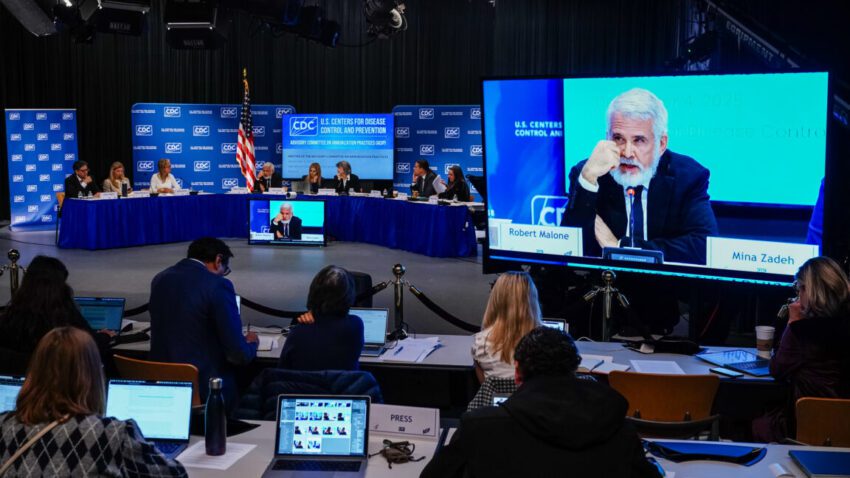
cdc vaccine panel realizes again it has The CDC vaccine advisory panel has once again postponed a crucial vote regarding hepatitis B vaccinations for newborns, revealing ongoing confusion and a lack of clarity within the group.
cdc vaccine panel realizes again it has
Background on the CDC Vaccine Advisory Panel
The Advisory Committee on Immunization Practices (ACIP) is a panel of experts that provides guidance on the use of vaccines in the United States. This committee plays a critical role in determining vaccination policies, including recommendations for childhood immunizations. The panel’s decisions can significantly impact public health, as they guide healthcare providers and influence vaccination rates across the country.
In recent years, the panel has faced scrutiny, particularly regarding its alignment with evidence-based practices. Critics argue that the committee has been influenced by political agendas, which may compromise its integrity and effectiveness. The current composition of the panel, notably influenced by Health Secretary Robert F. Kennedy Jr., has raised concerns about its commitment to scientific rigor and public health.
The Hepatitis B Vaccine Controversy
The hepatitis B vaccine is a critical immunization recommended for newborns to protect against a virus that can lead to chronic liver disease and liver cancer. The vaccine is typically administered shortly after birth, and its inclusion in the immunization schedule has been supported by extensive research demonstrating its safety and efficacy.
However, the recent discussions within the CDC panel have sparked debate about the necessity of this vaccine for newborns. Some members of the panel have expressed skepticism about the vaccine’s importance, citing concerns that align more closely with anti-vaccine rhetoric than with established scientific consensus. This skepticism has led to calls for a reevaluation of the vaccine’s recommendation, which has been met with significant backlash from public health experts.
Recent Developments in the Panel’s Deliberations
On the day of the recent vote, the panel was faced with a decision on whether to strip the recommendation for hepatitis B vaccinations for newborns. This vote was initially scheduled following a previous attempt in September, which was similarly delayed due to confusion and a lack of understanding among panel members. The decision to postpone the vote again was made during a chaotic meeting where the panel realized it did not fully grasp the implications of the recommendation it was considering.
Confusion and Disorganization
Prior to the vote, there was significant confusion surrounding the wording of the proposed recommendation. Panel members received three different versions of the recommendation in the 72 hours leading up to the meeting, which contributed to the disarray. One panelist noted that the lack of clarity made it difficult to engage in informed discussions about the vaccine.
The presentations during the meeting, which were intended to provide data and context for the panel’s decision, were delivered by individuals lacking expertise in the field. Many of the presenters were affiliated with anti-vaccine movements and presented information that was riddled with inaccuracies and misleading claims. This further complicated the panel’s ability to make an informed decision.
Reactions from Panel Members
The disorganized nature of the meeting prompted frustration among some panel members. Reports indicate that there were tense exchanges and moments of chaos as participants struggled to navigate the conflicting information presented. The atmosphere was described as farcical, with a clear departure from the evidence-based framework that typically guides vaccine policy discussions.
One panel member remarked on the inappropriateness of the meeting’s format and the reliance on unvetted presentations that included conspiracy theories and cherry-picked studies. This shift away from rigorous scientific discourse has raised alarms among public health advocates, who fear that the panel’s credibility may be compromised as a result.
Implications for Public Health
The decision to delay the vote on hepatitis B vaccinations for newborns has significant implications for public health. The hepatitis B virus poses a serious risk to infants, and the vaccine is a critical tool in preventing transmission. By questioning the necessity of this vaccine, the panel risks undermining years of public health efforts aimed at reducing the incidence of hepatitis B infections.
Moreover, the panel’s inability to reach a consensus on such a fundamental issue raises concerns about its overall effectiveness. If the advisory committee cannot provide clear guidance on vaccination recommendations, it may lead to confusion among healthcare providers and parents, potentially resulting in lower vaccination rates and increased susceptibility to preventable diseases.
Stakeholder Reactions
The reactions to the panel’s recent deliberations have been mixed, with strong responses from both public health advocates and anti-vaccine groups. Public health experts have expressed alarm at the panel’s apparent drift away from evidence-based decision-making. Many argue that the panel’s credibility is at stake, and that it must reaffirm its commitment to scientific integrity in order to maintain public trust.
On the other hand, anti-vaccine advocates have lauded the panel’s indecision as a victory for their cause. They argue that the questioning of established vaccination protocols reflects a growing skepticism of the pharmaceutical industry and government health agencies. This perspective, however, is often rooted in misinformation and lacks a foundation in scientific evidence.
The Path Forward
As the CDC vaccine advisory panel navigates this contentious issue, it faces a critical juncture. The need for clear, evidence-based recommendations has never been more pressing, particularly in light of the ongoing challenges posed by vaccine hesitancy. The panel must work to restore its credibility and ensure that its decisions are grounded in sound science rather than political influence.
Moving forward, it is essential for the panel to engage with experts in the field and to prioritize transparency in its deliberations. By fostering an environment of open dialogue and rigorous examination of the evidence, the panel can better serve the public and uphold its responsibility to protect public health.
Conclusion
The recent delay in the CDC vaccine panel’s vote on hepatitis B vaccinations for newborns underscores the challenges facing public health decision-making in an increasingly polarized environment. As the panel grapples with confusion and disorganization, the implications for vaccination policy and public health are significant. It is imperative that the panel recommits to evidence-based practices and prioritizes the health and safety of the population it serves.
Source: Original report
Was this helpful?
Last Modified: December 5, 2025 at 2:36 am
0 views