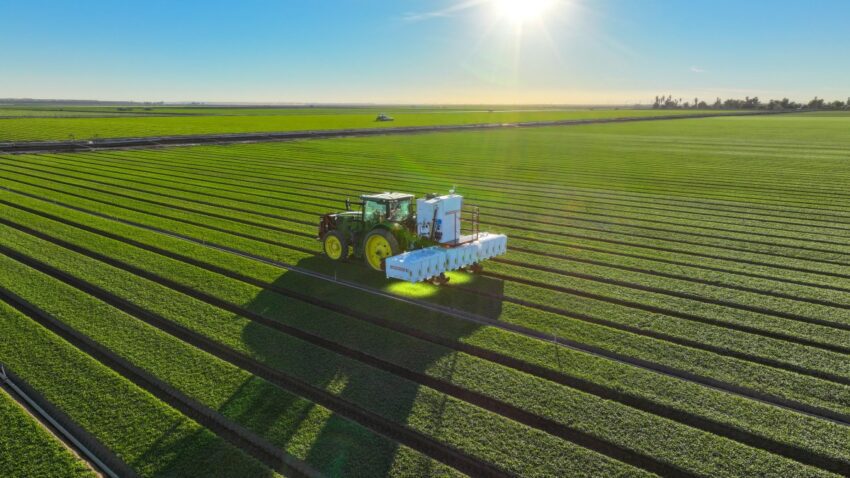
carbon robotics built an ai model that Carbon Robotics has developed an advanced AI model designed to detect and identify various plant species, offering a significant tool for farmers in their ongoing battle against weeds.
carbon robotics built an ai model that
Introduction to Carbon Robotics’ Innovation
Carbon Robotics, a company known for its innovative agricultural technologies, has unveiled its Large Plant Model, a cutting-edge AI system aimed at enhancing weed management for farmers. This model is particularly noteworthy as it enables the identification and targeting of new weed species without requiring the extensive retraining of existing machinery. As the agricultural sector increasingly turns to technology to improve efficiency and productivity, this development could represent a significant leap forward in precision farming.
The Need for Advanced Weed Management
Weeds are a persistent challenge in agriculture, competing with crops for nutrients, water, and sunlight. They can significantly reduce crop yields and increase production costs. Traditional methods of weed control, such as herbicides, have faced scrutiny due to environmental concerns and the development of herbicide-resistant weed species. As a result, farmers are seeking more sustainable and effective solutions to manage weeds without harming their crops or the environment.
Challenges in Current Weed Control Methods
Farmers have long relied on chemical herbicides to manage weeds, but this approach comes with several drawbacks:
- Environmental Impact: The use of herbicides can lead to soil degradation, water contamination, and harm to non-target species.
- Resistance Development: Over time, many weed species have developed resistance to commonly used herbicides, making them increasingly difficult to control.
- Labor Costs: Manual weeding is labor-intensive and costly, often requiring significant human resources that may not be readily available.
These challenges underscore the need for innovative solutions that can help farmers effectively manage weeds while minimizing negative impacts on the environment and their bottom line.
How the Large Plant Model Works
The Large Plant Model developed by Carbon Robotics leverages advanced machine learning algorithms and computer vision technology to detect and identify a wide range of plant species. This system is designed to work seamlessly with existing robotic platforms, allowing for easy integration into current agricultural practices.
Key Features of the AI Model
The Large Plant Model boasts several features that set it apart from traditional weed management methods:
- Real-Time Detection: The AI model can analyze images captured by cameras mounted on robotic systems in real-time, enabling immediate identification of weeds as they appear in the field.
- Wide Range of Identification: It can recognize various plant species, including both crops and weeds, allowing for precise targeting of unwanted plants.
- No Retraining Required: One of the most significant advantages of this model is its ability to adapt to new weed species without requiring extensive retraining of the AI system. This feature saves time and resources for farmers.
Implementation in Agricultural Practices
The implementation of the Large Plant Model can transform how farmers approach weed management. By utilizing robotic systems equipped with this AI technology, farmers can achieve:
- Increased Efficiency: Automated weed detection and removal can significantly reduce the time and labor required for manual weeding.
- Targeted Treatment: By accurately identifying weeds, farmers can apply targeted treatments, reducing the need for broad-spectrum herbicides and minimizing environmental impact.
- Cost Savings: With reduced labor costs and more efficient use of resources, farmers can potentially lower their overall production costs.
Implications for the Agricultural Sector
The introduction of Carbon Robotics’ Large Plant Model has far-reaching implications for the agricultural sector. As farmers increasingly adopt technology-driven solutions, the landscape of farming is likely to change significantly.
Environmental Benefits
One of the most pressing concerns in modern agriculture is the environmental impact of farming practices. The Large Plant Model offers several environmental benefits:
- Reduced Chemical Use: By enabling targeted weed management, the model can help decrease the reliance on chemical herbicides, leading to healthier soil and ecosystems.
- Conservation of Resources: More efficient weed management means that farmers can use water and nutrients more effectively, contributing to sustainable farming practices.
- Preservation of Biodiversity: By minimizing the use of harmful chemicals, the model supports the preservation of beneficial plant and animal species in agricultural landscapes.
Economic Impact
The economic implications of adopting advanced AI technologies in agriculture are significant. Farmers who implement the Large Plant Model may experience:
- Higher Yields: With more effective weed management, crop yields are likely to improve, directly impacting farmers’ profitability.
- Market Competitiveness: Farmers who adopt innovative technologies can position themselves as leaders in sustainable practices, appealing to environmentally conscious consumers.
- Job Creation: While automation may reduce the need for manual labor, it can also create new job opportunities in technology management, maintenance, and data analysis.
Stakeholder Reactions
The introduction of the Large Plant Model has garnered attention from various stakeholders within the agricultural community. Farmers, agricultural organizations, and environmental advocates have expressed a range of reactions:
Farmers’ Perspectives
Many farmers view the Large Plant Model as a promising solution to their ongoing weed management challenges. Early adopters have reported positive experiences with the technology, highlighting its ease of use and effectiveness. Farmers appreciate the potential for reduced labor costs and increased efficiency, allowing them to focus on other critical aspects of their operations.
Environmental Advocates
Environmental organizations have generally welcomed the development, emphasizing the importance of reducing chemical inputs in agriculture. They see the Large Plant Model as a step toward more sustainable farming practices that prioritize ecological health.
Industry Experts
Experts in agricultural technology have praised Carbon Robotics for its innovative approach. They believe that the Large Plant Model could set a new standard for precision agriculture, encouraging further advancements in AI and robotics within the sector.
Future Prospects
The successful implementation of the Large Plant Model could pave the way for future innovations in agricultural technology. As AI continues to evolve, we may see:
- Enhanced Capabilities: Future iterations of the model may incorporate additional features, such as predictive analytics to forecast weed growth patterns.
- Integration with Other Technologies: The model could be integrated with other precision agriculture tools, such as soil sensors and climate monitoring systems, to create a comprehensive farm management solution.
- Global Adoption: As awareness of sustainable farming practices grows, we may see widespread adoption of AI technologies in agriculture worldwide, particularly in regions facing severe weed challenges.
Conclusion
Carbon Robotics’ Large Plant Model represents a significant advancement in the fight against weeds in agriculture. By harnessing the power of AI, this innovative technology offers farmers a more efficient, sustainable, and effective way to manage weeds. As the agricultural sector continues to evolve, the implications of such advancements will likely resonate throughout the industry, shaping the future of farming for years to come.
Source: Original report
Was this helpful?
Last Modified: February 3, 2026 at 12:43 am
5 views