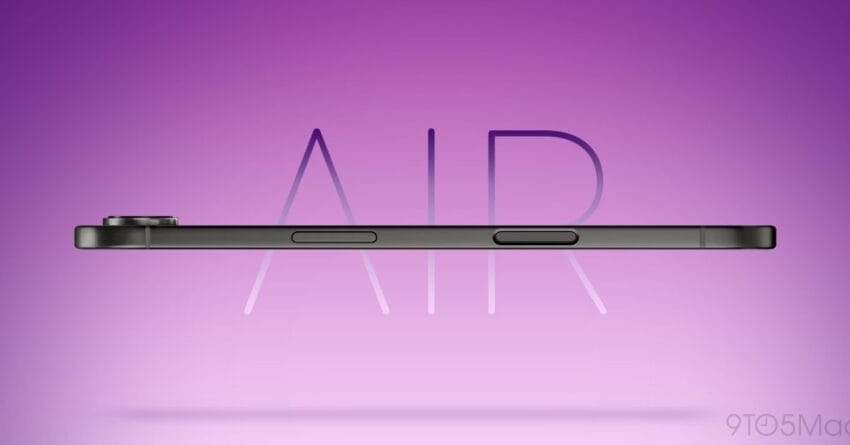
c1 modem planned for the iphone 17 Apple’s transition to its own mobile data modem technology has taken a significant step forward with the introduction of the C1 modem, which is set to feature in the upcoming iPhone 17 Air. However, recent findings indicate that this new modem may not perform as well as its Qualcomm counterparts on certain carriers.
c1 modem planned for the iphone 17
Background on Apple’s Modem Development
For years, Apple has been heavily invested in developing its own mobile data modems, aiming to reduce its reliance on Qualcomm, a company that has dominated the modem market for mobile devices. This strategic move is not merely about independence; it also represents a broader vision for enhancing the performance and capabilities of Apple’s devices. The C1 modem is the first product of this initiative, having debuted in the iPhone 16e earlier this year.
Apple’s decision to create its own modem technology stems from several factors, including the desire for better integration between hardware and software, improved performance, and cost savings. By designing its own modems, Apple can tailor the technology to meet the specific needs of its devices, potentially leading to enhanced battery life, faster data speeds, and improved connectivity.
The C1 Modem: Features and Expectations
The C1 modem is expected to bring several advancements to the iPhone 17 Air. Apple has touted features such as improved energy efficiency, enhanced signal reception, and support for the latest wireless standards. However, the performance of the C1 modem has been a topic of debate, especially in comparison to Qualcomm’s latest offerings.
Performance Comparison with Qualcomm Modems
A recent study by Ookla, a well-known internet speed testing company, has provided a detailed analysis of the C1 modem’s performance relative to Qualcomm’s chips. The study highlights that while the C1 modem performs admirably in certain scenarios, it falls short in others, particularly on specific carriers.
According to the study, the C1 modem demonstrates commendable performance when tested under optimal conditions. However, it has been reported to be slower than Qualcomm’s latest modems on some networks. This discrepancy raises questions about the modem’s reliability and overall effectiveness in real-world usage.
Carrier-Specific Performance Issues
One of the most concerning findings from the Ookla study is that the C1 modem’s performance varies significantly depending on the carrier. In some cases, users have reported slower data speeds and connectivity issues when using the C1 modem on specific networks. This inconsistency could lead to frustration among consumers who expect seamless performance from their devices.
The study indicates that while the C1 modem may excel on certain carriers, it struggles on others, particularly those with less robust infrastructure. This raises important questions about the modem’s adaptability and whether it can deliver a consistent user experience across different environments.
Implications for Apple and Its Users
The mixed performance of the C1 modem has several implications for Apple and its user base. For Apple, the ability to offer a competitive modem is crucial for maintaining its reputation as a leader in technology innovation. If the C1 modem cannot match the performance of Qualcomm’s offerings, it may hinder Apple’s ability to attract new customers and retain existing ones.
For consumers, the implications are equally significant. Users who rely on their devices for high-speed internet access may find themselves disappointed if the C1 modem does not meet their expectations. This could lead to a decline in customer satisfaction and potentially impact Apple’s sales figures.
Stakeholder Reactions
The mixed reviews surrounding the C1 modem have elicited a range of reactions from stakeholders in the technology industry. Analysts have expressed cautious optimism about Apple’s modem development efforts but have also highlighted the need for further improvements. Some industry experts believe that while the C1 modem may not be perfect, it represents a step in the right direction for Apple.
On the other hand, Qualcomm has remained relatively silent on the matter, focusing instead on promoting its own advancements in modem technology. The company has long been a dominant player in the market and is likely to continue to leverage its experience and expertise to maintain its competitive edge.
Future Prospects for Apple’s Modem Technology
Looking ahead, the future of Apple’s modem technology remains uncertain. While the C1 modem is a significant milestone, it is clear that Apple has much work to do to compete effectively with Qualcomm. The company will need to address the performance issues identified in the Ookla study and ensure that its modems can deliver a consistent experience across various carriers.
Apple’s ongoing investment in research and development will be crucial in this regard. The company has a history of innovation and has demonstrated its ability to overcome challenges in the past. If Apple can refine its modem technology and address the concerns raised by users and analysts, it may eventually establish itself as a formidable competitor in the modem market.
Potential for Future Models
As Apple continues to develop its modem technology, future models may incorporate lessons learned from the C1 modem. The company may focus on enhancing compatibility with a broader range of carriers, improving performance in challenging environments, and ensuring that its modems can keep pace with the rapid evolution of wireless technology.
Additionally, Apple may explore partnerships or collaborations with telecommunications companies to better understand the specific requirements of different networks. This could help the company tailor its modem technology to meet the diverse needs of its user base.
Conclusion
The introduction of the C1 modem in the iPhone 17 Air marks a significant step in Apple’s journey toward self-sufficiency in mobile data technology. However, the findings from the Ookla study highlight the challenges that lie ahead. While the C1 modem shows promise, its mixed performance on various carriers raises important questions about its reliability and effectiveness.
As Apple navigates this complex landscape, the company must prioritize addressing the performance issues associated with the C1 modem. By doing so, it can enhance user satisfaction and solidify its position as a leader in the technology industry. The road ahead may be challenging, but Apple’s commitment to innovation and improvement will be crucial in determining the success of its modem technology in the years to come.
Source: Original report
Was this helpful?
Last Modified: September 8, 2025 at 7:01 pm
4 views