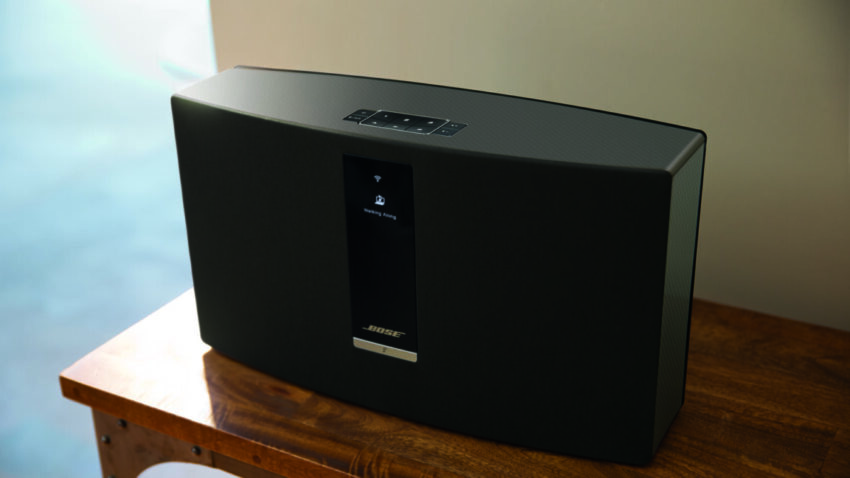
bose open-sources its soundtouch home theater smart Bose has taken a significant step by releasing the Application Programming Interface (API) documentation for its SoundTouch speakers, providing users with a potential lifeline as the devices approach their end-of-life (EoL) status.
bose open-sources its soundtouch home theater smart
Background on SoundTouch Speakers
Launched as a premium line of home audio products, Bose’s SoundTouch series has been a staple for audiophiles and casual listeners alike. The lineup includes Wi-Fi speakers and soundbars designed to offer high-quality audio streaming and multi-room capabilities. The SoundTouch system allowed users to connect to various music services, including Spotify, and enabled seamless integration with other SoundTouch devices, creating a cohesive home audio experience.
However, as technology evolves, companies often face the difficult decision of phasing out older products. In October 2025, Bose announced that its SoundTouch devices would reach their EoL on February 18, 2026. This announcement raised concerns among users about the future functionality of their devices and the implications of losing cloud connectivity and software updates.
Details of the EoL Announcement
According to Bose, after the EoL date, the SoundTouch speakers will no longer receive security and software updates. This means that users will lose access to essential features that have made the devices appealing, such as:
- Cloud connectivity, which allows for streaming music from various online services.
- Functionality through the companion app, which is critical for managing device settings and integrations.
- Multi-room audio capabilities, enabling users to synchronize audio playback across multiple SoundTouch devices.
- Access to saved presets, which allow for quick selection of favorite playlists or radio stations.
Post-EoL, the speakers will revert to basic functionality, operating solely through wired connections like AUX or HDMI, or via Bluetooth. However, Bluetooth has a higher latency compared to Wi-Fi, which can detract from the overall audio experience.
The Significance of Open-Sourcing the API
In a surprising turn of events, Bose has opted to release the API documentation for the SoundTouch speakers. This move allows developers and tech-savvy users to create custom applications or integrations that can extend the life of their devices beyond the official support period. By open-sourcing the API, Bose is providing a silver lining for users who may feel abandoned as their devices approach EoL.
Open-sourcing the API can lead to several potential benefits:
- Community Development: Developers can create new applications or features that enhance the functionality of SoundTouch devices, potentially keeping them relevant in a rapidly changing tech landscape.
- User Empowerment: Tech-savvy users can take control of their devices, customizing them to fit their specific needs and preferences.
- Longevity of Devices: By allowing third-party developers to build on the existing technology, Bose may inadvertently extend the life of the SoundTouch ecosystem, making it more appealing for users to hold onto their devices.
Stakeholder Reactions
The announcement of the API release has elicited a range of reactions from stakeholders, including users, developers, and industry analysts.
User Reactions
For many users, the news of the API release has been met with cautious optimism. While the impending EoL of their devices is disappointing, the ability to access the API offers a glimmer of hope. Users have expressed gratitude for Bose’s decision to provide the documentation, as it allows them to explore alternative uses for their SoundTouch speakers.
Some users have taken to online forums to discuss potential projects, including:
- Creating custom streaming applications that can connect to various music services.
- Developing home automation integrations that allow the SoundTouch speakers to work in tandem with other smart home devices.
- Building tools to manage multi-room audio setups without relying on the official app.
Developer Perspectives
Developers have also responded positively to the open-sourcing of the API. Many see it as an opportunity to innovate and create new applications that could breathe new life into the SoundTouch ecosystem. Some developers have already begun brainstorming potential projects, while others are eager to dive into the documentation to explore the possibilities.
Industry experts have noted that this move could set a precedent for other companies facing similar EoL situations. By open-sourcing technology, companies can foster a community of developers who can help maintain and enhance their products, even after official support has ended.
Implications for the Home Audio Market
The decision to open-source the API for SoundTouch speakers could have broader implications for the home audio market. As more consumers gravitate toward smart home devices, companies must consider how to support their products long-term.
Some potential implications include:
- Shift in Consumer Expectations: Consumers may begin to expect more transparency and support from manufacturers, especially as devices approach EoL. Open-sourcing APIs could become a standard practice in the industry.
- Increased Competition: As developers create new applications for SoundTouch devices, it may lead to increased competition among audio products, pushing companies to innovate and improve their offerings.
- Longer Product Lifecycles: By allowing third-party developers to contribute to the ecosystem, companies may find that their products remain relevant for longer periods, reducing electronic waste and benefiting the environment.
Conclusion
Bose’s decision to open-source the API for its SoundTouch speakers comes as a welcome development for users facing the impending EoL of their devices. While the loss of official support is undoubtedly disappointing, the opportunity for community-driven innovation could extend the life of these products in unexpected ways. As the home audio market continues to evolve, this move may serve as a blueprint for other companies grappling with similar challenges, ultimately benefiting consumers and developers alike.
Source: Original report
Was this helpful?
Last Modified: January 8, 2026 at 3:37 am
9 views