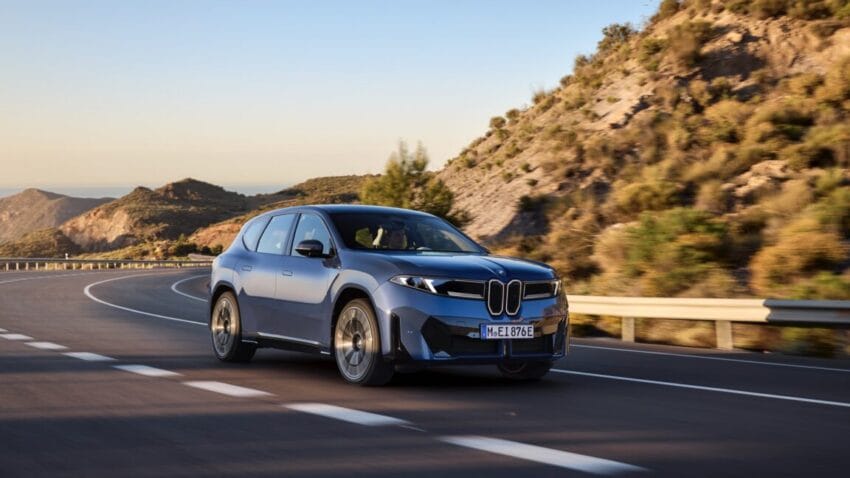
bmw debuts 6th-generation ev powertrain in the BMW has unveiled its all-electric iX3, marking a significant advancement in its electric vehicle lineup with the introduction of a sixth-generation powertrain.
bmw debuts 6th-generation ev powertrain in the
Introduction to the iX3
Set to launch in mid-2026, the BMW iX3 is poised to become the brand’s most environmentally friendly vehicle to date. This ambitious project is part of BMW’s broader strategy to enhance sustainability across its product range, reflecting a commitment to reducing the carbon footprint associated with vehicle production and operation. The iX3 is the first model from BMW’s Neue Klasse series, which aims to redefine the driving experience through innovative technology and design.
The Neue Klasse Initiative
BMW’s Neue Klasse initiative represents a pivotal shift in the company’s approach to electric vehicles. According to BMW Chairman Oliver Zipse, “The Neue Klasse is our biggest future-focused project and marks a huge leap forward in terms of technologies, driving experience, and design.” This initiative is not merely about creating electric vehicles; it is about integrating cutting-edge technology into the core of BMW’s identity. The iX3 serves as a testament to this vision, showcasing advancements that will influence the entire product lineup, regardless of the drive system employed.
Technological Innovations
The iX3’s sixth-generation powertrain is designed to deliver enhanced performance, efficiency, and sustainability. This powertrain is characterized by several key features:
- Improved Battery Technology: The iX3 will utilize advanced battery technology that promises greater energy density and faster charging times. This is crucial for enhancing the overall driving range and convenience for users.
- Regenerative Braking: The vehicle will incorporate sophisticated regenerative braking systems that capture energy during deceleration, further extending the driving range and improving energy efficiency.
- Smart Energy Management: The iX3 will feature intelligent energy management systems that optimize power distribution to various vehicle components, ensuring that energy is used efficiently.
Design Features
In addition to its technological advancements, the iX3 introduces a fresh design language for BMW’s SUV lineup. The vehicle will sport a new corporate face characterized by tall, narrow kidney grilles, a departure from the traditional short, wide grille seen on previous models. This design change is part of BMW’s effort to modernize its aesthetic while maintaining brand recognition.
Other design elements include:
- LED Lighting: The iX3 will replace chrome accents with LED lighting, providing a more contemporary look and improved visibility.
- Headlight Design: The vehicle will feature a reimagined version of BMW’s iconic four headlights, enhancing both style and functionality.
- Drag Coefficient: Despite its two-box shape, the iX3 achieves an impressive drag coefficient of just 0.24, contributing to its aerodynamic efficiency and overall performance.
Sustainability Efforts
BMW’s commitment to sustainability is evident in the iX3’s development process. The company has adopted an “obsessive approach” to sustainability, ensuring that every aspect of the vehicle’s design and production minimizes environmental impact. This includes:
- Material Selection: The iX3 will utilize sustainable materials in its construction, reducing reliance on non-renewable resources.
- Manufacturing Processes: BMW is implementing greener manufacturing processes that reduce waste and energy consumption during production.
- End-of-Life Considerations: The company is also focusing on the recyclability of its vehicles, ensuring that materials can be repurposed at the end of the vehicle’s life cycle.
Market Implications
The introduction of the iX3 is expected to have significant implications for the electric vehicle market. As more consumers prioritize sustainability in their purchasing decisions, the iX3’s low carbon footprint and innovative features may attract environmentally conscious buyers. Furthermore, the vehicle’s advanced technology could set new benchmarks for performance and efficiency in the electric SUV segment.
Competitive Landscape
BMW is entering a highly competitive market, with numerous automakers investing heavily in electric vehicle technology. Brands such as Tesla, Ford, and Volkswagen have already established a strong presence in the electric SUV market. The iX3 will need to differentiate itself through its unique features and brand heritage. BMW’s reputation for performance and luxury may give it an edge, but the company must also address consumer concerns regarding range, charging infrastructure, and overall value.
Stakeholder Reactions
Reactions from industry stakeholders have been largely positive. Analysts and automotive experts have praised BMW’s commitment to sustainability and innovation. Many see the iX3 as a crucial step in the brand’s transition towards a more sustainable future. However, some critics have raised concerns about the pace of BMW’s electric vehicle rollout compared to competitors. The company will need to ensure that it can meet consumer demand while maintaining high standards of quality and performance.
Conclusion
The BMW iX3 represents a significant milestone in the automaker’s journey towards electrification and sustainability. With its sixth-generation powertrain, innovative design, and commitment to reducing environmental impact, the iX3 is set to redefine what consumers can expect from electric SUVs. As the automotive landscape continues to evolve, BMW’s ability to adapt and innovate will be crucial in maintaining its position as a leader in the industry.
Source: Original report
Was this helpful?
Last Modified: September 8, 2025 at 6:31 pm
2 views