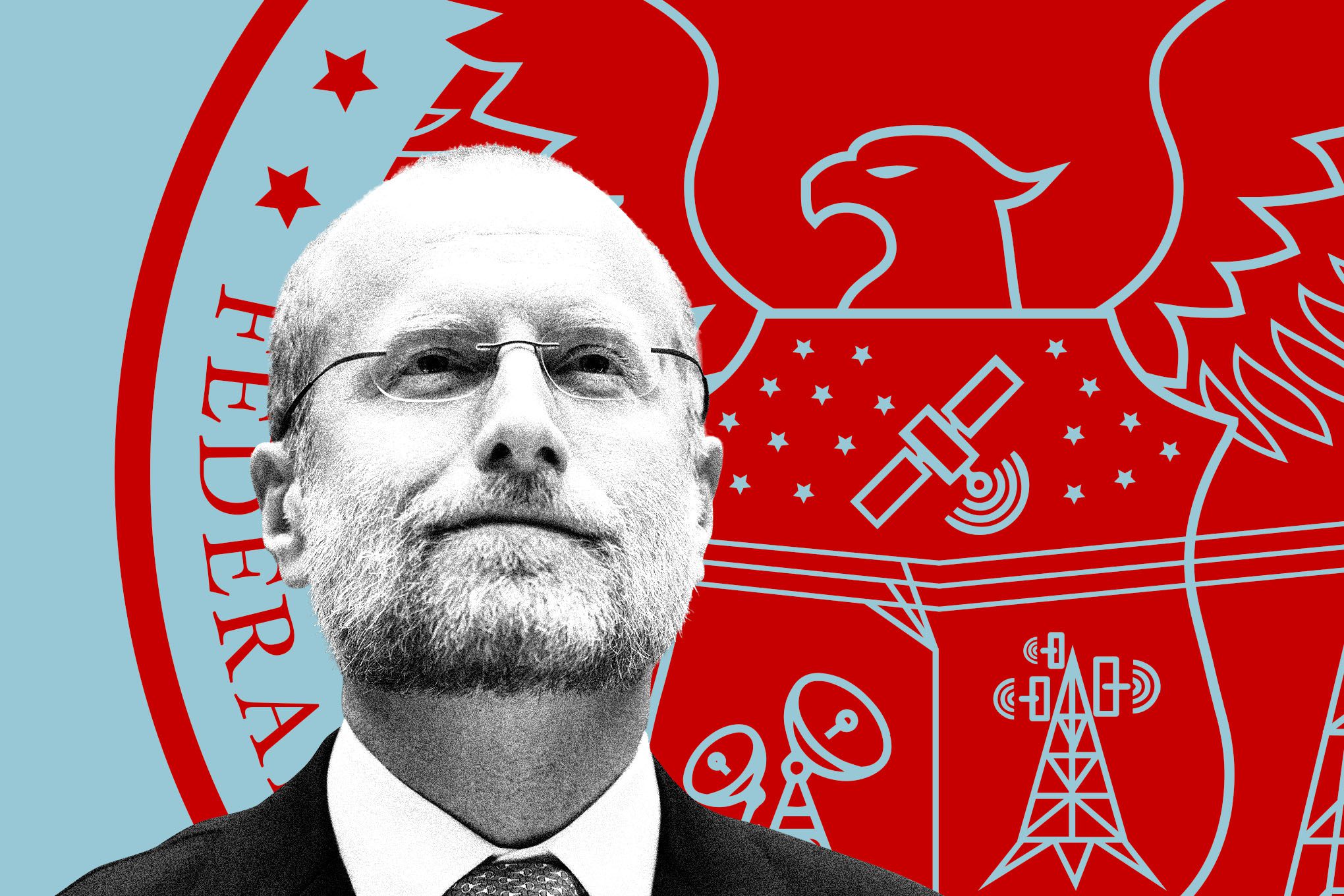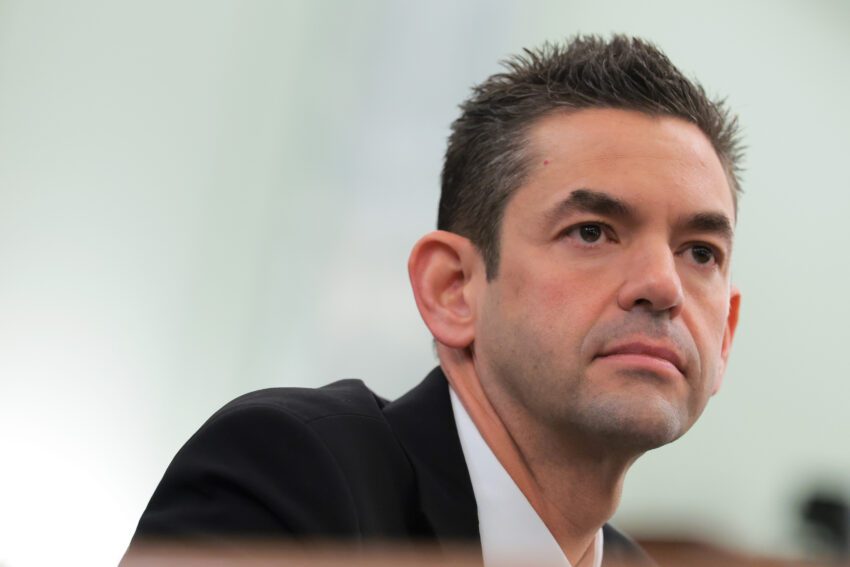
billionaire jared isaacman confirmed as new head The Senate has officially confirmed Jared Isaacman as the new head of NASA, marking a significant shift in the agency’s leadership.
billionaire jared isaacman confirmed as new head
Background on Jared Isaacman
Jared Isaacman is best known as the founder and CEO of Shift4 Payments, a prominent payment processing platform that has grown significantly under his leadership. Born on February 11, 1983, in New Jersey, Isaacman has always been an entrepreneur at heart. He founded Shift4 in 1999, and the company has since evolved into a major player in the fintech industry, providing services to a wide range of businesses across the United States.
Isaacman’s entrepreneurial spirit extends beyond the realm of finance. He has also made headlines for his ventures into space travel. He is a private astronaut who has flown to space twice with SpaceX, the aerospace company founded by Elon Musk. His first mission was the Inspiration4 flight in September 2021, which was notable for being the first all-civilian spaceflight. This mission not only raised significant funds for St. Jude Children’s Research Hospital but also captured the public’s imagination about the possibilities of commercial space travel.
The Nomination Process
Isaacman’s journey to becoming the head of NASA has been anything but straightforward. Initially nominated by President Donald Trump in December 2024, his appointment faced a series of ups and downs. In May 2025, Trump withdrew Isaacman’s nomination, citing concerns about potential conflicts of interest due to Isaacman’s close ties with Elon Musk, a key figure in the space industry.
In a post on Truth Social, Trump expressed his reservations, stating, “I thought it would be inappropriate that a very close friend of Elon, who was in the Space Business, run NASA.” This statement highlighted the complexities of navigating personal relationships in high-stakes political appointments, particularly in an industry as intertwined with private enterprise as space exploration.
Despite the withdrawal, Isaacman remained a prominent figure in discussions surrounding NASA’s future. His experience as a private astronaut and his leadership in the tech sector positioned him uniquely to address the challenges facing NASA as it seeks to expand its capabilities and partnerships in the commercial space sector.
Senate Confirmation
On Wednesday, the Senate confirmed Isaacman’s appointment, signaling a renewed confidence in his ability to lead NASA. The confirmation vote was largely bipartisan, reflecting a growing consensus on the need for innovative leadership in the agency. Senators from both parties acknowledged Isaacman’s unique qualifications and his vision for the future of space exploration.
During the confirmation hearings, Isaacman emphasized his commitment to fostering collaboration between NASA and private companies. He articulated a vision for an agency that not only leads in scientific research and exploration but also partners with commercial entities to drive innovation and reduce costs. This approach aligns with the current administration’s goals of enhancing public-private partnerships in space exploration.
Implications for NASA
Isaacman’s appointment comes at a crucial time for NASA. The agency is navigating a rapidly changing landscape in the space industry, characterized by the rise of private companies and increasing international competition. With the Artemis program aiming to return humans to the Moon by 2024 and plans for future Mars missions, strong leadership is essential.
One of Isaacman’s primary challenges will be to ensure that NASA remains at the forefront of space exploration while effectively integrating the capabilities of private companies. His experience with SpaceX gives him a unique perspective on the benefits and challenges of commercial partnerships. Isaacman has previously stated that he believes the future of space exploration lies in collaboration between government agencies and private enterprises.
Potential Challenges
While Isaacman brings a wealth of experience to the table, he will also face significant challenges as he takes the helm at NASA. One of the most pressing issues is the agency’s budget. NASA has historically faced budget constraints that limit its ability to pursue ambitious projects. Isaacman will need to advocate for increased funding while also demonstrating the value of NASA’s initiatives to Congress and the public.
Another challenge will be addressing the workforce dynamics within NASA. As the agency shifts towards a more collaborative model with private companies, there may be concerns among NASA employees about job security and the future of traditional roles within the agency. Isaacman will need to navigate these concerns carefully to maintain morale and ensure a smooth transition.
Stakeholder Reactions
The reaction to Isaacman’s confirmation has been mixed among various stakeholders in the space industry. Supporters have praised his entrepreneurial spirit and innovative mindset, viewing him as a catalyst for change within NASA. They believe that his experience in the private sector will enable him to forge strong partnerships that can accelerate the agency’s goals.
On the other hand, some critics have expressed concerns about the potential for conflicts of interest, particularly given Isaacman’s close ties to Elon Musk and SpaceX. They worry that this relationship could influence NASA’s decision-making processes and prioritize commercial interests over scientific objectives. Addressing these concerns will be crucial for Isaacman as he establishes his leadership style and priorities.
Future Vision for NASA
Isaacman’s vision for NASA is rooted in the belief that space exploration should be accessible to all. He has articulated a desire to inspire the next generation of scientists, engineers, and explorers. By promoting educational initiatives and outreach programs, he aims to engage young people in STEM fields and encourage them to pursue careers in space exploration.
Additionally, Isaacman has expressed a commitment to sustainability in space. As the industry grows, the environmental impact of space missions becomes an increasingly important consideration. He has indicated that he will prioritize efforts to minimize the ecological footprint of NASA’s activities, aligning with broader global sustainability goals.
Conclusion
Jared Isaacman’s confirmation as the head of NASA represents a pivotal moment for the agency as it navigates the complexities of modern space exploration. With his unique background in both technology and private space travel, Isaacman is poised to lead NASA into a new era of innovation and collaboration. His ability to balance the interests of various stakeholders while advocating for the agency’s mission will be critical as NASA seeks to maintain its leadership in the global space arena.
As Isaacman embarks on this new role, the space community will be closely watching his actions and decisions. The future of NASA, and indeed the future of space exploration, may very well hinge on his ability to inspire collaboration, drive innovation, and engage the public in the wonders of space.
Source: Original report
Was this helpful?
Last Modified: December 18, 2025 at 9:50 am
1 views