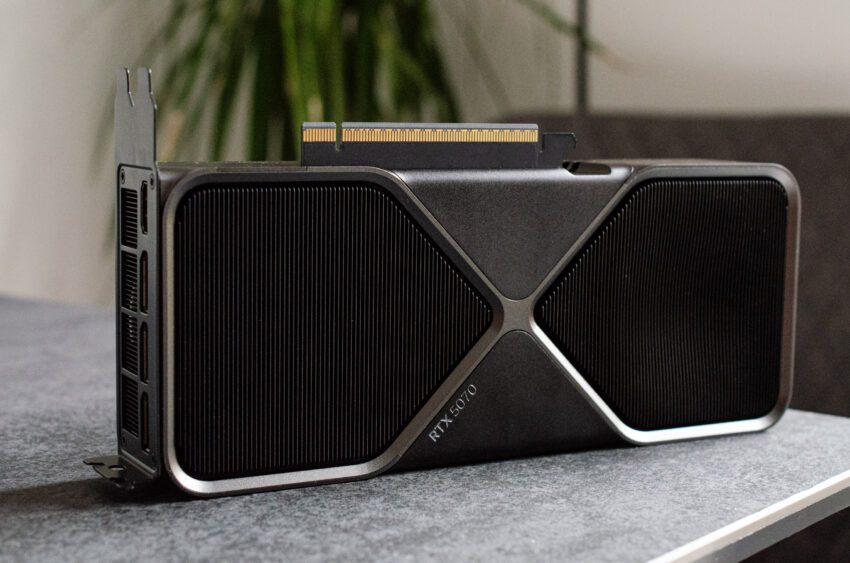
asus says it s dropping the rtx Asus has officially announced the discontinuation of its RTX 5070 Ti graphics card due to ongoing supply shortages affecting memory components.
asus says it s dropping the rtx
Background on the RTX 5070 Ti and RTX 5060 Ti
The RTX 5070 Ti and RTX 5060 Ti are part of Nvidia’s GeForce RTX 40 series, which has been designed to cater to gamers and professionals seeking high-performance graphics solutions. These GPUs leverage Nvidia’s advanced architecture to deliver superior performance in gaming, rendering, and other graphics-intensive tasks.
The RTX 5070 Ti, in particular, was anticipated to be a mid-range powerhouse, offering gamers a balance of performance and affordability. With features like real-time ray tracing and AI-enhanced graphics, it was positioned as a strong contender in the competitive GPU market. The RTX 5060 Ti, on the other hand, was aimed at budget-conscious gamers looking for a capable graphics card without breaking the bank.
Supply Chain Challenges
On Thursday, Hardware Unboxed reported that Asus is winding down production of its RTX 5070 Ti, citing significant supply chain challenges. According to the report, Asus “explicitly told us this model is currently facing a supply shortage and, as such, they have placed the model into end-of-life status.” This statement underscores the ongoing difficulties in the semiconductor industry, which have been exacerbated by various global factors, including the COVID-19 pandemic, geopolitical tensions, and increased demand for electronic devices.
The same supply issues have also affected the 16GB RTX 5060 Ti, leading Asus to announce that this model is also being phased out. Retailers in Australia have reported difficulties in sourcing these products, indicating a broader issue that may impact availability in other regions as well.
The Impact of Memory Shortages
Memory shortages have been a persistent issue in the tech industry, affecting not only graphics cards but also a wide range of electronic devices. The demand for high-performance memory has surged due to the rise of gaming, artificial intelligence, and data centers. As more devices require advanced memory solutions, the supply has struggled to keep pace.
Asus’s decision to discontinue the RTX 5070 Ti and RTX 5060 Ti highlights the direct impact of these shortages on product availability. The company’s move to end-of-life status for these models suggests that they do not foresee a resolution to the supply chain issues in the near future. This could lead to increased prices for existing inventory and a potential gap in the market for mid-range GPUs.
Nvidia’s Position
In response to the reports of Asus’s production changes, Nvidia’s director of global public relations for GeForce, Ben Berraondo, confirmed that the company is still producing these GPUs. In a statement to The Verge, he said, “Demand for GeForce RTX GPUs is strong, and memory supply is constrained. We continue to ship all GeForce SKUs as we can.” This statement indicates that while Nvidia is committed to fulfilling orders, the ongoing memory supply constraints are affecting their ability to meet demand fully.
Nvidia’s commitment to producing these models may suggest that the company is exploring alternative solutions to address the supply chain issues. However, the reality remains that the current landscape is challenging, and consumers may face difficulties in obtaining these GPUs for the foreseeable future.
Market Reactions
The announcement from Asus has elicited a range of reactions from stakeholders in the tech community. Gamers and tech enthusiasts have expressed disappointment over the discontinuation of the RTX 5070 Ti and RTX 5060 Ti, as these models were expected to provide competitive performance at accessible price points. The news may lead to increased demand for existing models, potentially driving up prices in the second-hand market.
Retailers are also likely to feel the impact of this decision. With Asus winding down production, they may face challenges in maintaining inventory levels for these GPUs. This could lead to stock shortages and increased prices, further complicating the purchasing process for consumers.
Future Implications for the GPU Market
The discontinuation of the RTX 5070 Ti and RTX 5060 Ti raises questions about the future of the mid-range GPU market. With Asus stepping back from these models, other manufacturers may need to fill the void. Companies like MSI, Gigabyte, and EVGA may see an opportunity to capture market share by introducing new models or enhancing existing offerings.
Moreover, the ongoing memory shortages could lead to a shift in consumer preferences. Gamers may begin to prioritize availability over specifications, opting for whatever models are accessible rather than waiting for specific GPUs to return to stock. This could result in a more fragmented market, with consumers gravitating toward brands that can deliver products despite supply chain challenges.
Long-Term Effects on Pricing
The discontinuation of popular models like the RTX 5070 Ti and RTX 5060 Ti is likely to have long-term effects on pricing within the GPU market. As demand continues to outstrip supply, prices for existing models may rise significantly. This trend could push consumers toward lower-tier models or even encourage some to delay upgrades altogether.
Additionally, the situation may prompt Nvidia and other manufacturers to reevaluate their production strategies. As they navigate the complexities of supply chain management, companies may explore alternative sourcing options or invest in new manufacturing technologies to mitigate the impact of shortages.
Conclusion
Asus’s decision to discontinue the RTX 5070 Ti and RTX 5060 Ti due to memory shortages highlights the ongoing challenges facing the tech industry. While Nvidia remains committed to producing these GPUs, the supply constraints are likely to continue affecting availability and pricing in the market. As stakeholders react to these developments, the future of the mid-range GPU market remains uncertain, with potential implications for consumers, retailers, and manufacturers alike.
Source: Original report
Was this helpful?
Last Modified: January 16, 2026 at 7:45 am
5 views