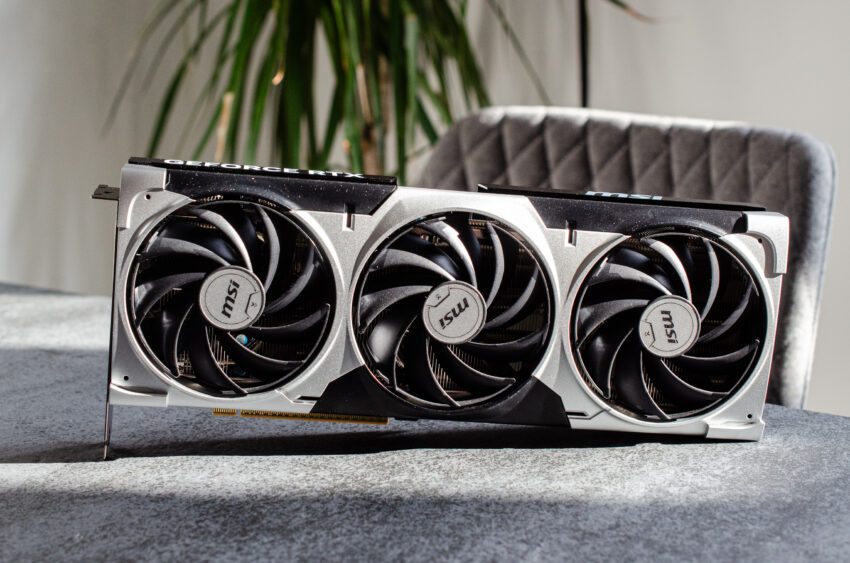
asus now claims it s not dropping Asus has recently clarified its position regarding the production of the RTX 5070 Ti, asserting that it will not discontinue the graphics card despite earlier statements suggesting otherwise.
asus now claims it s not dropping
The Initial Announcement and Its Fallout
Earlier this week, Asus made headlines when it informed Hardware Unboxed, a popular tech-focused YouTube channel, that it was winding down production of the RTX 5070 Ti. This announcement raised eyebrows in the tech community, particularly among gamers and PC builders who have been eagerly awaiting the availability of new graphics cards. The RTX 5070 Ti, part of Nvidia’s GeForce lineup, has been a topic of interest due to its anticipated performance and features.
However, the situation took a swift turn when Asus issued a statement retracting its earlier claims. The company attributed the confusion to “incomplete information” provided by its own PR representatives. This miscommunication has led to a flurry of speculation and concern among consumers and industry analysts alike.
Asus’s Clarification
In its follow-up statement, Asus emphasized, “The GeForce RTX 5070 Ti and GeForce RTX 5060 Ti 16 GB have not been discontinued or designated as end-of-life (EOL).” The company further reassured its customers by stating, “Asus has no plans to stop selling these models.” This clarification aims to quell the fears that arose from the initial announcement and restore confidence in the availability of these graphics cards.
The Context of Memory Shortages
The GPU market has been experiencing significant challenges, primarily due to ongoing memory shortages that have affected production capabilities across the industry. These shortages have been exacerbated by various factors, including supply chain disruptions, increased demand for gaming and professional graphics, and geopolitical tensions that have impacted semiconductor manufacturing.
Memory shortages have led to inflated prices and limited availability of graphics cards, making it increasingly difficult for consumers to find the models they want. The RTX 5070 Ti, like many other GPUs, has not been immune to these issues. Asus’s initial comments about winding down production could have been a reflection of the company’s struggles to secure sufficient components to meet demand.
Industry Reactions
The initial announcement from Asus sparked a wave of reactions from various stakeholders in the tech community. Gamers expressed frustration over the potential discontinuation of a card that many had been looking forward to. The RTX 5070 Ti was anticipated to offer a balance of performance and affordability, making it an attractive option for mid-range builds.
Industry analysts also weighed in, noting that the confusion surrounding Asus’s statements highlights the challenges that manufacturers face in communicating with consumers amid a volatile market. The rapid pace of change in the GPU landscape, combined with supply chain issues, has made it difficult for companies to provide clear and consistent information.
Implications for Asus and the GPU Market
Asus’s retraction of its earlier statement carries several implications for both the company and the broader GPU market. For Asus, the need to clarify its position underscores the importance of effective communication in maintaining consumer trust. Missteps in public relations can lead to significant backlash, particularly in a market as competitive as the GPU sector.
Moreover, the ongoing memory shortages pose a significant challenge not only for Asus but for all GPU manufacturers. As companies strive to meet consumer demand, they must navigate the complexities of sourcing components and managing production schedules. This situation may lead to further delays in product launches and could impact the overall availability of graphics cards in the coming months.
Future Prospects for the RTX 5070 Ti
Looking ahead, the RTX 5070 Ti remains a focal point for many consumers. With Asus’s commitment to continuing production, there is hope that the card will eventually become more widely available. However, the ongoing memory shortages may still pose challenges. As the industry adapts to these conditions, consumers will need to remain patient and vigilant in their search for new graphics cards.
Additionally, the RTX 5070 Ti’s performance metrics and pricing will play a crucial role in its success. As competitors release new models, Asus will need to ensure that the 5070 Ti offers compelling features and value to attract buyers. The card’s performance in real-world gaming scenarios will be closely scrutinized, and any discrepancies between expectations and reality could impact sales.
The Broader GPU Landscape
The GPU market is currently characterized by rapid innovation and intense competition. Companies like Nvidia, AMD, and Intel are continually pushing the envelope in terms of performance, efficiency, and features. The introduction of new architectures and technologies has made it an exciting time for consumers, but it has also created a challenging environment for manufacturers.
As the demand for high-performance graphics cards continues to rise, particularly with the increasing popularity of gaming and content creation, companies must be agile in their strategies. The ability to adapt to changing market conditions, such as supply chain disruptions and consumer preferences, will be critical for success.
Consumer Considerations
For consumers, the current state of the GPU market requires careful consideration when making purchasing decisions. With the potential for ongoing shortages and fluctuating prices, buyers should remain informed about the latest developments. Researching product availability, comparing performance metrics, and understanding the implications of memory shortages can help consumers make more informed choices.
Additionally, consumers may want to explore alternative options, such as considering previous-generation graphics cards or waiting for new models to be released. The landscape is continually evolving, and patience may yield better opportunities for securing a desired GPU at a reasonable price.
Conclusion
Asus’s recent clarification regarding the RTX 5070 Ti serves as a reminder of the complexities and challenges facing the GPU market today. While the company has committed to continuing production, the ongoing memory shortages and supply chain issues will likely continue to impact availability and pricing. For consumers, staying informed and adaptable will be essential in navigating this dynamic landscape.
As the situation unfolds, it will be interesting to see how Asus and other manufacturers respond to the challenges ahead. The RTX 5070 Ti remains a promising option for gamers and PC builders, but its success will depend on the ability to overcome the obstacles currently facing the industry.
Source: Original report
Was this helpful?
Last Modified: January 16, 2026 at 8:42 pm
0 views