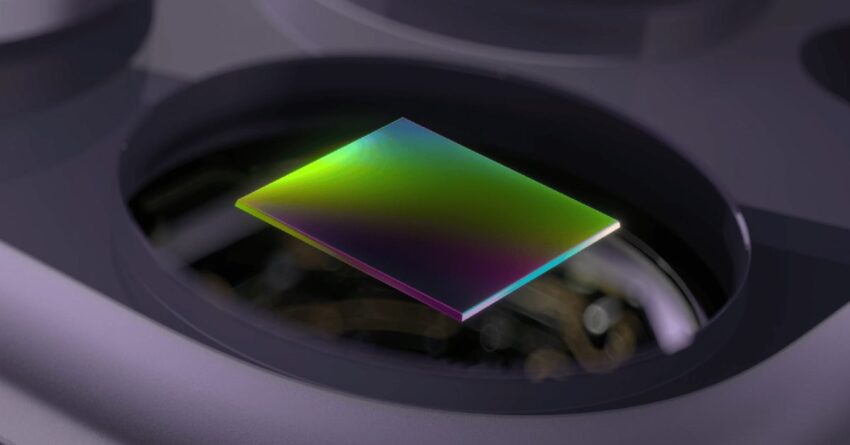
apple study shows how an ai-powered isp Apple researchers have developed an AI model that dramatically improves extremely dark photos by integrating a diffusion-based image model directly into the camera’s image processing pipeline, allowing it to recover detail from raw sensor data that would normally be lost.
apple study shows how an ai-powered isp
Introduction to AI in Photography
In recent years, advancements in artificial intelligence (AI) have significantly transformed various sectors, including photography. With the proliferation of smartphones equipped with sophisticated cameras, the demand for enhanced image quality has surged. Apple, a leader in the smartphone market, has consistently pushed the boundaries of camera technology, particularly in low-light conditions. The latest development from Apple’s research team focuses on an innovative approach to improving low-light photography through AI integration.
The Challenge of Low-Light Photography
Low-light photography presents unique challenges that can hinder the quality of images captured in dimly lit environments. Common issues include noise, lack of detail, and poor color representation. Traditional camera sensors often struggle to capture sufficient light, leading to grainy images that lack clarity. As a result, many users find it difficult to take satisfactory photos in settings such as concerts, restaurants, or nighttime events.
To address these challenges, manufacturers have implemented various techniques, such as longer exposure times and increased ISO sensitivity. However, these methods often come with trade-offs, including motion blur and heightened noise levels. Apple’s new AI-powered image signal processor (ISP) aims to overcome these limitations by leveraging advanced algorithms to enhance image quality in low-light scenarios.
Understanding the AI Model
The core of Apple’s innovation lies in its diffusion-based image model, which is integrated directly into the camera’s image processing pipeline. This model utilizes a sophisticated algorithm that can analyze and reconstruct images from raw sensor data, effectively recovering details that are typically lost in low-light conditions.
Diffusion-Based Image Models Explained
Diffusion models are a class of generative models that have gained traction in recent years due to their ability to produce high-quality images. These models work by gradually transforming random noise into coherent images through a series of iterative steps. The process involves learning the underlying distribution of the training data, allowing the model to generate new images that resemble the original dataset.
In the context of low-light photography, the diffusion model can be particularly effective. By analyzing the noise patterns and characteristics of low-light images, the model can intelligently reconstruct lost details, resulting in clearer and more vibrant photos. This capability is especially beneficial for iPhone users who frequently capture images in challenging lighting conditions.
Integration into the Camera Pipeline
Integrating the diffusion-based model into the camera’s image processing pipeline is a crucial step in enhancing low-light photography. This integration allows the AI model to operate in real-time, processing images as they are captured. The result is a seamless user experience where the enhancements occur without any noticeable delay.
Apple’s approach involves a multi-step process:
- Data Acquisition: The camera captures raw sensor data, which includes information about light intensity and color.
- Noise Analysis: The AI model analyzes the noise present in the image, identifying patterns that can be corrected.
- Detail Recovery: Using the diffusion model, the system reconstructs lost details, enhancing the overall quality of the image.
- Final Processing: The enhanced image is then processed and saved, ready for the user to view and share.
Implications for Users
The introduction of an AI-powered ISP has significant implications for iPhone users. As smartphone photography becomes increasingly popular, the ability to capture high-quality images in low-light conditions can enhance user experience and satisfaction. Here are some key benefits:
Improved Image Quality
With the integration of the diffusion-based model, users can expect a marked improvement in the quality of their low-light photos. The ability to recover lost details means that images will be clearer, with better color representation and reduced noise. This enhancement allows users to capture memories in a variety of settings without worrying about poor image quality.
Enhanced User Experience
The real-time processing capabilities of the AI model ensure that users can enjoy a smooth and efficient photography experience. There is no need for lengthy post-processing or manual adjustments, as the enhancements occur automatically as images are captured. This convenience is particularly appealing to casual photographers who may not have the technical expertise to edit photos manually.
Broader Creative Possibilities
As low-light photography becomes more accessible, users can explore new creative possibilities. Whether capturing the ambiance of a dimly lit restaurant or the vibrant colors of a nighttime cityscape, the improved capabilities of the iPhone camera empower users to experiment with different settings and styles. This newfound freedom can inspire users to push the boundaries of their photography skills.
Stakeholder Reactions
The announcement of Apple’s AI-powered ISP has garnered attention from various stakeholders, including industry experts, photographers, and consumers. Many have expressed enthusiasm about the potential of this technology to revolutionize smartphone photography.
Industry Experts
Photography experts have praised Apple’s commitment to enhancing low-light capabilities. Many believe that this innovation could set a new standard for smartphone cameras, prompting other manufacturers to invest in similar technologies. The competitive landscape of smartphone photography is likely to evolve as brands seek to match or exceed Apple’s advancements.
Photographers
Professional photographers have also reacted positively, recognizing the potential for improved image quality in their work. Many photographers rely on smartphones for quick captures, and the ability to take high-quality low-light photos can enhance their portfolios. Some have even expressed interest in incorporating the technology into their workflows, particularly for events and candid shots.
Consumers
For everyday consumers, the excitement surrounding the new AI capabilities is palpable. Users have long sought better low-light performance in their smartphones, and Apple’s innovation addresses this demand. Social media platforms are likely to see an influx of high-quality low-light images, as users share their experiences with the new technology.
Future Prospects
As Apple continues to refine its AI-powered ISP, the future of low-light photography looks promising. The integration of advanced AI technologies into smartphone cameras is likely to pave the way for further innovations in the field. Potential developments could include:
- Real-Time Video Enhancements: Extending the capabilities of the AI model to video recording could provide users with improved low-light video quality, making it easier to capture memorable moments in dimly lit environments.
- Customizable Settings: Future iterations may allow users to customize the AI enhancements based on their preferences, giving them more control over the final output.
- Integration with Other AI Features: Combining the low-light capabilities with other AI-driven features, such as portrait mode and scene detection, could further enhance the overall photography experience.
Conclusion
Apple’s development of an AI-powered ISP marks a significant milestone in the evolution of smartphone photography. By integrating a diffusion-based image model into the camera’s processing pipeline, Apple has addressed one of the most persistent challenges in photography—capturing high-quality images in low-light conditions. The implications for users are profound, offering improved image quality, a seamless user experience, and new creative possibilities. As the technology continues to evolve, it will undoubtedly shape the future of smartphone photography and set new standards for the industry.
Source: Original report
Was this helpful?
Last Modified: December 20, 2025 at 1:46 pm
2 views