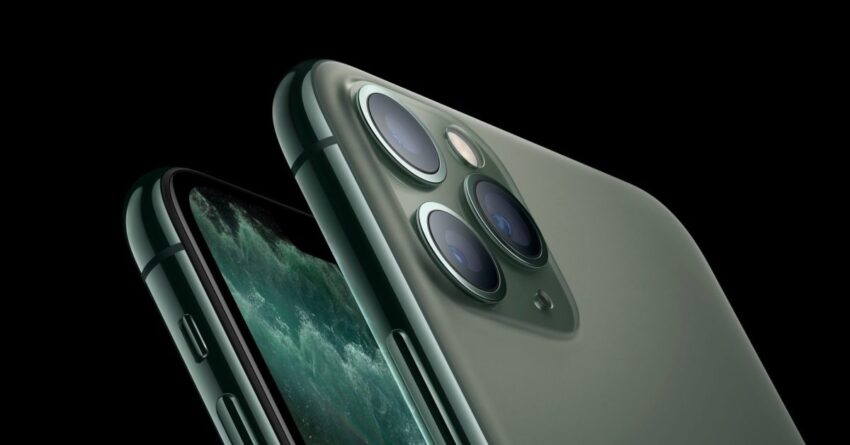
apple says iphone 11 pro is vintage Apple has officially classified the iPhone 11 Pro as a ‘vintage’ product, marking a significant milestone in the device’s lifecycle and raising questions about its implications for users and the broader Apple ecosystem.
apple says iphone 11 pro is vintage
Understanding Apple’s Vintage and Obsolete Classification
Apple maintains a specific categorization system for its products, distinguishing between ‘vintage’ and ‘obsolete’ items. This classification is crucial for consumers, as it directly impacts the availability of service and support for these devices.
What Does ‘Vintage’ Mean?
A product is labeled as ‘vintage’ by Apple when it has been out of production for at least five years but less than seven years. This classification indicates that while the device is no longer manufactured, Apple may still offer some level of service and support. However, the availability of parts can be limited, and repairs may become increasingly challenging over time.
What About ‘Obsolete’ Products?
In contrast, a product is considered ‘obsolete’ when it has been out of production for more than seven years. Once a device reaches this status, Apple typically ceases all support, including repairs and service. This distinction is essential for users who rely on older devices, as it signals the end of official assistance from the company.
Recent Additions to the Vintage List
Alongside the iPhone 11 Pro, Apple has also added the Apple Watch Series 5 and several other products to its vintage list. This move reflects the natural progression of technology, as newer models are continually introduced, rendering older devices less relevant in the fast-paced tech landscape.
iPhone 11 Pro: A Brief Overview
Launched in September 2019, the iPhone 11 Pro was a significant advancement in Apple’s smartphone lineup. It featured a triple-camera system, improved battery life, and the A13 Bionic chip, which contributed to its strong performance and efficiency. The device was well-received by consumers and critics alike, praised for its camera capabilities and overall user experience.
Apple Watch Series 5: Key Features
The Apple Watch Series 5, released in September 2019, introduced several notable features, including an always-on display and new health tracking capabilities. This model represented a leap forward in wearable technology, catering to fitness enthusiasts and everyday users alike. Its addition to the vintage list further emphasizes the rapid evolution of wearable devices.
Implications for Users
The classification of the iPhone 11 Pro and Apple Watch Series 5 as vintage carries several implications for current users. Understanding these effects is crucial for anyone still relying on these devices.
Service and Repair Limitations
With the vintage designation, users can expect limited service options. While Apple may still provide some repairs, the availability of parts could become scarce. This situation may lead to longer wait times for repairs or, in some cases, the inability to fix certain issues altogether.
Software Updates and Support
Another critical factor to consider is software support. Vintage devices may not receive the latest iOS updates, which can impact security and functionality. Users of the iPhone 11 Pro may find themselves unable to access new features or security patches, potentially exposing them to vulnerabilities.
Resale Value Considerations
The vintage classification can also affect the resale value of the iPhone 11 Pro and Apple Watch Series 5. As these devices age and become less supported, their market value may decline. Users looking to sell or trade in their devices should be aware of this trend, as it may impact their financial returns.
Stakeholder Reactions
The announcement of the iPhone 11 Pro’s vintage status has elicited various reactions from stakeholders, including consumers, tech analysts, and repair advocates.
Consumer Sentiment
Many consumers who own the iPhone 11 Pro have expressed mixed feelings about the vintage classification. While some users appreciate the device’s longevity and performance, others are concerned about the potential lack of support and updates. The sentiment among users often reflects a broader anxiety about planned obsolescence in technology.
Tech Analysts’ Perspectives
Tech analysts have noted that Apple’s vintage and obsolete classifications serve as a reminder of the rapid pace of technological advancement. As new models are released, older devices inevitably fall behind in terms of features and capabilities. Analysts argue that this cycle is a natural part of the tech industry, but it raises questions about sustainability and the environmental impact of discarded electronics.
Repair Advocates’ Concerns
Repair advocates have voiced concerns regarding Apple’s vintage classification system, arguing that it contributes to a culture of disposability. They emphasize the importance of extending the lifespan of devices through repair and maintenance. Advocates argue for policies that encourage manufacturers to provide longer support for older devices, which could reduce electronic waste and promote sustainability.
The Future of Vintage Products
As technology continues to evolve, the classification of products as vintage will likely become more common. Apple is not alone in this practice; many tech companies have similar policies regarding product support and lifecycle management. Understanding these classifications can help consumers make informed decisions about their devices and their longevity.
Potential for Third-Party Repairs
With the limitations imposed by Apple’s vintage classification, many users may turn to third-party repair services. These services can often provide alternatives for repairs that Apple no longer supports. However, consumers should exercise caution and ensure that they choose reputable repair shops to avoid potential issues with device functionality.
Environmental Considerations
The growing concern over electronic waste has prompted discussions about the environmental impact of aging technology. As devices are classified as vintage or obsolete, they often end up in landfills, contributing to pollution and resource depletion. Companies like Apple are increasingly being called upon to adopt more sustainable practices, including recycling programs and initiatives aimed at reducing e-waste.
Conclusion
The classification of the iPhone 11 Pro as vintage serves as a significant reminder of the rapid pace of technological advancement and its implications for consumers. As users navigate the challenges of aging devices, understanding the nuances of Apple’s vintage and obsolete classifications can help them make informed decisions about their technology investments. The conversation surrounding device longevity, repairability, and sustainability will continue to evolve, shaping the future of technology and its impact on society.
Source: Original report
Was this helpful?
Last Modified: January 1, 2026 at 2:44 am
2 views