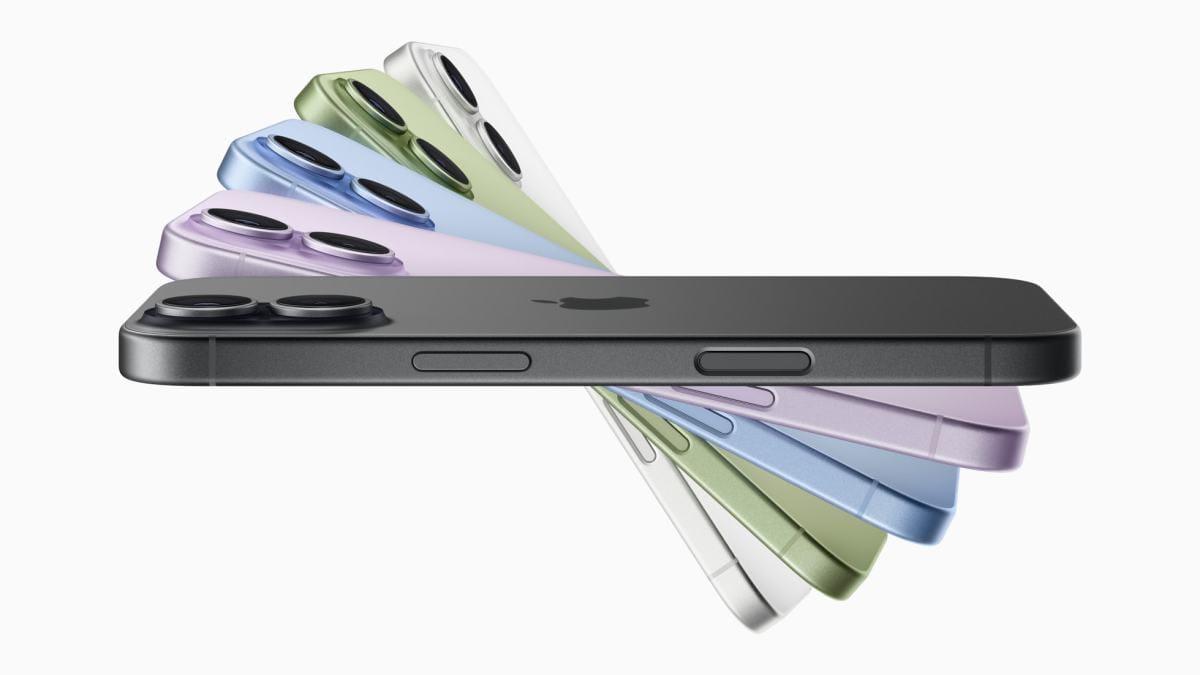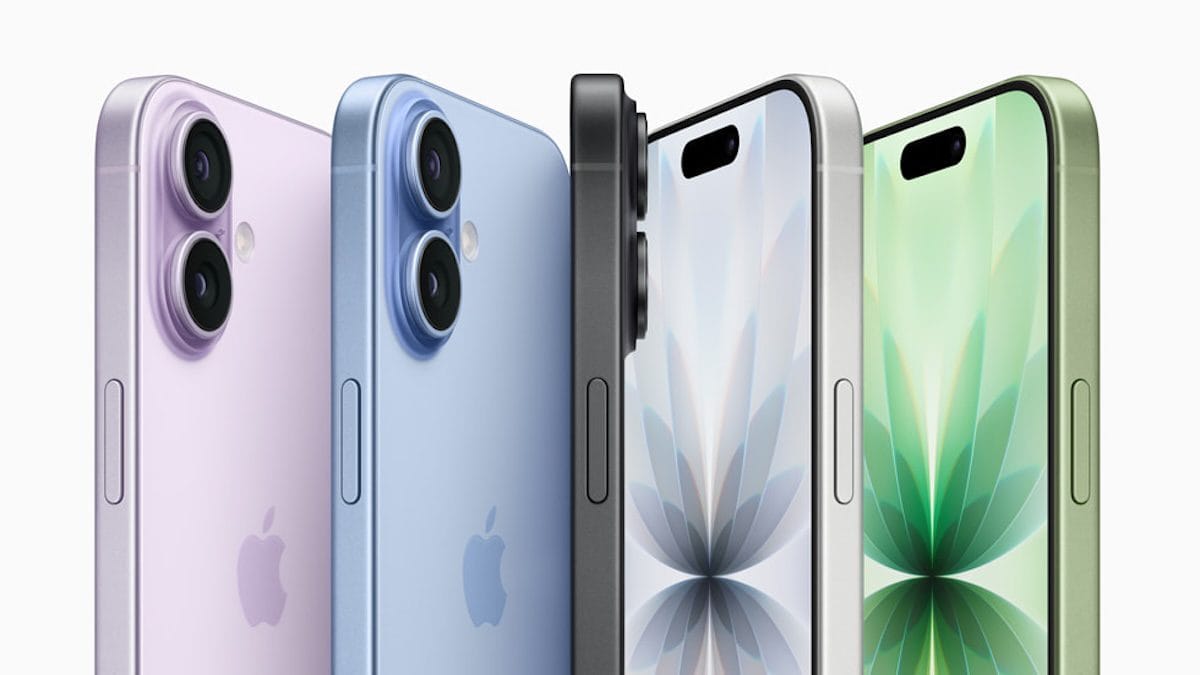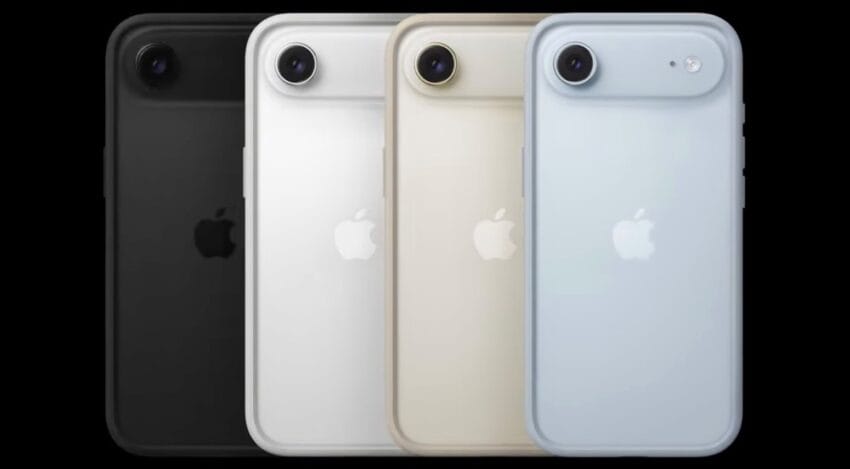
apple s new iphone 17 devices don Apple’s latest iPhone 17 lineup has sparked discussions, particularly regarding the absence of an AI-powered Siri, yet industry experts suggest this may not be a significant drawback.
apple s new iphone 17 devices don
Current State of AI Features in Apple Devices
Historically, Apple has been cautious in its approach to artificial intelligence, opting to implement features that enhance user experience without overwhelming consumers with complex AI capabilities. Until now, the company has primarily focused on what can be considered baseline AI functionalities. These include:
- AI Writing Tools: Tools designed to assist users in composing text, offering suggestions and corrections to improve clarity and coherence.
- Summarization: Features that condense lengthy articles or documents into digestible summaries, making it easier for users to grasp essential points quickly.
- Generative AI Images: While Apple has introduced features that allow users to create images using AI, feedback has been mixed, with some users expressing dissatisfaction with the quality of the generated images.
- Live Translation: This feature enables real-time translation of spoken language, facilitating smoother communication across language barriers.
- Visual Search: Users can search for information using images instead of text, enhancing the search experience.
- Genmoji: A feature that allows users to create personalized emojis, adding a fun and creative element to messaging.
These features, while useful, do not represent the cutting-edge AI capabilities that some competitors have begun to offer. Companies like Google and Microsoft have integrated more advanced AI functionalities into their products, raising questions about Apple’s strategy moving forward.
The Absence of AI-Powered Siri
The most notable absence in the iPhone 17 lineup is an AI-enhanced version of Siri. While Siri has been a staple of Apple’s ecosystem since its introduction, it has struggled to keep pace with advancements seen in other virtual assistants. The lack of an AI-powered Siri in the new devices has led to speculation about Apple’s commitment to enhancing its voice assistant.
Why the Delay?
Apple’s decision to hold off on introducing an AI-powered Siri could be attributed to several factors:
- Quality Over Quantity: Apple has a history of prioritizing the quality and reliability of its features over rapid deployment. The company may be taking its time to ensure that any new AI capabilities meet its high standards.
- Privacy Concerns: Apple has consistently emphasized user privacy, which may complicate the integration of more advanced AI features that require extensive data collection and processing.
- Focus on Hardware: The iPhone 17 series has introduced significant hardware upgrades, including improved cameras and processors. Apple may be channeling its resources into these areas rather than AI enhancements.
Market Reactions and Consumer Sentiment
The initial reactions to the iPhone 17’s lack of an AI-powered Siri have been mixed. Some consumers express disappointment, particularly those who have come to expect more from their devices in an era where AI capabilities are becoming increasingly common. Others, however, argue that the absence of an advanced Siri may not significantly impact the overall user experience.
Consumer Expectations
As AI technology continues to evolve, consumer expectations have shifted. Many users now anticipate that their devices will offer seamless, intelligent interactions. The absence of an AI-enhanced Siri may lead some to consider alternatives, particularly if they are already accustomed to using devices from competitors that feature more advanced AI assistants.
Industry Expert Opinions
Industry experts have weighed in on the implications of Apple’s decision. Some believe that the company is strategically positioning itself to avoid potential pitfalls associated with rushed AI implementations. Others argue that Apple risks falling behind if it does not accelerate its AI development efforts.
The Implications of Apple’s AI Strategy
Apple’s cautious approach to AI raises important questions about its long-term strategy. As competitors continue to innovate, the tech giant must find a balance between maintaining its brand identity and keeping pace with technological advancements.
Potential Risks
Failure to adapt to the evolving landscape of AI could pose several risks for Apple:
- Loss of Market Share: If consumers perceive that Apple is lagging in AI capabilities, they may turn to competitors that offer more advanced features.
- Brand Perception: Apple has built its reputation on innovation and quality. A failure to deliver on AI advancements could tarnish its image as a leader in technology.
- Customer Retention: Users who rely heavily on AI functionalities may seek alternatives, leading to decreased customer loyalty.
Opportunities for Growth
Despite these risks, Apple also has opportunities to leverage its existing strengths:
- Integration with Ecosystem: Apple can enhance its AI features by integrating them more deeply into its ecosystem, creating a seamless experience across devices.
- Focus on Privacy: By emphasizing privacy in its AI offerings, Apple can differentiate itself from competitors that may prioritize data collection over user security.
- Innovative Applications: Apple has the potential to develop unique AI applications that align with its brand values, focusing on creativity and user empowerment.
Looking Ahead: The Future of AI at Apple
As the tech landscape continues to evolve, the future of AI at Apple remains uncertain. The company has the resources and talent to make significant strides in this area, but it must navigate the complexities of user expectations, privacy concerns, and competitive pressures.
Potential Developments
While the iPhone 17 may not feature an AI-powered Siri, Apple could introduce enhancements in future iterations. Possible developments include:
- Enhanced Voice Recognition: Improvements in voice recognition technology could lead to a more responsive and intuitive Siri experience.
- Contextual Understanding: Future AI capabilities may focus on understanding user context better, allowing Siri to provide more relevant and timely responses.
- Integration with Third-Party Apps: Apple could explore partnerships with third-party developers to expand Siri’s functionality and improve its utility.
Conclusion
In summary, while the absence of an AI-powered Siri in the iPhone 17 lineup has raised eyebrows, it may not be as detrimental as some anticipate. Apple’s cautious approach to AI reflects its commitment to quality and user privacy. As the company continues to refine its AI strategy, it will be crucial to balance innovation with user expectations, ensuring that it remains a competitive player in the ever-evolving tech landscape.
Source: Original report
Was this helpful?
Last Modified: September 10, 2025 at 12:45 am
3 views