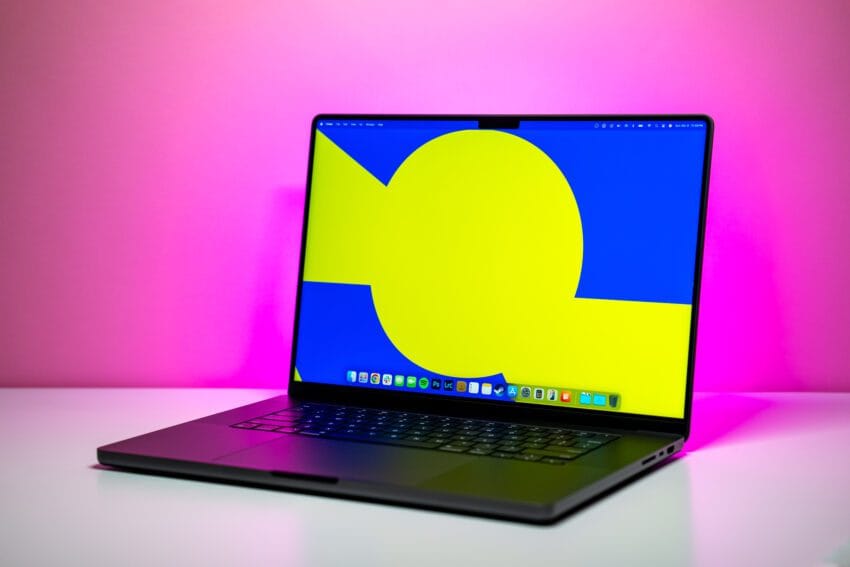
apple s future macbook pro might have Apple’s next generation of MacBook Pro laptops may introduce a significant shift in design by incorporating a touchscreen display, as indicated by supply chain analyst Ming-Chi Kuo.
apple s future macbook pro might have
Touchscreen Technology in MacBook Pro
According to Kuo, the anticipated change could apply to the OLED MacBook Pro models expected to begin production by late 2026. He reported on X that these new models will feature a “touch panel using on-cell touch technology.” This development marks a potential evolution in Apple’s laptop lineup, which has traditionally relied on a keyboard and trackpad interface.
Background on Touchscreen Integration
The idea of a touchscreen MacBook has been discussed for several years, with notable insights from Bloomberg’s Mark Gurman. Two years ago, Gurman suggested that Apple might launch its first touch-panel Mac in 2025 as part of a broader update to the MacBook Pro series. This speculation has gained traction, especially as Apple continues to innovate across its product lines.
In June, Gurman revisited the topic, stating that he expects future iPads and Macs to feature touch screens with vibrant OLED displays. He also mentioned that these devices would run the same applications and share similar user interfaces, further blurring the lines between Apple’s tablet and laptop offerings.
Implications of Touchscreen MacBooks
The introduction of touchscreen capabilities to the MacBook Pro could have several implications for users and the broader tech landscape. One of the most significant changes would be the way users interact with their devices. Touchscreens have become a standard in mobile devices, and many users are accustomed to the intuitive gestures and interactions they offer.
Enhancing User Experience
Apple’s decision to explore touchscreen technology appears to reflect a long-term observation of user behavior, particularly among iPad users. Kuo noted that adding touch controls could enhance productivity for MacBook users in “certain scenarios.” This suggests that Apple is not merely following a trend but is instead responding to user preferences and needs.
The potential for a touchscreen MacBook Pro could lead to a more versatile user experience. For instance, creative professionals who rely on design software could benefit from direct manipulation of their work through touch. Similarly, educators and students may find touchscreen interfaces more engaging and interactive for learning purposes.
Potential Features and Functionality
As the concept of a touchscreen MacBook Pro evolves, questions arise regarding the specific features and functionality that may accompany this new design. One intriguing possibility is the integration of Apple Pencil support. The Apple Pencil has been a game-changer for iPad users, providing precision and control for drawing, note-taking, and other creative tasks.
If future touchscreen MacBook Pro models were to adopt Apple Pencil support, it could open up new avenues for creativity and productivity. Users could sketch directly on their screens, annotate documents, or navigate applications with greater precision. However, whether Apple will take this step remains uncertain, as it may require significant adjustments to the MacBook’s design and functionality.
Market Reactions and Stakeholder Perspectives
The prospect of a touchscreen MacBook Pro has elicited varied reactions from stakeholders, including industry analysts, consumers, and competitors. Many industry experts view this potential shift as a logical progression for Apple, especially given the increasing convergence of devices in the tech landscape.
Consumer Expectations
For consumers, the anticipation of a touchscreen MacBook Pro is met with excitement and curiosity. Many users have expressed a desire for a more versatile device that combines the best features of both laptops and tablets. The integration of touchscreen technology could fulfill this demand, making the MacBook Pro a more appealing option for a broader audience.
However, some traditional MacBook users may be hesitant about the change. The MacBook Pro has long been celebrated for its keyboard and trackpad experience, which many professionals rely on for productivity. Concerns may arise regarding whether a touchscreen interface could compromise the efficiency and comfort that users have come to expect from their laptops.
Competitive Landscape
From a competitive standpoint, Apple’s move towards touchscreen technology could have implications for its rivals in the laptop market. Companies like Microsoft and Dell have already embraced touchscreen functionality in their devices, and Apple’s entry into this space could further intensify competition.
As Apple continues to innovate, competitors may feel pressured to enhance their own offerings, leading to a more dynamic and competitive market. This could ultimately benefit consumers, as companies strive to deliver better products and experiences in response to evolving user preferences.
Technological Considerations
The transition to touchscreen technology in the MacBook Pro will require careful consideration of various technological factors. One of the primary challenges will be ensuring that the touchscreen interface seamlessly integrates with macOS, Apple’s operating system. This integration is crucial for maintaining the performance and reliability that users expect from their devices.
Software Adaptations
Apple’s software development teams will need to adapt macOS to accommodate touch interactions while preserving the traditional keyboard and trackpad functionality. This dual approach will be essential for ensuring that users can switch between input methods without experiencing friction or confusion.
Moreover, developers will need to optimize applications for touchscreen use, which may involve redesigning user interfaces to be more touch-friendly. This could lead to a new wave of innovation in app development, as software creators explore the possibilities of a touchscreen MacBook Pro.
Hardware Considerations
In addition to software adaptations, the hardware design of the MacBook Pro will also need to evolve. The incorporation of a touchscreen display may necessitate changes to the device’s form factor, weight, and battery life. Apple has a reputation for producing sleek and lightweight devices, and any modifications must align with these design principles.
Furthermore, the introduction of a touchscreen could impact the MacBook Pro’s durability. Apple will need to ensure that the touchscreen is robust enough to withstand daily use while maintaining the high-quality standards that the brand is known for.
Conclusion
The potential introduction of a touchscreen display in future MacBook Pro models represents a significant shift in Apple’s approach to laptop design. As the company explores this new territory, it will need to balance user expectations, technological considerations, and market dynamics. The convergence of devices, as seen with the iPad, suggests that Apple is keen on creating a more integrated ecosystem that caters to the evolving needs of its users.
While the prospect of a touchscreen MacBook Pro is exciting, it also raises questions about the future of traditional laptop interfaces. As Apple continues to innovate, the tech community will be closely watching how these developments unfold and what they mean for the future of personal computing.
Source: Original report
Was this helpful?
Last Modified: September 17, 2025 at 4:37 pm
3 views