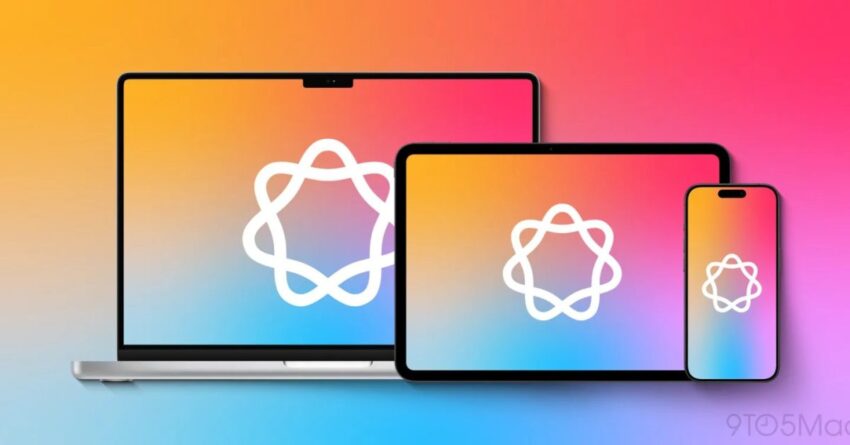
apple intelligence siri is over a year Apple’s long-awaited Siri update, powered by advanced artificial intelligence, has been significantly delayed, raising questions about the company’s approach to AI development.
apple intelligence siri is over a year
Background on Siri’s Evolution
Siri, Apple’s virtual assistant, was first introduced in 2011 and has undergone numerous updates since then. Initially, it was celebrated for its ability to perform basic tasks such as setting reminders, sending messages, and answering questions. However, as competitors like Amazon’s Alexa and Google Assistant have evolved, Siri has struggled to keep pace. The increasing sophistication of AI technology has set a high bar for virtual assistants, and many users have expressed frustration over Siri’s limitations.
In recent years, Apple has recognized the need to enhance Siri’s capabilities to remain competitive in the rapidly evolving AI landscape. The company has made significant investments in AI research and development, but the results have not yet materialized in a way that meets user expectations. The anticipated update, referred to as Apple Intelligence, was expected to bring a new level of functionality and intelligence to Siri, but its rollout has been delayed by over a year.
Reasons Behind the Delay
Challenges in AI Model Development
One of the primary reasons for the delay in the Apple Intelligence update is the company’s struggle to develop its own AI models. Unlike some competitors that have built extensive datasets to train their models, Apple has faced challenges due to its stringent privacy policies. Apple’s commitment to user privacy means that it collects less data than its competitors, making it difficult to train AI models effectively.
This focus on privacy is a double-edged sword. While it enhances user trust and security, it limits the amount of data available for training AI algorithms. As a result, Apple has had to navigate a complex landscape of balancing user privacy with the need for robust AI capabilities. This has led to a slower development process, as the company seeks to create AI models that align with its privacy standards.
Financial Considerations
Another contributing factor to the delay is Apple’s reluctance to invest heavily in AI development. While the company has the financial resources to make significant investments, it has historically been cautious about spending in this area. This hesitance may stem from a desire to ensure that any new technology aligns with Apple’s brand values and long-term vision.
Apple’s approach to AI has often been characterized by a focus on quality over quantity. The company has preferred to take its time to develop a product that meets its high standards rather than rushing to release something that may not resonate with users. This strategy, while commendable, has resulted in a longer wait for the anticipated Siri update.
Potential Benefits of the Delay
Despite the frustrations surrounding the delay of the Apple Intelligence update, there are potential benefits that could arise from this extended development period. These advantages may ultimately enhance the user experience and solidify Apple’s position in the AI landscape.
Improved Functionality
One of the most significant benefits of the delay is the opportunity for Apple to refine and enhance Siri’s functionality. With additional time for development, Apple can focus on creating a more intuitive and responsive virtual assistant. This could include improvements in natural language processing, contextual understanding, and the ability to handle complex queries.
By taking the time to address these issues, Apple can ensure that Siri is not only competitive with other virtual assistants but also offers unique features that set it apart. Users are likely to appreciate a more capable and intelligent assistant, which could lead to increased satisfaction and loyalty to the Apple ecosystem.
Integration with Other Apple Services
Another potential advantage of the delay is the opportunity for better integration with Apple’s existing services and products. As Apple continues to expand its ecosystem, a more advanced Siri could serve as a central hub for controlling various devices and services. This integration could enhance the overall user experience, making it easier for users to navigate their Apple devices and access information seamlessly.
For instance, an improved Siri could facilitate better interactions with HomeKit-enabled devices, allowing users to control their smart home environments more efficiently. Additionally, enhanced integration with Apple Music, Apple TV, and other services could provide users with a more cohesive experience across their devices.
Stakeholder Reactions
Consumer Sentiment
Consumer reactions to the delay have been mixed. Many users have expressed disappointment over the extended wait for the Apple Intelligence update, particularly as competitors continue to innovate and improve their virtual assistants. Some users have taken to social media to voice their frustrations, highlighting specific areas where they feel Siri falls short compared to alternatives.
However, there is also a segment of users who appreciate Apple’s commitment to privacy and quality. These consumers are willing to wait for a more robust and secure product, valuing the company’s dedication to user trust. This divide in consumer sentiment underscores the challenge Apple faces in balancing user expectations with its core values.
Industry Perspectives
Industry analysts have also weighed in on the delay, with many acknowledging the challenges Apple faces in the AI space. Some experts argue that the company’s focus on privacy could ultimately serve as a competitive advantage, as consumers increasingly prioritize data security in their technology choices. However, others caution that the delay could allow competitors to gain further ground, potentially diminishing Apple’s market share in the virtual assistant space.
As the AI landscape continues to evolve, analysts emphasize the importance of innovation and adaptability. Apple’s ability to respond to changing consumer needs and technological advancements will be crucial in determining the success of the Apple Intelligence update and Siri’s future.
Conclusion
The delay of the Apple Intelligence update for Siri has raised important questions about the company’s approach to AI development. While the challenges of developing robust AI models and the financial considerations have contributed to the extended timeline, there are potential benefits that could arise from this delay. Improved functionality, better integration with existing services, and a focus on user privacy could ultimately enhance the user experience and solidify Apple’s position in the competitive landscape of virtual assistants.
As consumers and industry stakeholders await the arrival of the Apple Intelligence update, it remains to be seen how Apple will navigate these challenges and capitalize on the opportunities presented by this delay. The future of Siri may depend on the company’s ability to strike the right balance between innovation, privacy, and user satisfaction.
Source: Original report
Was this helpful?
Last Modified: January 18, 2026 at 11:48 pm
0 views